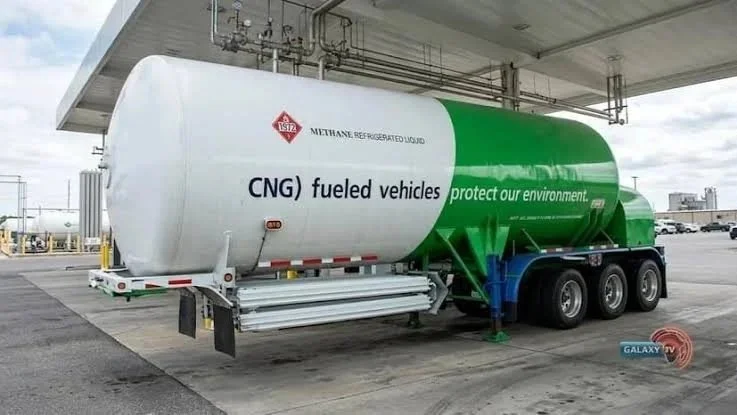
The Federal Government plans to increase Nigeria’s CNG-enabled vehicle population from 143,000 to 273,000 by February 2027
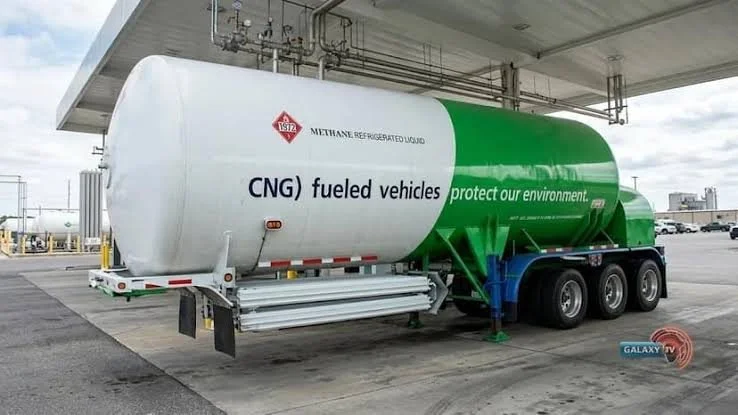
The Federal Government is targeting a 91 per cent increase in Nigeria’s compressed natural gas (CNG)-enabled vehicle population, from 143,000 to 273,000 by February 2027, as it pushes to expand the use of gas as an alternative transport fuel.
/ You Might Also Like /




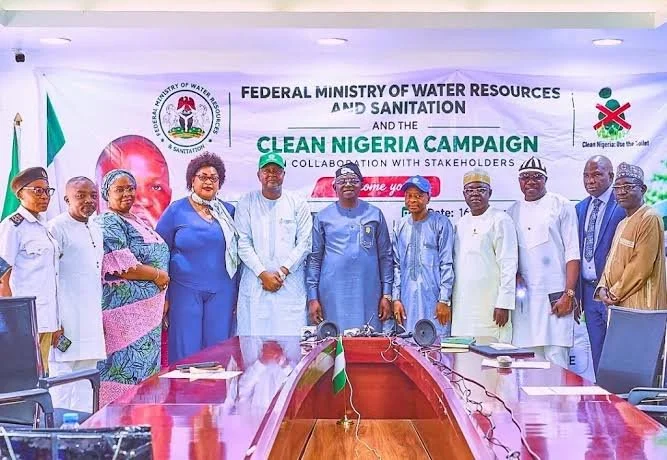
Tari Mayor-Bright, Head of Gas Supply Integration at the Presidential Initiative on Compressed Natural Gas and Electric Vehicles (Pi-CNG & EV), announced the target on Monday, November 16, at a regional town hall and stakeholders’ dialogue in Abuja. She said the programme had expanded vehicle conversions and attracted more private-sector investment since its launch in 2023, but warned that conversion costs and gaps in fuel supply could slow further growth.
The target requires the programme to facilitate an additional 130,000 CNG-enabled vehicles within roughly five months, making the availability of conversion services, affordable equipment and reliable refuelling infrastructure central to its delivery.
CNG vehicle conversions rise from 11,500 to 143,000
Mayor-Bright said the number of vehicles converted to run on CNG increased from about 11,500 in 2023 to 143,000 by September 2026.
The programme has also expanded the network of facilities supporting vehicle conversions. The number of conversion centres rose from approximately seven in 2023 to 415 by September 2026, while CNG refuelling stations increased from seven to 116 over the same period.
Private-sector investment in the programme's value chain also grew from $500 million in 2023 to more than $2.6 billion in 2026, according to Mayor-Bright.
The expansion reflects growing commercial participation in vehicle conversions, refuelling infrastructure and related services. However, the government still needs to ensure that investment translates into accessible facilities and dependable gas supplies across different parts of the country.
FG identifies conversion costs and gas supply gaps as obstacles
Despite the reported growth, Mayor-Bright identified several challenges that could affect the February 2027 target.
The cost of converting vehicles remains a major barrier for motorists, particularly commercial transport operators who may consider switching from petrol or diesel but lack the upfront funds for conversion.
She also cited increased electoral activities and difficulties tracking private-sector conversion figures as factors that could affect implementation and the programme's ability to measure progress accurately.
More importantly, she called for additional investment in CNG infrastructure and measures to close gas supply gaps. Increasing the number of converted vehicles without expanding refuelling capacity could limit the practical benefits of the programme and discourage motorists from adopting the alternative fuel.
The government therefore faces a two-sided challenge: making vehicle conversion more affordable while ensuring that motorists can access CNG conveniently after installation.
Independent marketers seek role in expanding CNG infrastructure
The National President of the Independent Petroleum Marketers Association of Nigeria (IPMAN), Abubakar Shettima, called for stronger collaboration between the association and Pi-CNG & EV to expand refuelling facilities and improve nationwide availability.
Shettima said independent petroleum marketers could use their extensive retail network to support the rollout of CNG stations, particularly in underserved communities. He disclosed that some association members had begun making arrangements to invest in CNG facilities.
Greater participation by independent marketers could help extend the network beyond major urban centres, where access to alternative-fuel infrastructure remains a concern. However, the pace of expansion will depend on investment, licensing, gas supply arrangements and the commercial viability of individual facilities.
Governors' Forum stresses safety and regulatory coordination
Obiora Nnaji, Executive Director of Finance and Administration at the Nigeria Governors’ Forum (NGF), emphasised the need for strict safety standards in vehicle conversions.
He called for qualified technicians to carry out installations and proposed a reliable identification system to help motorists and members of the public verify whether vehicles had undergone approved conversions. Certification documents or identification stickers could provide a way to distinguish vehicles converted at accredited centres.
Nnaji also said the NGF was working with the Nigerian Midstream and Downstream Petroleum Regulatory Authority (NMDPRA) to address regulatory and administrative challenges facing investors, including difficulties obtaining licences, permits and rights of way from state authorities.
The collaboration is intended to provide investors with a channel to escalate issues requiring intervention by state governments. Nnaji said state authorities recognised the potential of CNG infrastructure to reduce transport costs and improve access to alternative energy.
Infrastructure expansion will determine the programme's reach
The Federal Government's February 2027 target represents a significant expansion of its alternative-fuel programme, but the number of converted vehicles alone will not determine its success.
Motorists need convenient access to refuelling stations, reliable gas supplies and qualified conversion centres. Without these supporting facilities, a growing CNG vehicle population may not translate into widespread adoption or consistent savings for transport operators.
The expansion also creates investment opportunities across gas distribution, vehicle conversion, equipment supply, refuelling stations and technical services. For investors, the programme's commercial prospects will depend on sustained demand, infrastructure availability, regulatory clarity and the ability to supply gas reliably.
Nigeria's progress from 11,500 converted vehicles in 2023 to 143,000 by September 2026 indicates growing adoption. However, achieving 273,000 by February 2027 will require the government and private-sector participants to address affordability, infrastructure and supply constraints at the same time.
READ MORE