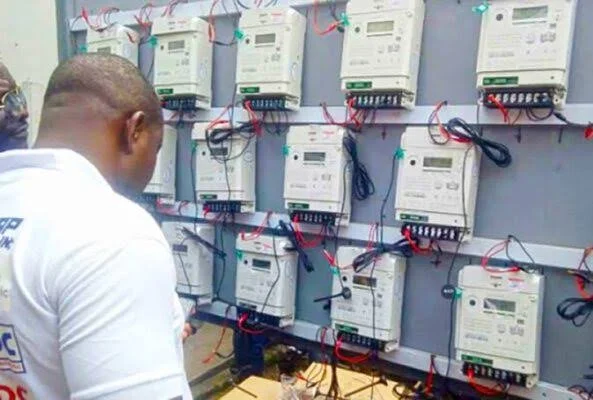
The Nigerian Electricity Regulatory Commission (NERC) has approved ₦30 billion for the third tranche of its Meter Acquisition Fund (MAF), targeting free electricity meter installations for unmetered Band A customers and faster metering of Band B consumers.
/ You Might Also Like /




The approval, contained in Order No. NERC/2026/121 on the Operationalisation of Tranche C of the MAF, took effect on November 2, 2026. It forms part of the Presidential Metering Initiative, which seeks to reduce Nigeria’s metering deficit, improve electricity billing and strengthen service delivery.
The fund will be distributed among the country’s 11 electricity distribution companies (DisCos) according to their respective contributions to the scheme. NERC also directed that installations should be distributed equitably across states within the companies’ franchise areas.
The latest approval extends the regulator’s efforts to reduce the number of electricity consumers without meters and limit reliance on estimated billing.
NERC sets procurement rules for meter suppliers
Under the new directive, DisCos must conduct transparent procurement processes involving eligible Local Meter Manufacturers and Assemblers (LMMAs) and Meter Asset Providers (MAPs) with verified meter stocks.
NERC has also established maximum procurement prices based on median national MAP online bid prices recorded during the September 2026 bidding cycle.
The payment structure links suppliers’ payments to delivery and installation milestones. Selected meter providers will receive 70 per cent of their contract payments after verification of delivered meter stocks, while the remaining 30 per cent will be released after the commission confirms that installation has been completed.
All meters supplied under the programme must be installed at no cost to electricity customers. Each meter must also display the name of the relevant DisCo, the applicable MAF tranche and the inscription “NOT FOR SALE”.
The order further requires DisCos to bear the cost whenever they initiate the relocation of an existing customer's connection point for revenue protection purposes.
DisCos face stricter installation and reporting obligations
The commission has introduced monitoring and accountability requirements covering the fund manager, distribution companies and participating meter providers.
All supply and installation contracts must be submitted to NERC, while participating entities must comply with reporting, monitoring and evaluation procedures.
The regulator also provided for sanctions where a distribution company's failure or default prevents or delays meter installation.
All installations under Tranche C must be completed by May 31, 2027. The deadline places pressure on DisCos and meter suppliers to complete procurement, delivery and installation within the prescribed period.
New funding builds on previous metering interventions
The ₦30 billion approval follows earlier interventions under the Meter Acquisition Fund aimed at expanding prepaid meter coverage.
In October 2025, NERC approved ₦28 billion for the second tranche of the programme, targeting outstanding unmetered Band A customers and accelerating installations for Band B consumers.
The regulator also directed distribution companies in March 2026 to reimburse ₦20.33 billion to customers who had previously purchased meters under the Meter Asset Provider framework.
These interventions form part of a wider effort to address Nigeria's persistent metering gap and improve transparency in electricity billing.
Metering remains critical to electricity market reform
Expanding meter coverage is important to the financial sustainability of Nigeria's electricity market. Accurate metering allows consumers to pay for recorded electricity consumption rather than rely on estimated bills, while helping distribution companies improve revenue collection and reduce billing disputes.
For households and businesses, access to meters can improve billing transparency and provide greater visibility over electricity consumption. However, the benefits will depend on reliable installations, functional equipment and the ability of distribution companies to provide electricity services that justify the tariffs customers pay.
The programme also creates demand for local meter manufacturers, assemblers and approved service providers. NERC's procurement requirements could support domestic participation in the electricity supply chain, although the extent of that benefit will depend on supplier capacity and compliance with the regulator's standards.
The success of the third tranche will ultimately depend on whether the ₦30 billion translates into completed installations across the targeted customer categories before the May 2027 deadline. Effective monitoring will also be necessary to ensure that the free-meter commitment reaches eligible consumers without unauthorised charges.
READ MORE