Temperatures to Hit 37.7°C as NiMet Warns of November Heat Discomfort
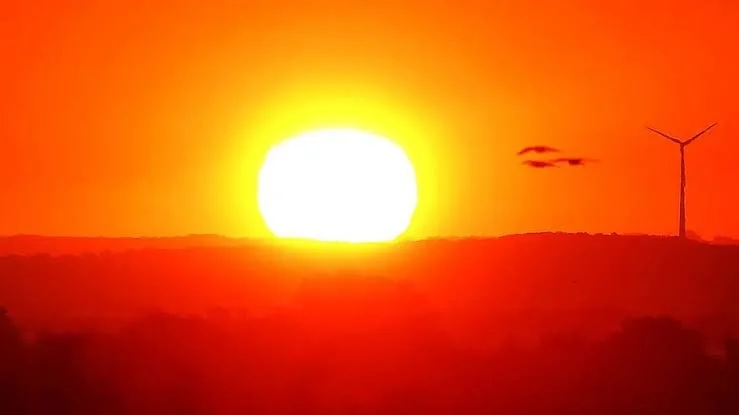
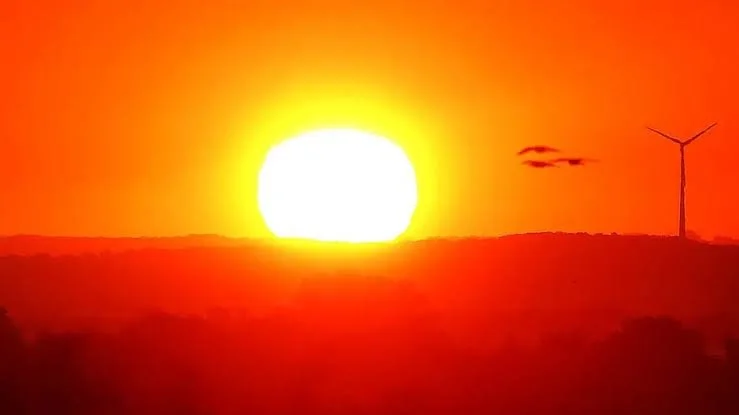
Nigeria is expected to experience increasing heat discomfort in November as temperatures rise and rainfall declines across much of the country, according to the Nigerian Meteorological Agency’s (NiMet) November 2026 Weather Outlook.
/ You Might Also Like /




The agency projected maximum temperatures of between 28.6°C and 37.7°C across the country, while minimum temperatures could range from 14.6°C to 25.8°C. It warned that the combination of high temperatures and humidity could make conditions particularly uncomfortable in parts of the North-Central and Southern regions.
Although rainfall is expected to decline in most areas as the country moves further into the dry season, coastal communities are likely to continue receiving some precipitation.
The forecast has implications for households, businesses, farmers and urban authorities, particularly as rising temperatures increase the importance of reliable water supplies, adequate ventilation and climate-responsive infrastructure.
North-Central and Southern regions face increased heat discomfort
NiMet forecast rainfall amounts ranging from 2.2mm to 217.7mm during November, with coastal areas expected to record higher volumes despite the general reduction in precipitation.
The agency attributed the anticipated discomfort to the combined effects of rising temperatures and humidity. This means that residents in some areas may experience conditions that feel hotter than temperature readings alone suggest.
The gradual transition towards drier conditions also raises concerns about water availability and the ability of households and businesses to manage higher cooling requirements.
For urban centres with dense development and limited green spaces, prolonged heat can place additional pressure on buildings, electricity supply and public infrastructure.
Farmers receive harvesting and irrigation advisories
NiMet advised farmers to take advantage of prevailing dry conditions for harvesting, drying and storing agricultural produce.
It also urged dry-season farmers to make adequate irrigation arrangements as rainfall reduces. The recommendations are particularly relevant to agricultural operations that depend on consistent water supplies to maintain production during the dry season.
The agency's outlook highlights the importance of weather information in agricultural planning, especially for farmers making decisions about harvesting schedules, storage and irrigation.
Residents urged to prepare for higher temperatures
The agency advised Nigerians to remain hydrated, avoid prolonged exposure to direct sunlight and maintain good ventilation in their homes and workplaces.
It also called for continued malaria vigilance, particularly across Southern Nigeria, alongside proper environmental sanitation.
These recommendations have implications for housing design and urban development. Buildings with adequate cross-ventilation, appropriate shading and suitable roof insulation can help reduce indoor heat exposure and dependence on mechanical cooling.
For developers, the forecast reinforces the need to consider thermal comfort when designing residential and commercial buildings. Features such as window placement, building orientation, shading, ventilation and heat-resistant roofing materials can influence how buildings perform during periods of high temperatures.
Urban planning also matters. Green spaces, tree cover and well-designed public areas can contribute to more comfortable neighbourhood environments, while dense development with limited vegetation can intensify heat exposure.
Rising global temperatures add to climate concerns
NiMet's November outlook comes amid wider concerns about global temperature increases and changing climate patterns.
The World Meteorological Organisation (WMO) warned that 2027 could become another record-breaking year for global temperatures as a developing El Niño phenomenon intensifies.
In its State of the Climate Update 2026, released on November 9, the organisation projected that the developing El Niño could become the strongest on record by December, with its warming effects likely to be felt most strongly in 2027.
The WMO also reported that 2026 was on course to rank among the four warmest years on record, with the global average surface temperature between January and September approximately 1.47°C above pre-industrial levels.
The organisation noted that El Niño typically adds between 0.1°C and 0.2°C to annual global average temperatures, with its strongest influence often occurring in the year after it develops.
For Nigeria's built environment, the changing climate reinforces the need to integrate heat resilience into housing standards, building regulations and urban development policies.
As temperatures rise, housing quality will increasingly depend not only on structural safety and affordability but also on whether buildings can provide comfortable indoor conditions without imposing excessive energy costs on occupants.
READ MORE