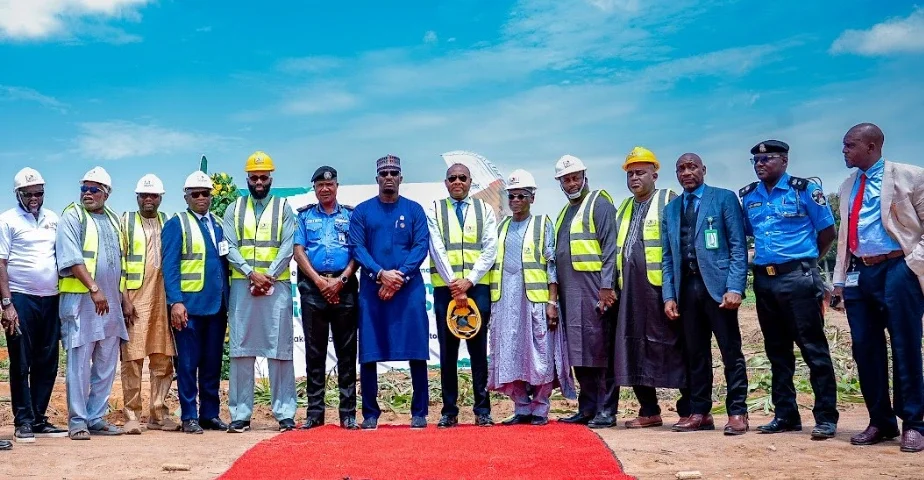
Officials break ground on a 257-unit affordable housing estate for police officers in Masaka, Nasarawa State
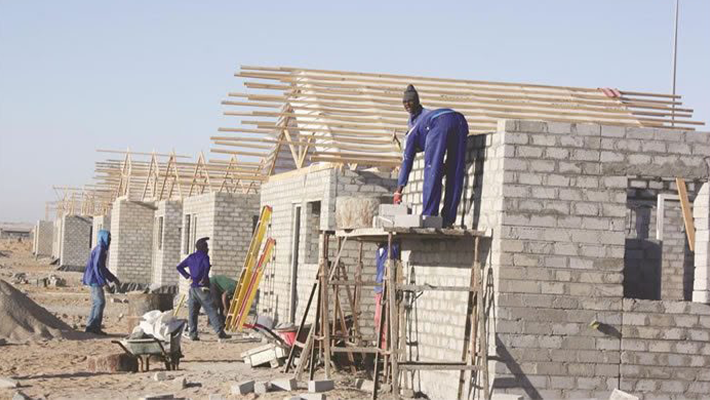
Family Homes Funds Limited (FHFL) and the Nigeria Police Trust Fund (NPTF) have commenced construction of a 257-unit affordable housing estate for police officers and their families in Masaka, Nasarawa State, with completion expected within nine months.
The groundbreaking ceremony, held on 14 October 2026, marks a new phase in the organisations’ efforts to improve access to homeownership for serving police personnel. The estate will comprise two- and three-bedroom homes, with construction starting with 50 units.
/ You Might Also Like /




The project combines institutional support, private-sector construction expertise and mortgage financing intended to help eligible officers spread the cost of homeownership over time.
FHFL Managing Director and Chief Executive Officer Abdul-Mutallab Mukhtar said the development was designed to provide police personnel with access to decent and affordable homes while recognising their public service.
H2: First Phase Begins With 50 Housing Units
The Masaka development will deliver 257 homes when completed, with the initial construction phase covering 50 units.
The nine-month delivery target places emphasis on timely execution, although the project's ultimate impact will depend on whether the partners meet the schedule, maintain construction standards and make the completed homes affordable to intended beneficiaries.
The development will provide two- and three-bedroom accommodation, giving eligible police officers and their families options suited to different household needs.
For the housing market, the project represents a targeted delivery model in which a defined group of beneficiaries receives access to homes through an institutional partnership rather than relying solely on the open market.
H2: Mortgage Financing to Support Homeownership
Beyond construction, FHFL will work with participating primary mortgage lenders to provide affordable mortgage options for eligible police officers.
The financing arrangement is important because access to a completed home does not automatically translate into homeownership. Many households face difficulty paying the full purchase price upfront, making suitable long-term financing essential.
Mortgage options could allow eligible officers to spread housing payments over time instead of relying entirely on personal savings. However, the practical affordability of the scheme will depend on mortgage rates, repayment periods, eligibility criteria, required deposits and officers' income levels.
The partners have not established in the available announcement the precise mortgage rates, loan terms or individual purchase prices for the Masaka units.
These details will be important in determining how many officers can participate and whether the programme can offer a replicable approach to affordable homeownership.
H2: Public and Private Partners Share Delivery Responsibilities
The project brings together government institutions and private-sector companies with different responsibilities.
FHFL will facilitate construction, while the Nigeria Police Trust Fund will provide infrastructure support for the estate. Bricks International Concepts Limited will develop the housing units, while FAM Property Development and Investment Limited will undertake infrastructure works.
This structure combines institutional backing with private-sector delivery capacity. It also separates housing construction from infrastructure provision, both of which are essential to making an estate functional.
Road access, utilities and other supporting facilities influence whether completed homes provide suitable living conditions. Delays or shortcomings in infrastructure can undermine the value of an otherwise completed residential development.
The partners will therefore need to coordinate construction and infrastructure delivery to ensure that the estate is ready for occupation within the intended timeframe.
H2: Housing Programme Could Expand Beyond Nasarawa
The Masaka estate forms part of a broader housing programme being pursued by FHFL and the NPTF for police personnel across Nigeria.
Under the first phase of the programme, the organisations are also working towards housing developments in Ogun and Kaduna states, with plans to extend the initiative to additional locations across the country's geopolitical zones.
The wider programme could create a structured pipeline of housing projects for police officers and their families. However, future delivery will depend on funding availability, land and infrastructure provision, construction capacity and the ability to offer mortgages that beneficiaries can afford.
Expansion would also require consistent standards across locations to ensure that housing quality, pricing and financing arrangements meet the needs of officers in different parts of the country.
H2: Implications for Nigeria's Affordable Housing Market
The project illustrates how targeted housing programmes can combine institutional funding, private-sector construction and mortgage finance to address specific homeownership needs.
For developers, such arrangements can provide a defined group of prospective buyers and a clearer framework for project delivery. For mortgage lenders, the programme offers an opportunity to support eligible borrowers through structured home-financing arrangements.
Construction activity can also generate demand for building materials, skilled labour, transport and related services. The scale of these economic benefits will depend on the project's implementation and the extent of local sourcing.
However, a 257-unit estate will make only a limited contribution to Nigeria's wider housing shortage. Its broader significance lies in whether the partners can deliver the homes on time, maintain affordability and reproduce the model at a larger scale.
The mortgage component is particularly important. Without financing aligned with beneficiaries' incomes, completed units may remain beyond the reach of the people the programme intends to serve.
H2: Outlook for Police Housing Delivery
The Masaka project adds to efforts to improve housing access for police personnel through a combination of institutional support, private-sector delivery and mortgage financing.
Its success will depend on more than completing 257 houses. The partners must also ensure that the infrastructure is functional, the homes meet agreed standards and eligible officers can obtain mortgages with manageable repayment obligations.
The nine-month target provides a clear benchmark for delivery, while the planned expansion into Ogun, Kaduna and other locations could establish a wider programme if the first phase performs as intended.
For Nigeria's housing sector, the central question is whether this partnership can move beyond individual projects to create a repeatable model that delivers affordable homes and accessible financing to more households.
READ MORE