Marketers Reject Dollar-Denominated Fuel Pricing, Warn of Forex Pressure
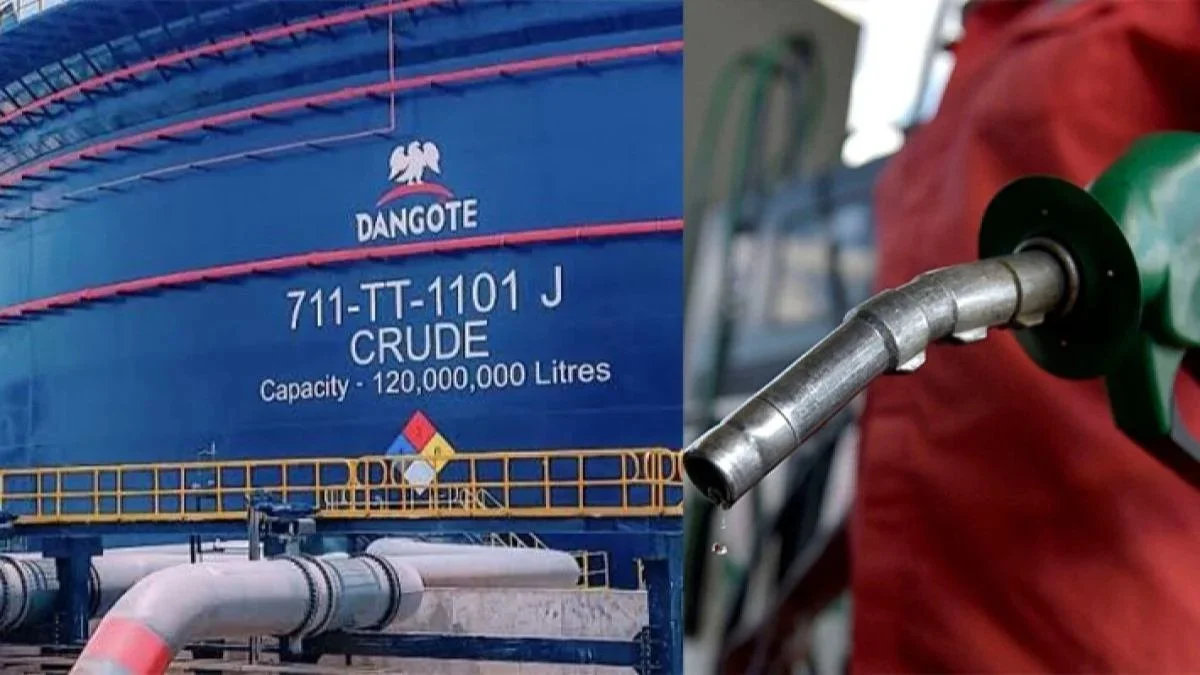
Petrol Pricing in Dollars Sparks Opposition from Marketers
Independent petroleum marketers and energy stakeholders have opposed Dangote Petroleum Refinery's decision to price petroleum products in U.S. dollars for domestic buyers, warning that the move could intensify pressure on Nigeria's foreign exchange market, increase fuel distribution costs and create fresh challenges across the downstream petroleum sector. The concerns follow the refinery's introduction of a dollar-based pricing template for petrol, diesel and aviation fuel, citing rising costs of crude procurement and constraints in accessing crude under the government's naira-for-crude arrangement.
/ You Might Also Like /




The refinery recently announced an ex-depot petrol price of $0.779 per litre, replacing naira-denominated pricing for local marketers. Company officials said the change became necessary because the refinery purchases a significant portion of its crude oil in U.S. dollars while previously selling refined products in naira, creating a currency mismatch that was no longer sustainable.
Marketers Warn of Foreign Exchange Pressure
Industry groups, including independent petroleum marketers, argued that requiring marketers to source U.S. dollars to purchase fuel would increase pressure on Nigeria's already constrained foreign exchange market.
According to marketers, most downstream operators generate revenue exclusively in naira, making it difficult to obtain sufficient foreign currency for routine fuel purchases. They warned that additional demand for dollars could increase operating costs, reduce competition among marketers and ultimately translate into higher pump prices for consumers.
Stakeholders also expressed concern that smaller independent marketers could face greater financial strain than larger operators with easier access to foreign exchange, potentially affecting fuel distribution across parts of the country.
Dangote Cites Crude Supply Challenges
Dangote Petroleum Refinery maintained that the pricing adjustment reflects commercial realities rather than a change in business strategy.
The company explained that limited crude supplies under the government's naira-for-crude initiative have forced it to import a significant share of its crude oil at international market prices denominated in U.S. dollars. Continuing to sell refined products in naira while purchasing crude in dollars had resulted in exchange-rate losses that the refinery said were no longer sustainable.
Reuters reported that although crude allocations under the naira-for-crude programme have increased, the refinery still receives fewer cargoes than required to operate at optimal capacity, necessitating additional imports.
Potential Impact on the Economy
Analysts note that any sustained shift toward dollar-denominated domestic fuel transactions could have wider implications for Nigeria's economy.
Greater demand for foreign currency by fuel marketers could increase pressure on the naira and influence domestic fuel prices, particularly if exchange rate volatility persists. Since fuel costs affect transportation, manufacturing, logistics and agriculture, higher prices could also contribute to inflationary pressures across multiple sectors.
The downstream petroleum sector has undergone significant changes since the deregulation of fuel pricing, with market participants increasingly exposed to fluctuations in international crude oil prices and exchange rates.
Implications for Housing and Construction
For Nigeria's housing and real estate sector, changes in fuel pricing have direct cost implications. Diesel powers construction equipment, generators and haulage operations, while petrol influences transportation costs for labour and building materials.
Higher fuel costs can increase the cost of cement, steel, finishing materials and logistics, placing additional pressure on developers already dealing with elevated borrowing costs and inflation. Developers may ultimately pass these higher input costs to homebuyers, affecting housing affordability and project viability.
Infrastructure projects could also experience higher operational costs if fuel prices continue to reflect movements in global oil markets and exchange rates.
Outlook
The disagreement over dollar-denominated fuel pricing highlights broader structural challenges in Nigeria's downstream petroleum sector, particularly around crude supply, foreign exchange availability and market stability.
While Dangote Refinery argues that the pricing model reflects commercial realities, marketers maintain that domestic fuel transactions should remain naira-based to avoid additional pressure on the foreign exchange market. The outcome of ongoing discussions between industry participants and policymakers could influence fuel pricing, inflation and investment conditions across key sectors of the Nigerian economy, including construction, infrastructure and real estate.
READ MORE