Lagos Intensifies Tree Planting Drive to Build Climate-Resilient Communities
Tree Planting Campaign Gains Momentum as Lagos Targets 20,000 Trees
Lagos State has intensified its urban greening efforts with a renewed call for residents to plant and nurture trees as part of a broader strategy to combat climate change, reduce flood risks and build more resilient communities. The initiative, unveiled during the 2026 Lagos State Tree Planting Day celebration, forms part of the state's long-term commitment to environmental sustainability and sustainable urban development.
/ You Might Also Like /




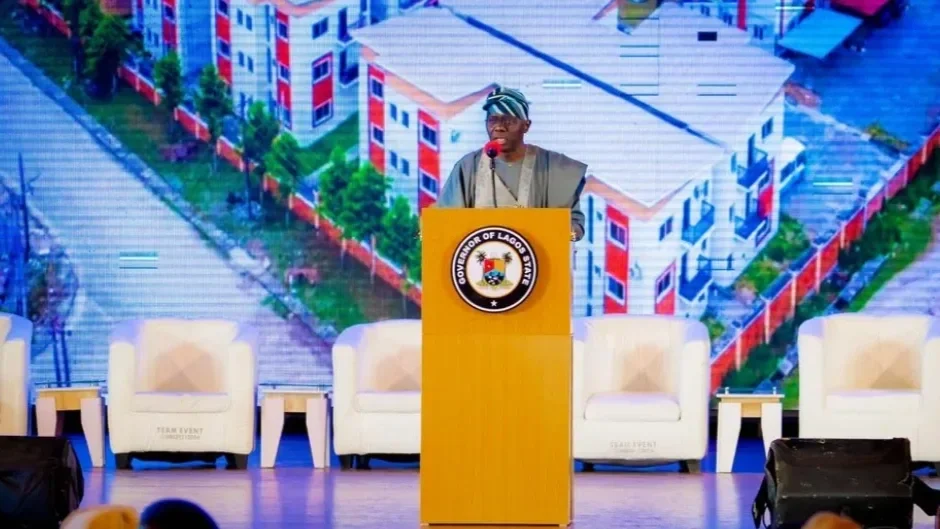
Governor Babajide Sanwo-Olu said the campaign extends beyond planting trees to ensuring their survival, stressing that healthy urban forests are essential for improving air quality, reducing heat, mitigating flooding and creating healthier neighbourhoods.
State Targets 20,000 Trees in 2026
According to the governor, Lagos aims to plant 20,000 trees during the 2026 planting season. As of June 30, 13,401 trees, representing about 67% of the annual target, had already been planted across the state's five administrative divisions, with the planting exercise continuing throughout the rainy season until October.
The governor also announced the commencement of a new planting campaign across all 57 Local Government Areas (LGAs) and Local Council Development Areas (LCDAs), directing council chairmen to serve as "Tree Custodians" responsible for protecting and monitoring newly planted trees within their jurisdictions.
Trees Central to Climate Adaptation
Speaking through the Secretary to the State Government, Abimbola Salu-Hundeyin, Governor Sanwo-Olu described tree planting as one of Lagos State's key nature-based solutions for addressing climate change and environmental degradation.
He noted that trees play a critical role in lowering urban temperatures, improving air quality, conserving biodiversity and reducing flood risks—environmental benefits that are becoming increasingly important as Lagos experiences rapid urbanisation and changing climate conditions.
The governor also reminded residents that anyone who unlawfully fells a tree is required under Lagos State law to replace it with five others, reinforcing the state's commitment to environmental protection.
LASPARK to Drive Community Participation
The Lagos State Parks and Gardens Agency (LASPARK) will continue to coordinate the statewide greening programme by providing free tree seedlings through its nurseries in Ikorodu and Agege.
As part of the campaign, the state recognised outstanding contributors to environmental sustainability by unveiling its Lagos Tree Champions, while encouraging households, schools, businesses and community organisations to participate actively in expanding the state's green cover.
Commissioner for the Environment and Water Resources Tokunbo Wahab described the annual exercise as a strategic environmental intervention aimed at addressing rising temperatures, flooding, biodiversity loss and other climate-related challenges through practical, nature-based solutions.
Why It Matters for Housing and Urban Development
The tree planting initiative has important implications for housing and urban planning. Green infrastructure has become an increasingly important component of sustainable residential development, helping to improve neighbourhood livability, moderate urban heat and strengthen resilience against extreme weather events.
For rapidly expanding cities such as Lagos, integrating trees, parks and landscaped public spaces into residential developments can enhance environmental quality while supporting healthier and more attractive communities. Developers are also increasingly incorporating green infrastructure into housing projects to meet growing demand for sustainable living environments.
The initiative complements Lagos State's broader urban renewal and environmental sustainability agenda, which seeks to balance economic growth with climate adaptation and improved quality of life.
Outlook
Lagos State's expanded tree planting campaign underscores the growing role of green infrastructure in urban planning and climate adaptation. By targeting 20,000 trees this year and strengthening community participation through local councils and LASPARK, the state aims to build a more resilient urban environment capable of addressing the environmental pressures associated with rapid urbanisation.
For the housing sector, the initiative reinforces the importance of integrating environmental sustainability into future residential developments, urban renewal projects and long-term city planning.
READ MORE