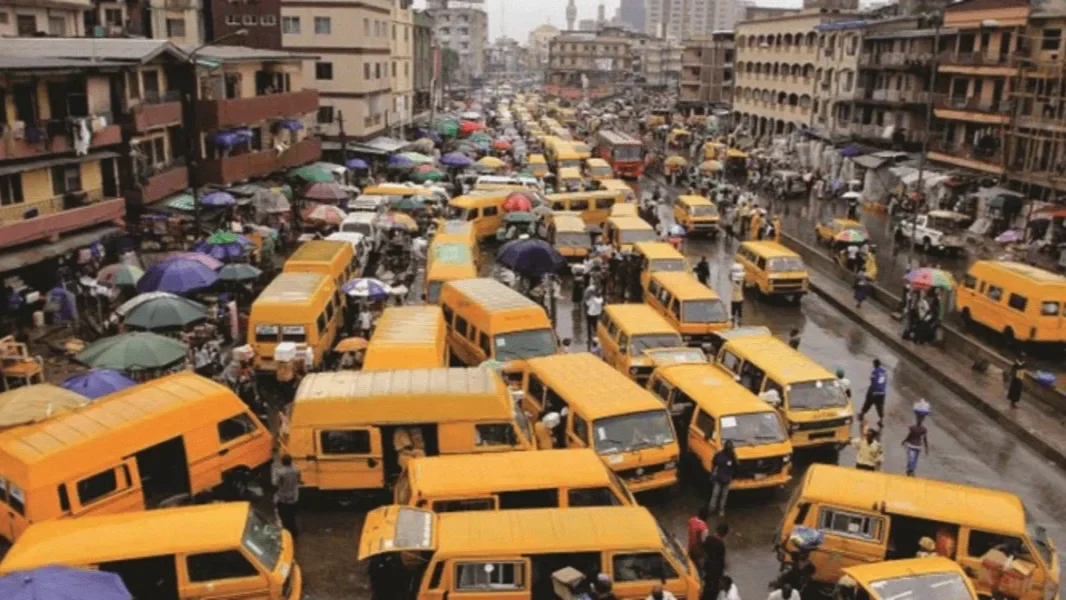
Luanda is projected to become Sub-Saharan Africa’s most populous city by 2050
Angola’s capital, Luanda, could overtake Lagos as Sub-Saharan Africa’s most populous city by 2050, as its population is projected to grow by 78% over the next 25 years, according to a new World Bank report.
The report, Sub-Saharan Africa’s Urban Awakening: Catalyzing Economic Growth and Job Creation, estimates that Luanda’s population will increase from 11.4 million in 2025 to 20.3 million in 2050. Lagos, which currently leads the regional ranking, is projected to grow from 12.8 million to 16.2 million over the same period.
/ You Might Also Like /




The projections highlight the changing scale of urbanisation across Sub-Saharan Africa and the growing pressure on governments to expand housing supply, infrastructure, transport networks and employment opportunities.
Luanda’s Population Growth Expected to Outpace Lagos
The World Bank projects that Luanda will add approximately 8.9 million residents between 2025 and 2050, more than twice the 3.4 million additional residents expected in Lagos.
While Lagos will experience population growth of more than 25%, Luanda’s projected increase of 78% is expected to move Angola’s capital into first place among the region’s largest cities.
The projections are based on calculations by the World Bank and the European Commission’s Joint Research Centre, using population data from Schiavina and other researchers.
Despite the change in ranking, Lagos will remain one of Africa’s major urban centres, with an estimated 16.2 million residents by 2050. Its expanding population will continue to increase demand for residential properties, commercial space, transport infrastructure and essential public services.
Nigerian Cities Also Face Significant Population Growth
The report identifies other Nigerian cities expected to experience substantial population increases, particularly Onitsha and Kano.
Onitsha’s population is projected to rise from 5.6 million in 2025 to 8.7 million by 2050, representing an increase of approximately 55%. The city is expected to remain among Sub-Saharan Africa’s 15 most populous urban centres, ranking ninth by 2050.
Kano’s population is projected to increase from 4.8 million to approximately 6.3 million, a rise of 31%. However, despite this growth, the city is expected to fall outside the region’s 15 largest cities by 2050.
These projections indicate that Nigeria’s urban expansion will extend beyond Lagos, creating growing demand for housing, land, infrastructure and urban services in other commercial and population centres.
For property developers and investors, the projected growth of Onitsha and other emerging urban centres could create opportunities in residential development, commercial real estate and supporting infrastructure. However, the scale of these opportunities will depend on income growth, infrastructure provision and the ability of local economies to support additional development.
Sub-Saharan Africa’s Urban Population Could Reach 1.7 Billion
The report estimates that Sub-Saharan Africa’s urban population increased from approximately 170 million in 1975 to 913 million in 2025. It projects that another 748 million people will live in the region’s urban areas by 2050, bringing the total to approximately 1.7 billion.
This expansion will significantly increase pressure on cities to provide housing, transport, water, electricity, sanitation and other essential services.
The World Bank warns that population growth alone will not guarantee higher living standards or stronger economic performance. Cities must generate sufficient employment and improve labour productivity to ensure that expanding populations translate into higher incomes and economic opportunities.
The report estimates that Sub-Saharan Africa needs approximately 15 million new jobs annually to keep pace with its growing young workforce.
It also highlights the gap between urban population growth and economic productivity. Despite adding more than 181 million urban residents between 2014 and 2024, the region’s real GDP per capita remained around $4,370.
World Bank Calls for Housing and Infrastructure Investment
The World Bank recommends that governments direct investment towards urban areas where businesses can establish productive clusters and workers can access employment opportunities more easily.
For major cities such as Lagos, the report identifies transport infrastructure, well-located affordable housing and improved regulations as priorities for creating more productive urban economies.
It also urges governments to prepare for expansion on city outskirts by establishing road networks and reserving land for essential infrastructure before unplanned development becomes entrenched.
The recommendations have direct implications for housing markets. As cities expand, residential development must align with transport networks, employment centres and access to essential services. Without this coordination, population growth could intensify housing shortages, increase commuting costs and push development further into poorly serviced areas.
The report also recommends reforms to land administration and stronger local government planning, particularly in rapidly growing urban peripheries.
Stronger Urban Financing Needed to Support Expansion
The World Bank argues that governments cannot rely solely on public spending to meet the region’s growing infrastructure and housing requirements.
It recommends improving local revenue collection, including the use of digital technology to modernise property tax systems. Stronger municipal revenues could improve the financial capacity and creditworthiness of cities, making them more attractive to private investors.
The report also identifies public-private partnerships as a way to mobilise capital for infrastructure, housing and the integrated development of strategic urban locations.
For cities such as Lagos, the ability to attract private investment will depend partly on predictable regulations, effective land administration and stronger urban governance.
Africa’s Urban Growth Creates a Long-Term Housing Challenge
The projected rise in urban populations presents significant opportunities for real estate investment and housing development across Sub-Saharan Africa. However, the scale of future demand will require more than additional residential construction.
Cities will need coordinated investment in land, transport, utilities, affordable housing and employment-generating activities. The location of new housing developments will also matter, particularly as expanding urban populations increase pressure on city outskirts.
For Nigeria, Lagos’ projected population of 16.2 million and Onitsha’s expected growth to 8.7 million by 2050 reinforce the need to strengthen urban planning beyond the country’s traditional development centres.
The World Bank’s projections suggest that the next 25 years will reshape the region’s urban landscape. Whether this expansion creates stronger property markets and more productive cities will depend on how effectively governments and private investors prepare for the housing, infrastructure and employment demands ahead.
READ MORE