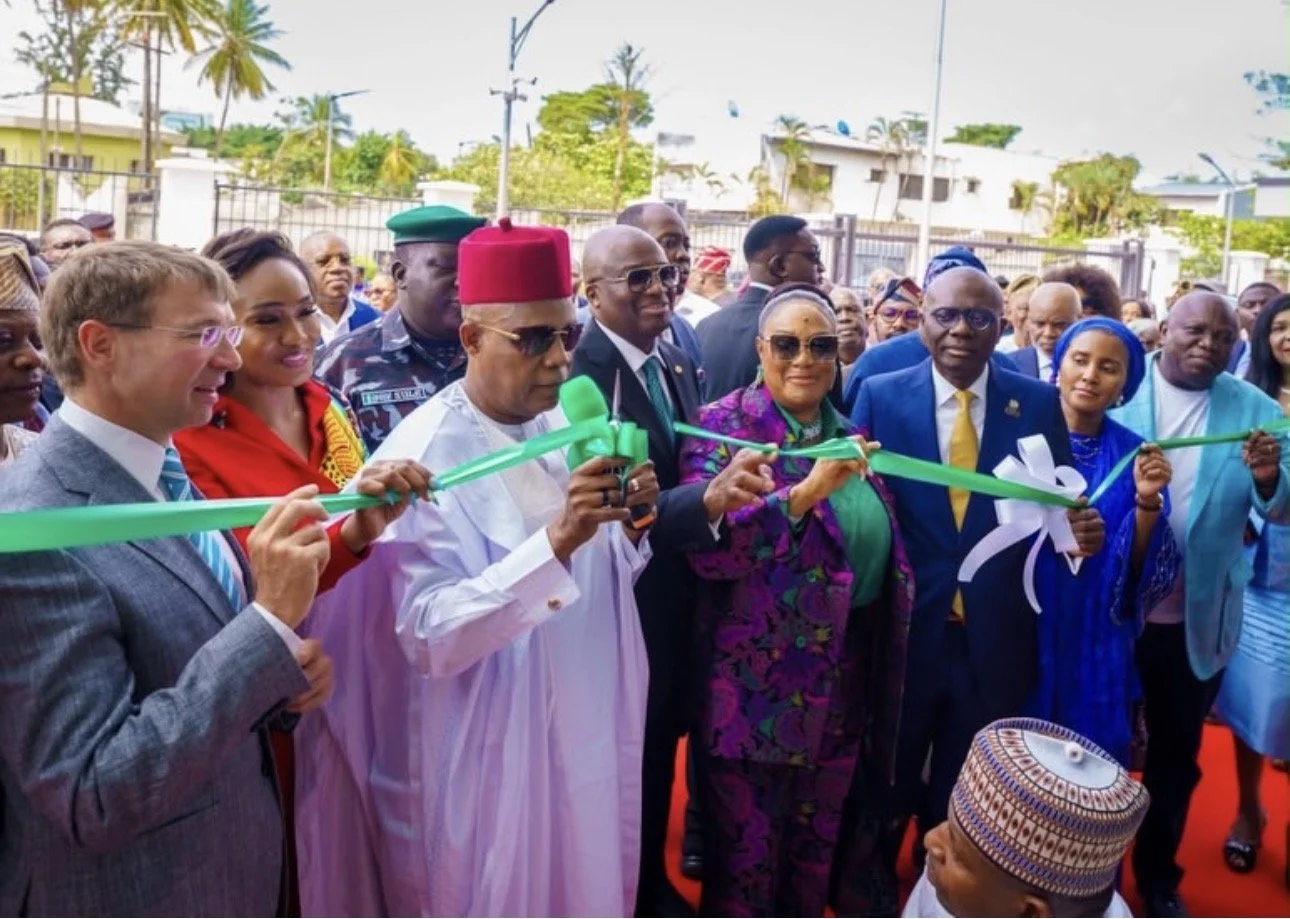
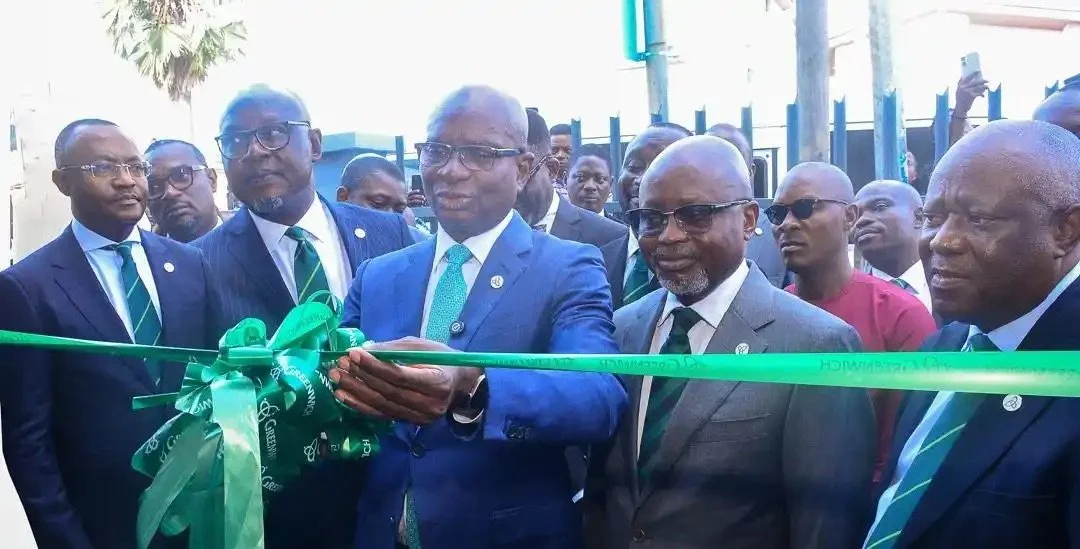
Lagos, World Bank, FCMB Advance $500 Million Plan for Inclusive Education and Healthcare
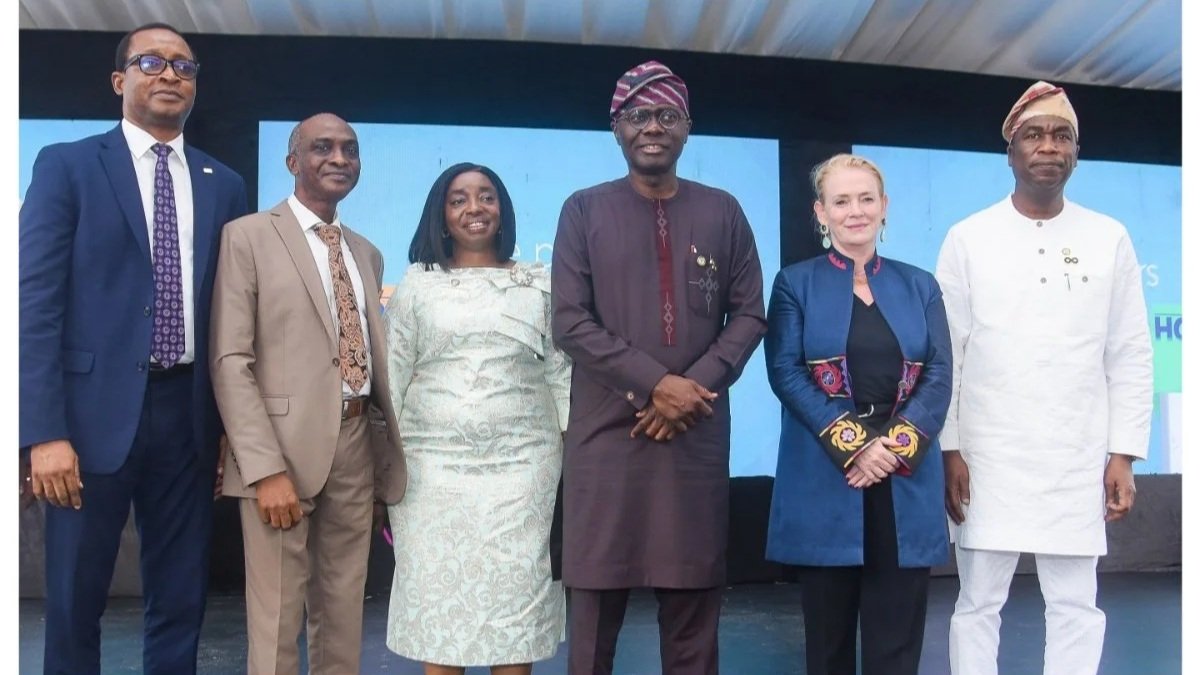
Lagos Partners World Bank, FCMB on $500M Social Infrastructure Initiative
The Lagos State Government, in partnership with the World Bank and First City Monument Bank (FCMB), is advancing a $500 million initiative aimed at expanding access to inclusive education and healthcare. The programme is designed to strengthen social infrastructure, improve service delivery, and support human capital development in Nigeria’s commercial hub.
Strategic Investment in Social Infrastructure
The initiative reflects a coordinated effort to address critical gaps in education and healthcare systems, particularly for underserved populations. Lagos State officials emphasised that the programme will prioritise inclusive access, targeting vulnerable groups and improving the quality of public services.
/ You Might Also Like /




The $500 million funding framework combines multilateral financing with private sector participation, aligning with broader development finance strategies that leverage blended capital to deliver social outcomes. According to project stakeholders, this model is intended to accelerate infrastructure delivery while ensuring financial sustainability.
Focus Areas: Education and Healthcare Delivery
In the education sector, the programme aims to expand access to quality schooling, upgrade learning facilities, and integrate technology-driven solutions to improve outcomes. Investments will focus on both infrastructure and capacity building, ensuring that increased access translates into measurable improvements in educational performance.
In healthcare, the initiative seeks to strengthen primary healthcare systems, improve facility capacity, and expand access to essential services. The programme also aims to address systemic challenges such as workforce shortages, infrastructure deficits, and uneven service distribution across urban and peri-urban areas.
Role of Development Finance and Private Sector Participation
The involvement of the World Bank underscores the importance of development finance in addressing structural challenges in emerging markets. Multilateral institutions provide long-term funding and technical expertise, helping governments implement large-scale social programmes.
Meanwhile, First City Monument Bank (FCMB)’s participation highlights the growing role of domestic financial institutions in supporting development initiatives. By mobilising private capital, the programme aims to bridge funding gaps and enhance execution capacity.
This public-private collaboration reflects a broader shift towards blended finance models, where risk-sharing mechanisms encourage investment in sectors traditionally considered high-risk.
Implications for Economic Growth and Human Capital
For policymakers and investors, the initiative signals a strategic focus on human capital development as a driver of long-term economic growth. Improved access to education and healthcare contributes to workforce productivity, reduces inequality, and supports sustainable urban development.
Lagos, as Nigeria’s economic centre, plays a critical role in setting policy direction and piloting large-scale interventions. Successful implementation of the programme could serve as a model for replication across other states.
Implementation Challenges and Considerations
While the funding commitment is significant, stakeholders emphasise that execution will determine the programme’s impact. Key challenges include ensuring efficient fund allocation, maintaining transparency, and delivering projects within defined timelines.
Institutional coordination between government agencies, financial partners, and implementing bodies will be essential to achieving intended outcomes. Monitoring and evaluation frameworks will also play a critical role in measuring performance and ensuring accountability.
The $500 million partnership between Lagos State, the World Bank, and FCMB represents a major step toward addressing structural gaps in education and healthcare. By leveraging blended finance and focusing on inclusive access, the initiative aims to strengthen social infrastructure and support long-term economic development.
Sustained implementation, strong governance, and effective collaboration will be critical to translating this investment into measurable improvements in human capital and public service delivery.
READ MORE