Lagos Rents Hit ₦26.8m Annually, Rank Fourth Highest in Africa - Report
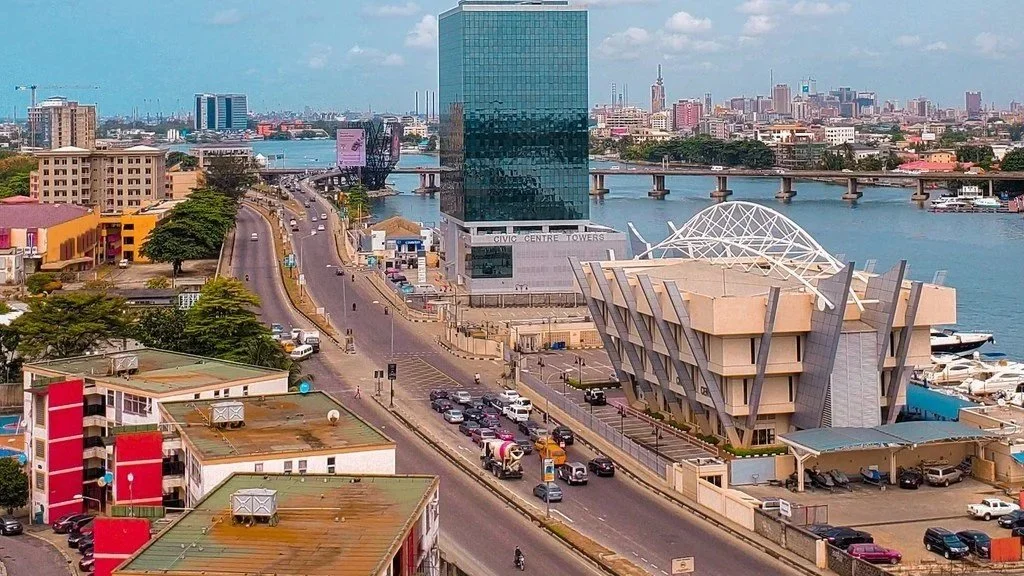
Lagos Rental Market Surges, Now Fourth Costliest in Africa
Lagos has emerged as the fourth most expensive rental market in Africa, with annual rents for a two-bedroom apartment in prime locations averaging approximately ₦26.8 million ($19,379), according to a new report by Fortren & Company.
The report, which analysed rental costs across major African cities, places Lagos behind Abidjan, Cape Town, and Accra, underscoring mounting affordability pressures in Nigeria’s commercial hub.
/ You Might Also Like /




Rising rental costs driven by demand-supply imbalance
The surge in rental prices reflects a widening gap between housing demand and available supply. Lagos Nigeria’s economic centre and one of Africa’s fastest-growing urban areas continues to attract population inflows, intensifying pressure on limited residential stock.
High-end districts such as Ikoyi, Banana Island, and Victoria Island account for the steepest rental values, driven by land scarcity and sustained demand from high-income earners and expatriates.
Analysts attribute the increase to structural constraints, including limited land availability, high construction costs, and macroeconomic pressures such as inflation and currency depreciation.
Affordability pressures intensify
Rental growth in Lagos has accelerated sharply over the past two years, with estimates indicating increases of between 50 percent and 200 percent.
This surge has pushed the income-to-rent ratio to nearly 70 percent well above the 30 percent affordability benchmark recommended by the United Nations highlighting severe financial strain on households.
As a result, many residents are relocating from central urban districts to more affordable outskirts. However, even suburban areas are experiencing rising rents, with two-bedroom apartments now costing between ₦1.5 million and ₦2.5 million annually.
Structural issues in Nigeria’s rental system
The report identifies systemic challenges in Nigeria’s housing market that exacerbate affordability concerns. These include the widespread requirement for one to two years’ rent upfront, limited access to mortgage financing, and low trust in tenancy systems.
Additionally, many high-end properties are priced in US dollars, effectively narrowing access to a small segment of the population while sustaining elevated rental values.
Investor opportunities amid market pressures
Despite affordability challenges, the report highlights emerging opportunities for real estate investors. Demand for rental housing continues to outpace supply, particularly for smaller units such as one-bedroom and two-bedroom apartments.
This trend supports the growth of build-to-let developments, especially in high-demand urban corridors where occupancy rates remain strong.
Broader African context
The upward trend in rental costs is not limited to Lagos. Major African cities, including Cape Town and Accra, are experiencing similar pressures driven by urbanisation, expatriate demand, and constrained housing supply.
However, the pace of increase in Lagos remains among the most pronounced, reflecting deeper structural challenges within Nigeria’s housing sector.
Outlook
Lagos’ ranking as Africa’s fourth most expensive rental market highlights the scale of Nigeria’s housing affordability crisis. Without targeted policy interventions to expand housing supply, improve financing access, and stabilise construction costs, rental pressures are likely to persist.
For policymakers and investors, the current trajectory underscores the urgency of coordinated reforms to address structural inefficiencies while unlocking sustainable growth in the housing market.
READ MORE