Lagos Ports Expect 39 Ships Carrying Petrol, Food and Industrial Cargo This Week
39 Ships Set to Arrive Lagos Ports with Petrol, Food and General Cargo
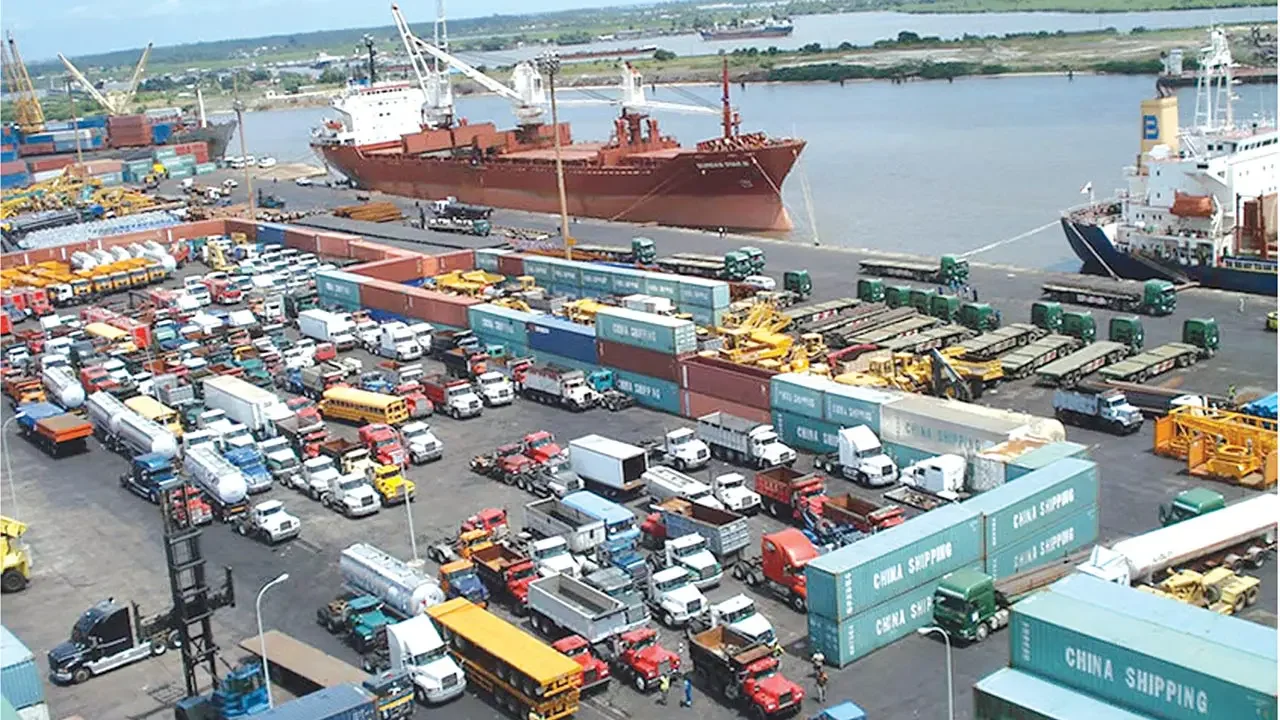
The Nigerian Ports Authority (NPA) has announced that 39 ships carrying petroleum products, food items and industrial cargo are expected to arrive at Apapa Port, Lekki Deep Sea Port and Tin Can Island Port between 3 and 8 August. The vessels are expected to strengthen the supply of fuel, food commodities and raw materials that support economic activity across Nigeria.
/ You Might Also Like /
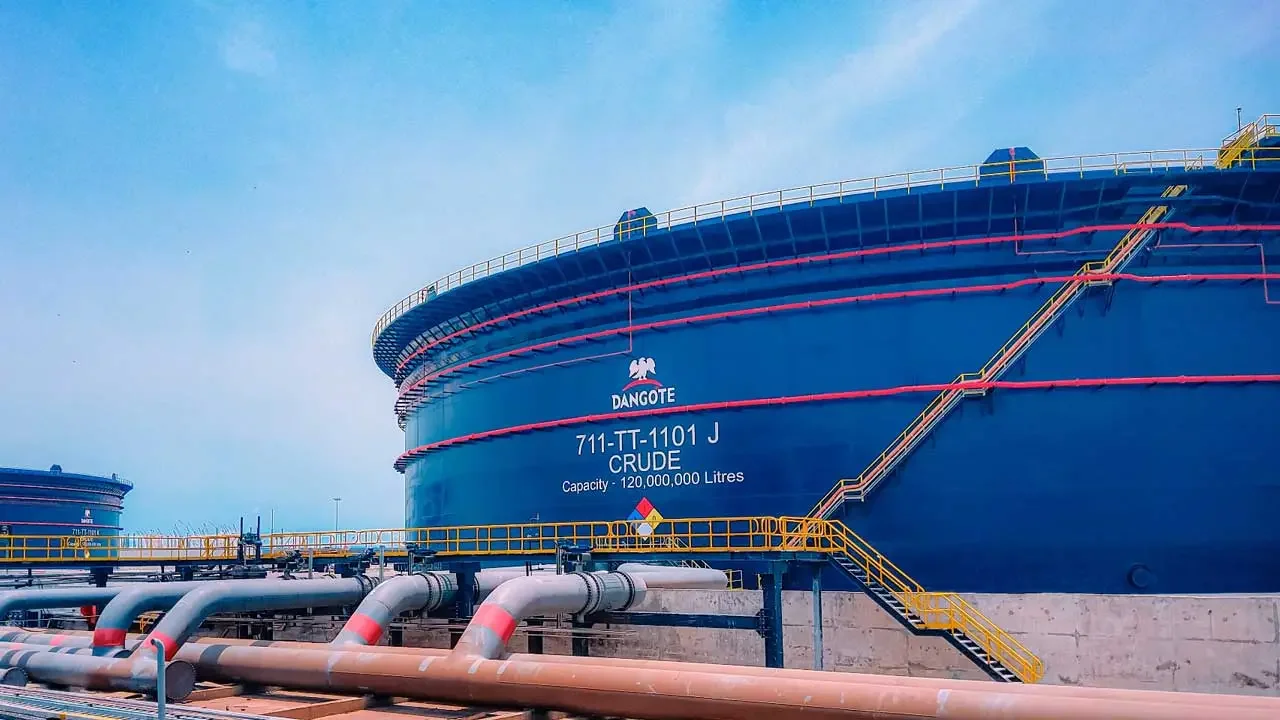



According to the NPA's Daily Shipping Position, 11 of the incoming vessels are container ships, while the remaining ships are transporting bulk cargoes including petrol, crude oil, diesel, wheat, sugar, urea, gypsum, gas and other general cargoes. The authority also disclosed that several vessels are already awaiting berthing, while cargo discharge operations continue across the three major Lagos ports.
Strengthening Nigeria's Supply Chain
The expected arrivals highlight the critical role of Lagos ports as Nigeria's principal maritime gateway for imported fuel, food products and industrial inputs.
Steady vessel traffic helps sustain supply chains for manufacturing, agriculture, energy and commerce, while supporting businesses that rely on imported raw materials and consumer goods.
Implications for Housing and Construction
The arrival of ships carrying industrial commodities such as gypsum and bulk materials is relevant to Nigeria's construction and housing sectors.
Consistent port operations facilitate the importation of raw materials used in cement production, building materials and industrial manufacturing, helping developers and contractors maintain project timelines. Reliable logistics also contribute to more stable supply chains for construction inputs.
Why It Matters
Efficient port operations remain essential to Nigeria's economy. The continuous movement of petroleum products, food supplies and industrial cargo supports energy availability, commercial activity and infrastructure development.
For the housing and real estate sector, improved cargo throughput can help reduce supply bottlenecks affecting construction materials and other essential inputs.
Outlook
As cargo volumes continue to increase through Apapa, Lekki Deep Sea Port and Tin Can Island Port, attention will remain on port efficiency, logistics infrastructure and faster cargo clearance. Continued improvements in port operations could strengthen trade, reduce supply chain disruptions and support long-term growth across Nigeria's construction, manufacturing and real estate sectors.
READ MORE