Communities urged to help identify unsafe buildings
A non-governmental organisation, Thrivescape Initiative, has called for community-based building safety committees across Lagos State to help identify unsafe construction activities and prevent building collapses.
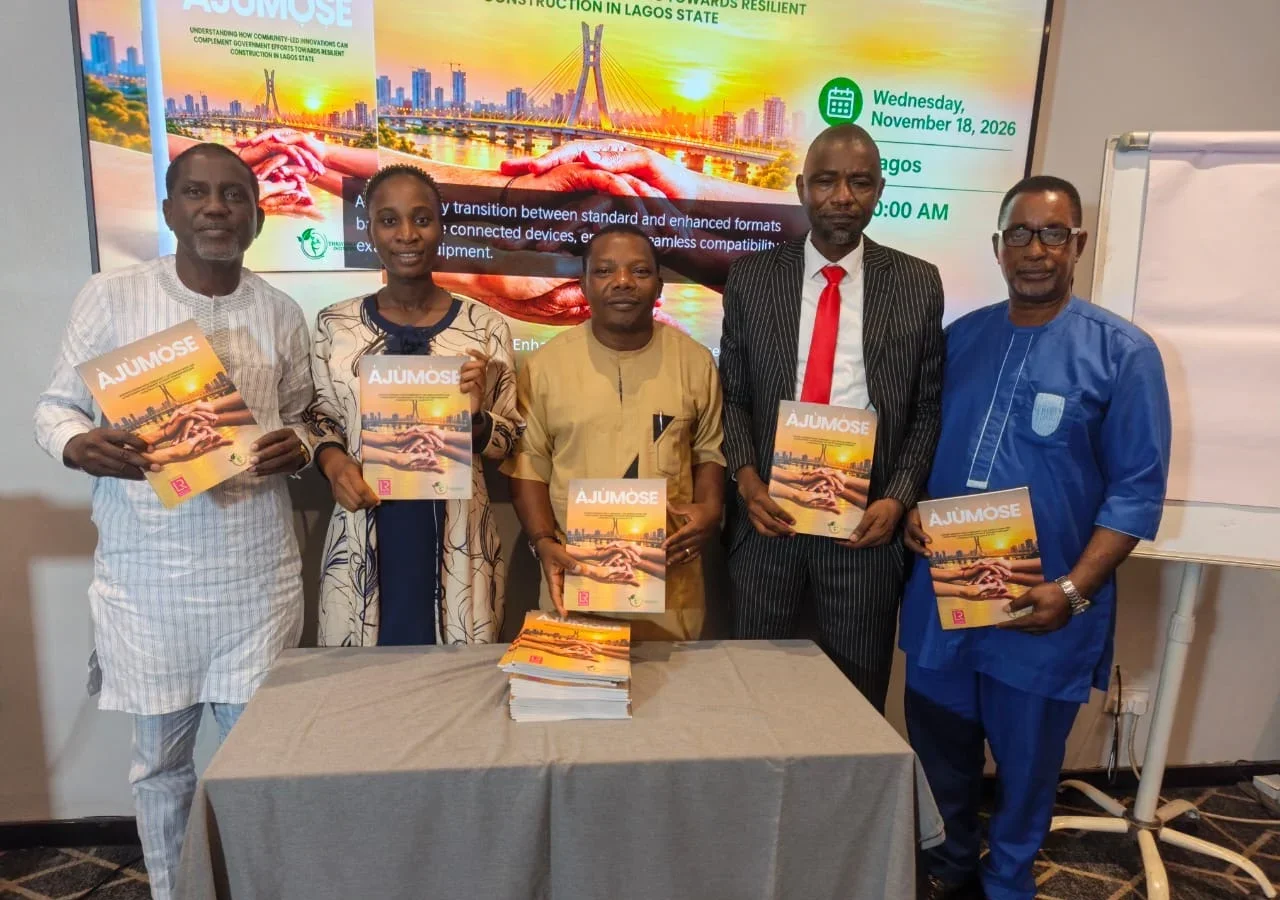
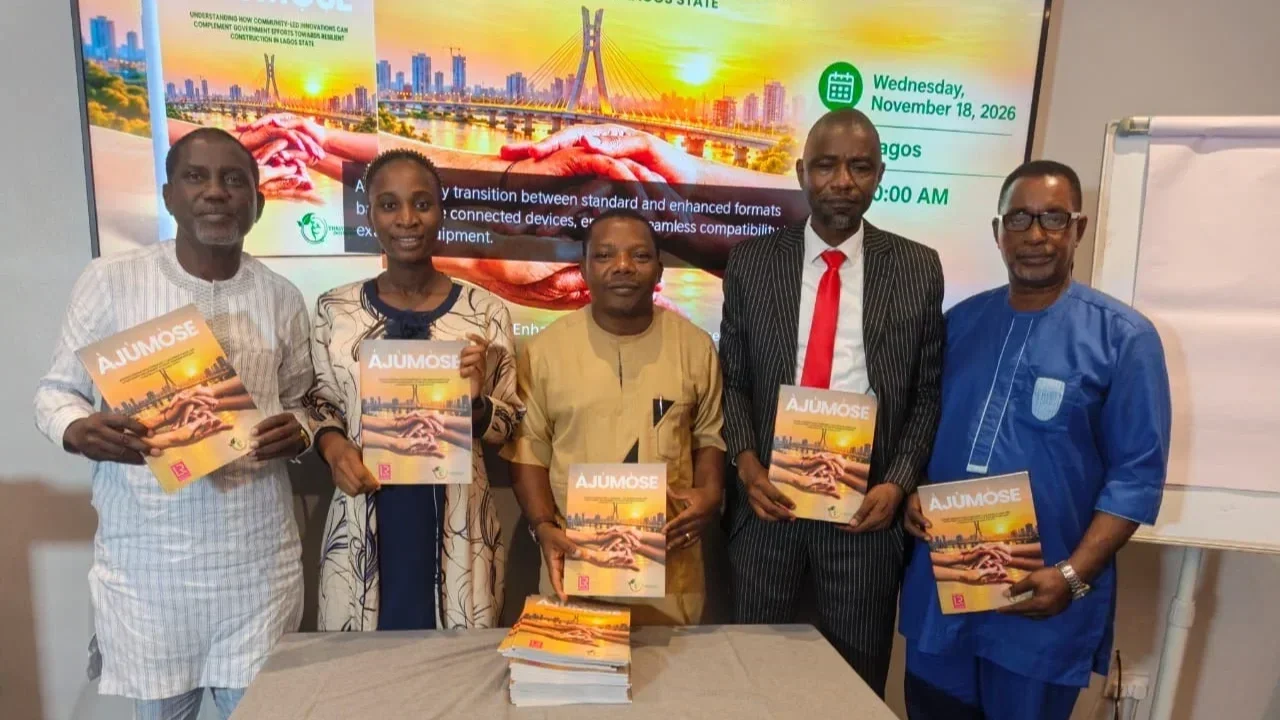
The recommendation forms part of a research report titled Ajumose: Understanding How Community-led Innovations Can Complement Government Efforts Towards Resilient Construction in Lagos State, presented in Lagos on November 18, 2026.
/ You Might Also Like /




The study advocates a shift from relying primarily on government inspections and enforcement towards a more collaborative system in which residents, artisans, traditional institutions, civil society groups and built-environment professionals help monitor construction activities in their neighbourhoods.
Presenting the findings, Professor Gbemiga Faniran of the Department of Urban and Regional Planning at Obafemi Awolowo University, Ile-Ife, said communities could help identify questionable building practices and report suspected safety risks before they result in structural failures.
The proposed approach would complement, rather than replace, the statutory responsibilities of building control agencies and qualified construction professionals.
Community surveillance proposed as an early-warning system
The research identifies residents as an underused resource in building safety monitoring because they are often best positioned to notice suspicious construction activities, visible structural defects and unauthorised changes to buildings within their neighbourhoods.
It recommends establishing community-based safety committees to help verify initial site documentation, observe construction activities and report suspected violations to the appropriate authorities.
The study identifies six areas for community-led intervention: grassroots vigilance and early detection, artisan capacity and execution control, institutional co-governance, public safety education, material standards and asset stewardship, and statutory developer fees.
Faniran said a decentralised monitoring system could improve neighbourhood accountability and give regulatory agencies additional channels for receiving information about potentially dangerous construction.
However, community members would need clear reporting procedures and access to technical professionals. Residents can identify warning signs, but structural assessments and decisions on whether a building is safe require qualified expertise.
Technology proposed to strengthen building safety reporting
Thrivescape Initiative's Team Lead, Tosin Aniramu-Joseph, said recurring building collapses in Lagos showed the need to strengthen preventive measures rather than rely mainly on interventions after buildings fail.
She proposed technology-enabled reporting platforms that would allow residents to submit complaints about suspected unsafe buildings, upload photographs, provide location details and track the progress of their reports.
The organisation also recommended using artificial intelligence and other emerging technologies to identify early warning signs, prioritise inspections and monitor areas with recurring building safety concerns.
Such systems could help authorities organise reports and direct inspection resources towards locations where residents have identified potential risks. They could also improve access to material testing, structural assessments and verified professionals, particularly for low-income households.
The report further proposes community referral systems that connect residents with qualified engineers and other built-environment professionals. This could help reduce exposure to unqualified service providers and unsafe construction practices.
Lagos agencies signal support for community participation
The research calls for stronger collaboration between communities, government agencies, professional bodies, technology developers and private-sector organisations to translate its recommendations into practical interventions.
The General Manager of the Lagos State Building Control Agency (LASBCA), Florence Gbaye, commended the initiative and pledged collaboration on public enlightenment and whistleblowing to encourage residents to report suspected building safety risks.
Gbaye, represented by the agency's Deputy Director, Toyin Dada, said cooperation with community groups could support efforts to improve building safety.
The General Manager of the Lagos State Physical Planning Permit Authority (LASPPPA), Kehinde Osinaike, also highlighted the importance of community participation in sustainable construction and urban development.
Osinaike, represented by Director Akintunji Ramon, called for stronger cooperation among government institutions, construction professionals and residents.
The involvement of both agencies is significant because building safety depends on several stages of development, including planning approval, construction supervision, compliance monitoring and enforcement.
Building collapses expose weaknesses in construction oversight
The proposal comes amid continuing concerns about building failures in Lagos, where rapid urban development, construction defects and weak compliance with building regulations have contributed to safety risks.
Earlier research by Thrivescape Initiative identified substandard building materials, unsuitable foundations and swampy ground conditions as major factors associated with building collapses in the state. Other contributing issues included ageing structures, inadequate maintenance, unauthorised building modifications, overloading, quackery and regulatory compromise.
The findings reinforce the need for stronger oversight throughout a building's lifecycle, from site selection and design to material testing, construction and maintenance.
Community monitoring could help authorities detect warning signs earlier, but it cannot address the underlying problems without effective inspections, professional accountability and consistent enforcement of building standards.
For residents who suspect that a building is unsafe, the research encourages prompt reporting to the relevant authorities rather than waiting for visible damage to worsen.
Implementation will determine whether community monitoring works
The proposed community-led system could expand the reach of building safety monitoring, particularly in densely populated neighbourhoods where regulatory agencies may struggle to supervise every construction site continuously.
However, its effectiveness will depend on clearly defined responsibilities, reliable reporting channels, protection for whistleblowers and timely responses from government agencies.
Residents must also receive guidance on recognising warning signs without being encouraged to make technical judgements beyond their competence. Community reports should trigger professional inspections, not substitute for them.
For Lagos' property market, stronger preventive monitoring could help protect lives, reduce property losses and improve confidence in the safety of buildings. But achieving those outcomes will require authorities to turn community participation into a functioning part of the state's building control system.
The central challenge is therefore not simply encouraging residents to report unsafe buildings, but ensuring that every credible report leads to timely investigation and appropriate enforcement.
READ MORE