₦600 Billion Treasury Bills Auction Signals Continued Liquidity Tightening
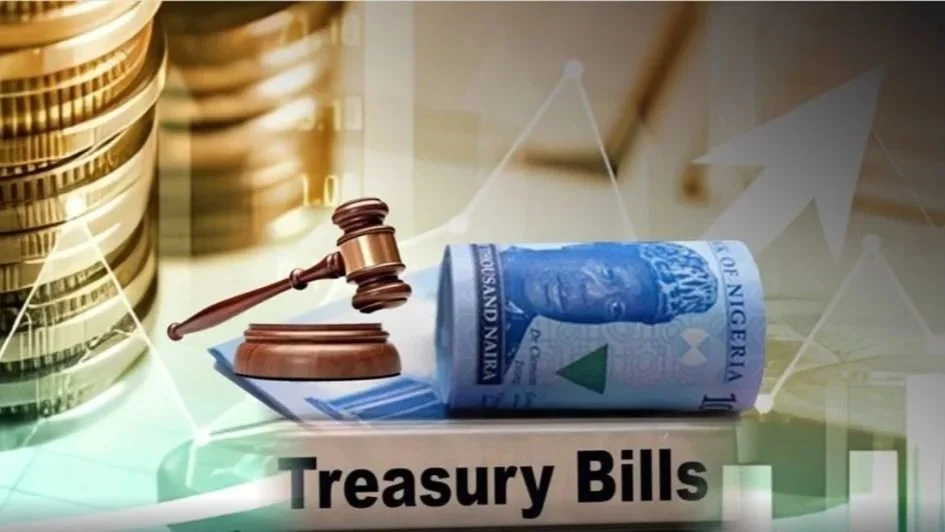
CBN Seeks ₦600 Billion Through Treasury Bills Sale
The Central Bank of Nigeria (CBN) is seeking to raise ₦600 billion through a Nigerian Treasury Bills (NTB) auction scheduled for Wednesday, July 15, 2026, as part of its third-quarter domestic borrowing programme. Conducted on behalf of the Debt Management Office (DMO), the auction forms part of the government's strategy to manage liquidity, finance budgetary needs and maintain stability in the financial system.
/ You Might Also Like /




The issuance follows a series of active debt market operations by the apex bank, including a recent repayment of ₦2.97 trillion in Open Market Operations (OMO) bills and continued Treasury Bills auctions aimed at balancing liquidity while supporting monetary policy objectives.
Part of a Larger Q3 Borrowing Programme
The planned auction is one of several scheduled under the CBN's Q3 2026 Treasury Bills Issuance Programme, which targets ₦5.8 trillion in gross issuance between July and September. After accounting for maturing Treasury Bills, the programme represents approximately ₦3.16 trillion in net new borrowing, making it one of the most aggressive domestic borrowing plans in recent years.
According to the official issuance calendar, July alone is expected to account for around ₦2 trillion in Treasury Bills offerings across three auction dates, reflecting the government's continued reliance on short-term domestic debt to finance fiscal obligations and manage liquidity.
Treasury Bills Remain Key Monetary Policy Tool
Treasury Bills are short-term government securities issued to raise funds and regulate money supply within the economy. The CBN uses these instruments to absorb excess liquidity from the banking system, helping to moderate inflationary pressures and influence short-term interest rates.
The latest auction comes as monetary authorities continue to maintain a tight policy stance in response to inflation and exchange rate pressures. By offering attractive yields on government securities, the CBN aims to encourage investment in fixed-income instruments while limiting excess cash circulating in the financial system.
Strong Investor Appetite Expected
Recent Treasury Bills auctions have recorded strong investor demand despite elevated interest rates. At the July 8 auction, the CBN offered ₦700 billion but ultimately allotted approximately ₦1.06 trillion after bids significantly exceeded the amount on offer, demonstrating continued appetite for government securities, particularly longer-tenor instruments.
Market analysts expect the latest auction to attract similar interest, as institutional investors continue to favour Treasury Bills for their relatively attractive yields and lower credit risk compared with other investment options.
Investor demand has remained concentrated on the 364-day Treasury Bill, reflecting preferences for higher returns in Nigeria's high-interest-rate environment.
Implications for Housing and Real Estate
Although Treasury Bills primarily serve monetary and fiscal policy objectives, their performance has important implications for Nigeria's housing and real estate sectors.
Higher Treasury Bill yields often influence commercial lending rates, affecting the cost of borrowing for property developers, construction firms and prospective homeowners. As banks allocate more capital to government securities offering competitive returns, credit available for private-sector lending may become more expensive or limited.
For investors, sustained high yields in the fixed-income market may also compete with real estate investment by offering lower-risk returns, potentially affecting capital flows into the property sector.
However, effective liquidity management contributes to broader macroeconomic stability, which remains essential for long-term housing finance, mortgage market development and infrastructure investment.
Outlook
The ₦600 billion Treasury Bills auction reinforces the CBN's commitment to managing liquidity while supporting the Federal Government's domestic financing strategy. With the broader Q3 programme targeting ₦5.8 trillion in issuances, Treasury Bills are expected to remain central to monetary policy and fiscal financing over the coming months.
For investors, financial institutions and housing stakeholders, the auction will provide another indication of market liquidity, investor sentiment and interest rate expectations. The outcome could influence borrowing costs, credit conditions and investment decisions across key sectors of the Nigerian economy, including real estate and infrastructure.
READ MORE