Lagos Reaffirms Commitment to Global Urban Planning Standards

Sustainable Cities Drive Lagos Commitment to Global Planning Principles
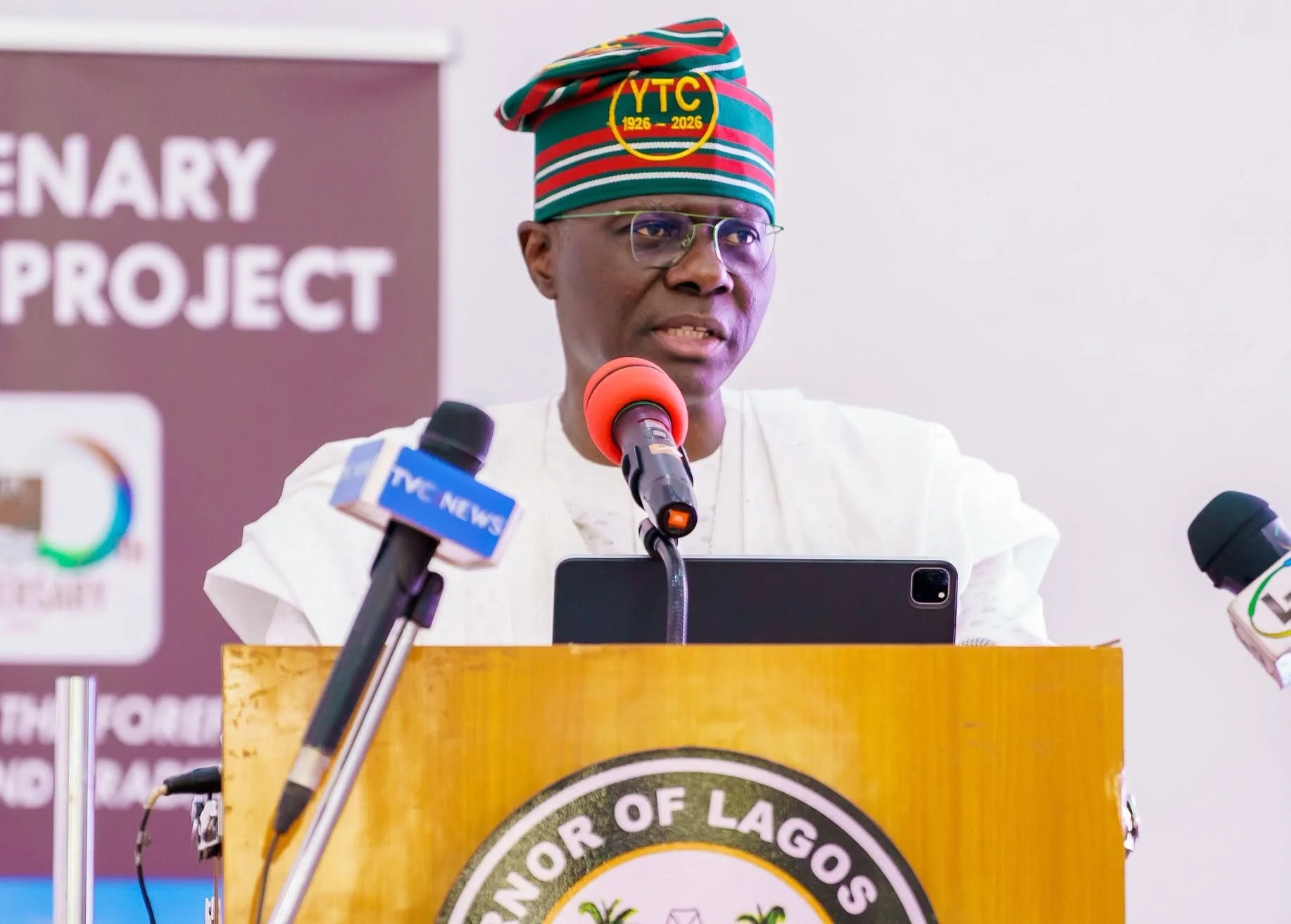
Lagos State has reaffirmed its commitment to adopting and implementing global urban planning standards as part of its long-term strategy for sustainable development, improved land use management and resilient urban growth. The commitment reflects the state’s efforts to address the challenges associated with rapid urbanisation, population expansion and increasing infrastructure demand while positioning Lagos as a globally competitive and sustainable megacity. According to state officials, effective planning remains critical to ensuring orderly development, environmental sustainability and enhanced quality of life for residents.
/ You Might Also Like /




As Africa’s largest city by population continues to expand, policymakers are placing greater emphasis on planning frameworks that support inclusive growth and long-term urban resilience.
Lagos Reiterates Commitment to International Planning Standards
The Lagos State Government stated that adherence to internationally recognised urban planning principles remains central to its development agenda. Officials emphasised the importance of integrating global best practices into city planning, land administration, infrastructure development and environmental management.
The government noted that sustainable planning approaches can help cities manage growth more effectively while reducing the risks associated with uncontrolled development, congestion and environmental degradation.
Urban planning experts widely regard strategic land use management as a critical factor in supporting economic productivity and maintaining liveable urban environments.
Addressing Challenges of Rapid Urbanisation
Lagos remains one of the fastest-growing urban centres in the world, attracting significant migration and economic activity each year.
This growth has created substantial demand for housing, transportation infrastructure, public services and commercial development. Without effective planning systems, rapid urban expansion can place considerable pressure on existing infrastructure and lead to challenges such as traffic congestion, informal settlements and environmental stress.
State officials stressed that proactive planning is necessary to accommodate future population growth while maintaining urban efficiency and sustainability.
The adoption of global planning standards is intended to support more coordinated and balanced urban development.
Sustainable Development Remains a Core Objective
The state’s commitment aligns with broader sustainable development goals that prioritise environmental protection, social inclusion and economic growth.
Urban planners increasingly advocate for development models that balance infrastructure expansion with environmental stewardship and community wellbeing. Sustainable planning frameworks often promote efficient land use, improved public transportation systems, green infrastructure and climate-resilient development practices.
Experts note that integrating sustainability into planning processes can improve long-term economic competitiveness while reducing environmental risks.
Lagos has continued to position sustainability as a key component of its urban transformation strategy.
Implications for Housing and Real Estate Development
Urban planning policies play a significant role in shaping housing supply, property development and investment activity.
Clear planning regulations and efficient land use management can improve the delivery of housing projects, reduce development bottlenecks and encourage private sector investment. In rapidly growing cities, planning frameworks are particularly important for ensuring that residential expansion is supported by adequate infrastructure and public services.
Real estate stakeholders frequently identify regulatory certainty and planning efficiency as essential factors influencing investment decisions.
The state’s focus on global standards may contribute to a more predictable environment for developers and investors.
Strengthening Urban Resilience
Climate change and environmental challenges are increasingly influencing urban planning priorities worldwide.
Coastal cities such as Lagos face particular vulnerabilities related to flooding, rising sea levels and extreme weather events. Urban resilience strategies seek to reduce these risks through improved infrastructure design, drainage systems, environmental management and sustainable land use practices.
State officials highlighted the importance of planning approaches capable of enhancing resilience while supporting continued economic growth.
Experts argue that resilient cities are better positioned to withstand environmental and economic shocks while maintaining essential services.
Urban Planning and Economic Competitiveness
Well-planned cities often attract higher levels of investment and economic activity.
Infrastructure quality, transportation efficiency and land use policies can influence business costs, productivity and overall competitiveness. As Lagos continues to serve as Nigeria’s commercial centre, planning decisions will play a major role in shaping future economic outcomes.
Development analysts note that modern urban planning frameworks can improve investment attractiveness by creating more organised and efficient environments for businesses and residents.
The state's commitment to global standards aligns with broader efforts to strengthen Lagos’ position as a leading economic hub in Africa.
The Role of Collaboration and Professional Standards
The successful implementation of urban planning policies often requires collaboration between government agencies, professional bodies, developers and community stakeholders.
Planning professionals emphasise the importance of maintaining high standards in land administration, development control and infrastructure coordination. International planning frameworks provide reference points that can help cities improve governance and development outcomes.
Stakeholders continue to advocate for stronger institutional capacity and greater compliance with planning regulations to support sustainable urban growth.
Conclusion
Lagos State’s reaffirmation of its commitment to global urban planning standards reflects a broader effort to manage rapid urbanisation, strengthen sustainability and improve long-term development outcomes. By aligning planning strategies with international best practices, the state aims to promote orderly growth, enhance infrastructure delivery and create more resilient communities.
As housing demand, infrastructure needs and environmental pressures continue to grow, effective urban planning will remain a critical factor in shaping Lagos’ future. The state’s focus on sustainable development and global planning benchmarks may play an important role in supporting economic competitiveness, investment growth and improved quality of life for residents.
READ MORE