Building Approval Fees Yield ₦80 Billion for Lagos in 2025
Construction Activity Drives ₦80 Billion Building Approval Revenue in Lagos
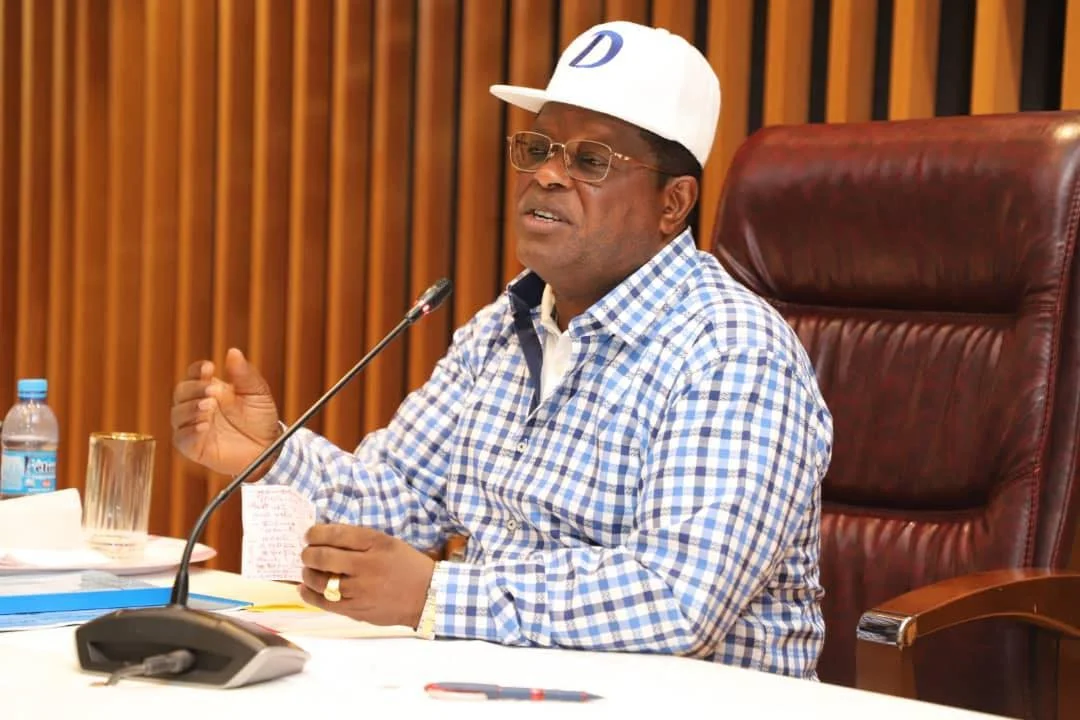
Lagos State generated approximately ₦80 billion from building approval applications in 2025, according to the Commissioner for Physical Planning and Urban Development, Dr Oluyinka Olumide. The figure highlights the scale of construction activity taking place across Nigeria’s commercial capital and reflects growing compliance with development regulations as authorities strengthen urban planning oversight.
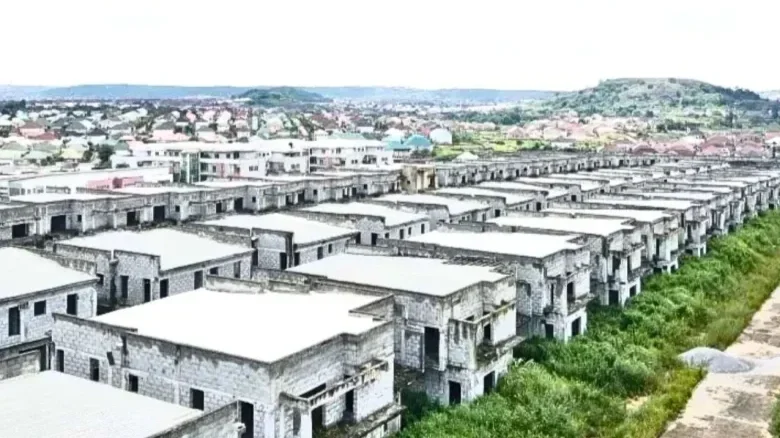
The revenue performance underscores the importance of the construction and real estate sectors to Lagos’ economy, while also demonstrating the increasing role of regulatory frameworks in managing rapid urban expansion. As the state continues to experience population growth and rising demand for residential, commercial and mixed-use developments, building approval processes remain a critical component of sustainable urban development.
/ You Might Also Like /




Building Approval Revenue Reaches ₦80 Billion
According to the Lagos State Government, building approval applications generated ₦80 billion in revenue between January and May 2025. The Commissioner disclosed the figure during a ministerial briefing marking the second year of Governor Babajide Sanwo-Olu’s second term in office.
The revenue was derived from applications processed by agencies under the Ministry of Physical Planning and Urban Development, including approvals for residential, commercial, industrial and mixed-use projects across the state.
Officials noted that the performance reflects increased development activity and stronger adherence to planning regulations among developers and property owners.
Rising Construction Activity Supports Revenue Growth
The substantial revenue generated from approvals points to continued growth within Lagos’ construction and real estate sectors.
As Nigeria’s economic hub, Lagos attracts significant investment in housing, commercial real estate, retail developments and infrastructure projects. Rapid urbanisation, population expansion and increasing demand for residential accommodation continue to drive construction activity across key growth corridors such as Lekki, Ibeju-Lekki, Epe, Ikorodu and Badagry.
Industry analysts note that rising demand for formal property developments has contributed to increased applications for planning permits and development approvals.
The trend also reflects greater awareness among developers regarding the importance of obtaining regulatory approvals before commencing construction.
Government Intensifies Development Control Measures
The Lagos State Government has continued to strengthen enforcement of planning regulations as part of efforts to promote orderly urban growth and reduce incidences of illegal development.
According to the Ministry of Physical Planning and Urban Development, authorities processed thousands of applications while simultaneously monitoring compliance with approved building standards and land-use regulations.
Officials have repeatedly emphasised that obtaining building approvals remains essential for ensuring structural safety, environmental sustainability and proper infrastructure planning.
Recent enforcement actions, including the publication of illegal estates operating without approved layouts, demonstrate the state’s broader commitment to improving compliance within the property sector.
Digital Reforms Improve Approval Processes
The ministry attributed part of the revenue growth to ongoing reforms aimed at simplifying and digitising planning approval procedures.
Lagos has increasingly adopted technology-driven processes to improve transparency, reduce processing times and enhance service delivery for developers and property owners.
Urban planning experts argue that digital platforms can help reduce bureaucratic bottlenecks, improve regulatory efficiency and encourage greater participation in formal approval systems.
The government has also continued to promote stakeholder engagement to improve understanding of planning requirements and encourage voluntary compliance.
Urban Development and Infrastructure Planning
Building approvals play a vital role in Lagos’ broader urban development strategy.
Planning permits enable authorities to assess the impact of proposed developments on transportation networks, drainage infrastructure, environmental sustainability and public services. Effective planning systems also help prevent unregulated developments that can contribute to flooding, congestion and pressure on existing infrastructure.
As Lagos continues to pursue its smart city and urban resilience objectives, building approval frameworks are becoming increasingly important tools for managing growth and ensuring long-term sustainability.
Urban development specialists note that coordinated planning remains essential to balancing economic expansion with environmental and infrastructure considerations.
Implications for Real Estate Investors
The increase in building approval applications may also signal continued confidence in Lagos’ property market despite broader economic challenges.
Developers, institutional investors and private property owners continue to view Lagos as one of Africa’s most attractive real estate markets due to its population size, economic significance and ongoing infrastructure investments.
Higher approval volumes often indicate strong development pipelines, which can support employment, stimulate construction-related industries and expand housing supply.
However, analysts caution that developers must continue to prioritise compliance with planning regulations to avoid enforcement actions and project delays.
Revenue Diversification Benefits State Finances
The ₦80 billion generated from building approvals also highlights the growing importance of internally generated revenue sources for Lagos State.
As governments seek to reduce dependence on federal allocations, regulatory and service-related revenues have become increasingly important components of fiscal sustainability.
Revenue generated through planning approvals can support investments in infrastructure, urban management, public services and environmental projects.
Fiscal experts note that diversified revenue streams are particularly important for rapidly growing cities facing increasing demands for infrastructure and social services.
Conclusion
Lagos State’s generation of ₦80 billion from building approval applications in 2025 underscores the scale of ongoing construction activity and the growing importance of regulatory compliance within the state’s real estate sector. The figure reflects both rising development demand and the government’s efforts to strengthen urban planning systems through improved oversight and digital reforms.
As Lagos continues to expand, building approvals will remain a critical tool for managing growth, supporting infrastructure planning and promoting sustainable urban development. For investors, developers and policymakers, the strong revenue performance highlights the continued resilience and strategic importance of Nigeria’s largest property market.
READ MORE