Heavy Rains Expose Lagos Flood Risks, Driving Up Transport Costs and Urban Challenges
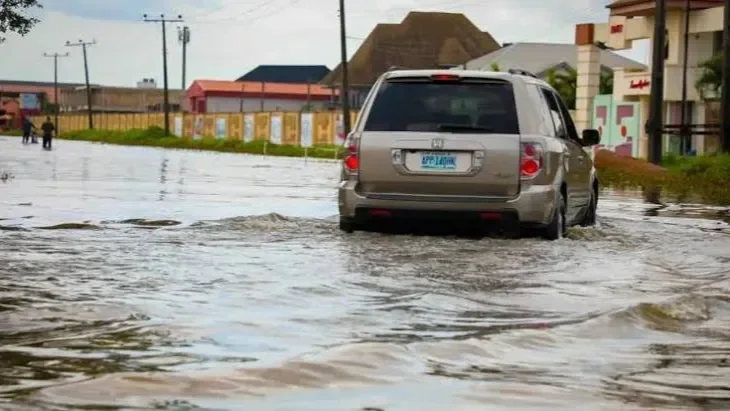
Persistent Flooding Highlights Lagos' Urban Infrastructure Challenges
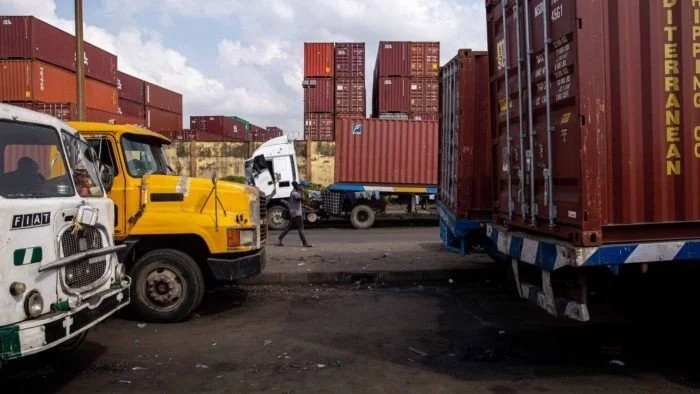
Persistent rainfall has left several major roads across Lagos flooded, disrupting commuting, increasing transport fares and placing additional financial pressure on households already grappling with a high cost of living. Residents across the state have reported longer travel times, severe traffic congestion and higher transport expenses as heavy downpours continue to affect mobility and economic activity.
/ You Might Also Like /
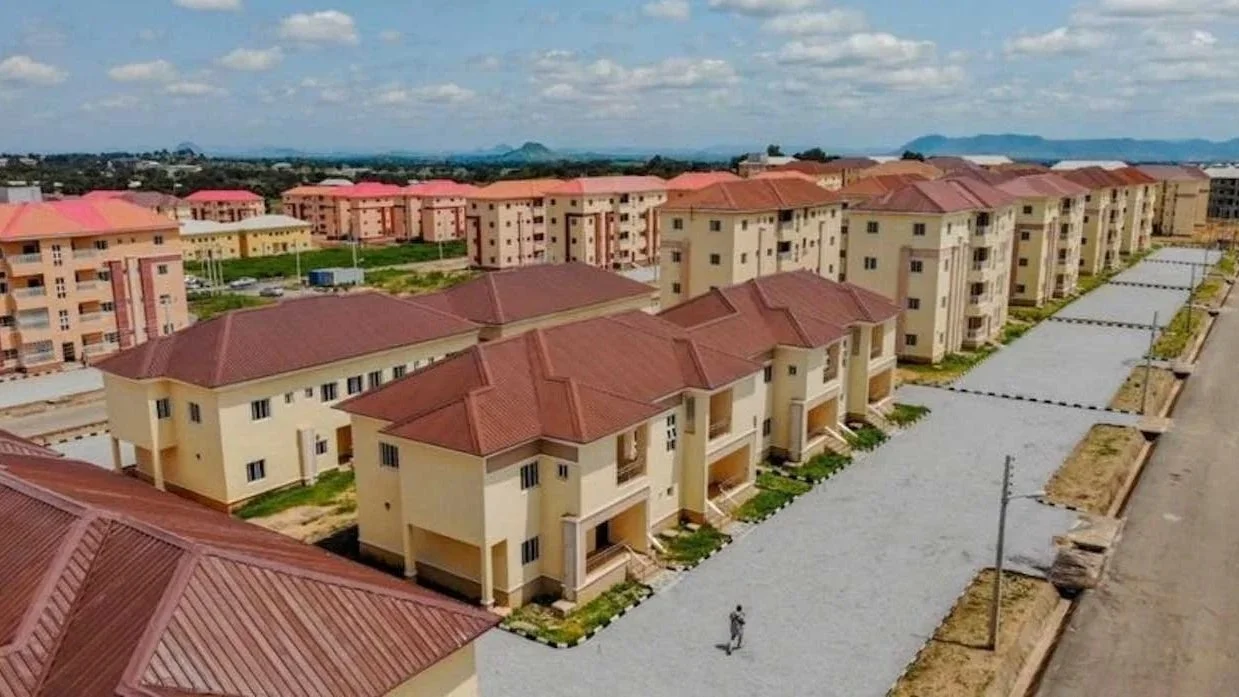

The situation aligns with the Nigerian Meteorological Agency's (NiMet) 2026 Seasonal Climate Prediction, which forecasts a longer-than-normal rainy season and delayed cessation of rainfall for Lagos and other parts of southern Nigeria.
Daily Commutes Become More Expensive
Many commuters say heavy rainfall has significantly increased their daily transport costs as commercial transport operators adjust fares to account for longer travel times and difficult road conditions.
Residents interviewed by the News Agency of Nigeria described leaving their homes several hours earlier than usual to avoid prolonged gridlock, while others reported spending nearly twice their normal transport budget whenever heavy rainfall coincides with peak commuting periods. Private vehicle owners are also facing higher fuel consumption as congestion keeps vehicles on the road for longer periods.
For traders and small businesses, the impact extends beyond transportation. Reduced customer traffic, damaged goods and interrupted business operations are affecting daily revenues, particularly in open markets vulnerable to flooding. While sellers of raincoats and umbrellas have experienced increased demand, many retailers report lower overall sales during prolonged rainfall.
NHM Analysis: Flooding Is Increasingly a Housing Issue
Although seasonal flooding is often viewed as a transport and environmental challenge, it has become an increasingly important housing market issue.
Flood-prone neighbourhoods typically experience slower property value growth, higher maintenance costs and greater insurance and infrastructure risks. Prospective homeowners and institutional investors are placing greater emphasis on drainage systems, flood resilience and supporting infrastructure when evaluating residential developments.
For developers, climate resilience is becoming a competitive advantage rather than an optional design feature. Well-engineered drainage networks, elevated road infrastructure, effective stormwater management and proper environmental planning are increasingly influencing buyer confidence and long-term property values.
Infrastructure Deficit Continues to Affect Urban Growth
Lagos has invested significantly in road construction, rail transport and urban regeneration over the past decade. However, rapid urbanisation, increasing impermeable surfaces, blocked drainage channels and more intense rainfall continue to place pressure on existing infrastructure.
Urban planning experts argue that improving drainage capacity, enforcing development regulations and protecting natural waterways are essential to reducing recurring flood risks as the city continues to expand. Seasonal flooding has become a recurring challenge across several residential and commercial districts, highlighting the need for long-term infrastructure investment rather than emergency responses alone.
Implications for the Property Market
For the real estate sector, recurring flooding carries several long-term implications:
Increased demand for flood-resilient residential developments.
Higher infrastructure costs for developers incorporating advanced drainage systems.
Greater emphasis on environmental impact assessments before project approval.
Stronger buyer preference for serviced estates with integrated stormwater infrastructure.
Potential shifts in investment towards better-planned growth corridors.
Developers may also face greater scrutiny from financial institutions and institutional investors, who increasingly assess climate risks before financing large residential projects.
Why Investors Should Pay Attention
Climate resilience is becoming an important factor in real estate investment decisions globally, and Nigeria is no exception.
Residential developments with robust infrastructure, effective drainage systems and sound environmental planning are likely to maintain stronger long-term asset values than projects located in flood-prone areas without adequate mitigation measures.
For infrastructure investors, the recurring disruption also highlights opportunities in stormwater management, urban drainage upgrades and resilient transport infrastructure—areas expected to receive increasing policy attention as climate adaptation becomes more prominent in urban development strategies.
Policy Perspective
The recurring flooding reinforces the importance of integrating climate adaptation into housing and urban planning policies.
As federal and state governments pursue ambitious housing delivery programmes, new residential developments will increasingly require resilient infrastructure capable of withstanding changing weather patterns. Strengthening planning enforcement, improving drainage maintenance and investing in flood-control infrastructure will be essential to protecting both public assets and private property investments.
Outlook
The latest flooding serves as another reminder that urban resilience has become central to Lagos' housing and infrastructure agenda. As rainfall patterns become more unpredictable, sustained investment in drainage systems, climate-resilient housing and integrated urban planning will be critical to safeguarding property values, improving mobility and supporting the city's long-term economic growth.
READ MORE