Ogun Approves 450 Housing Units in Fresh Push to Expand Housing and Infrastructure
Ogun Approves New Housing Projects, Roads and Legislators' Quarters
The Ogun State Executive Council has approved the construction of 450 housing units, official residential quarters for members of the State House of Assembly and several strategic infrastructure projects as part of the state's broader urban development agenda.
/ You Might Also Like /


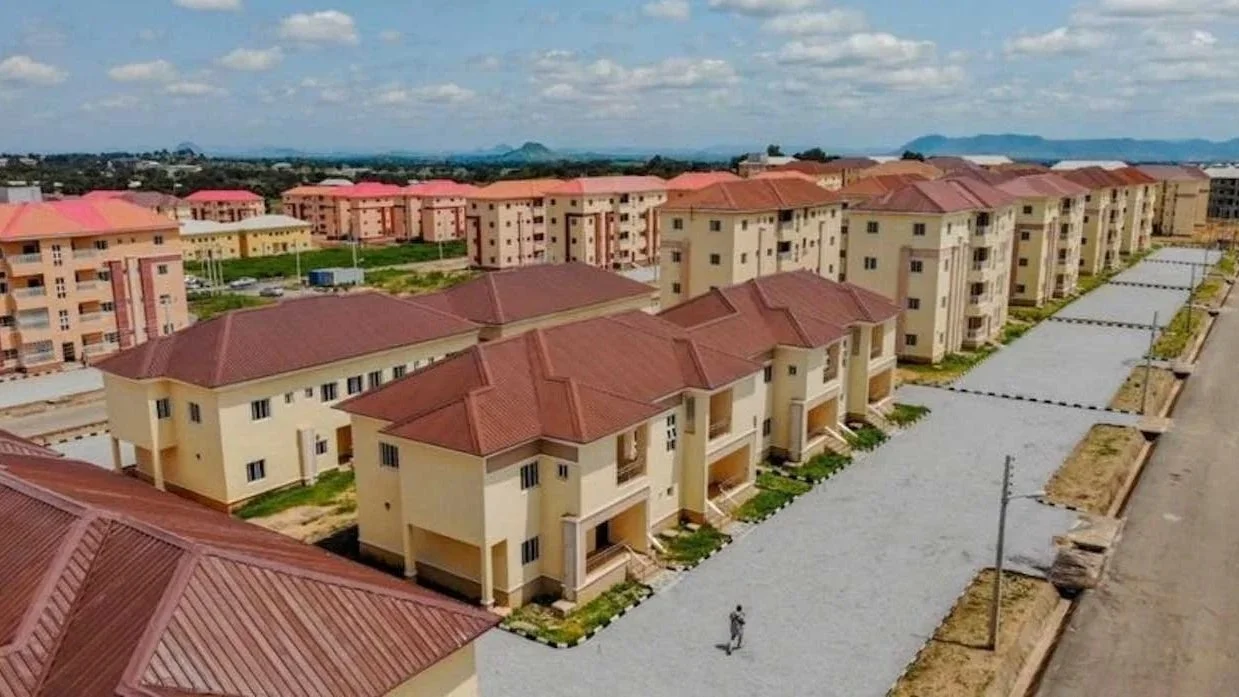

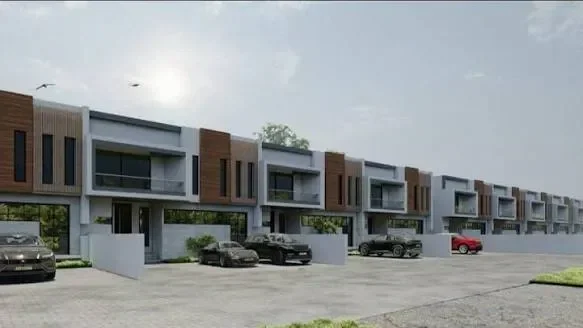
The approvals include the development of 450 two-bedroom semi-detached bungalows with supporting infrastructure, 28 official quarters for lawmakers, 28 sellable duplexes at Ibara Government Reservation Area (GRA) Scheme II, the reconstruction of the Ogun State Governor's Lodge in Asokoro, Abuja, and the rehabilitation of key roads across the state's three senatorial districts. According to the state government, the projects are designed to improve housing delivery, strengthen governance infrastructure and stimulate economic development.
Housing Delivery Takes Centre Stage
The approval of the 450-unit housing scheme represents another milestone in Ogun State's ongoing effort to expand access to decent housing while supporting rapid urbanisation.
According to the government, the development will comprise two-bedroom semi-detached bungalows supported by essential infrastructure, ensuring beneficiaries have access to serviced residential communities rather than standalone housing units. The inclusion of supporting infrastructure reflects an increasing emphasis on integrated housing delivery that combines residential development with roads, drainage and public utilities.
The Executive Council also approved the construction of 28 sellable duplexes at Ibara GRA Scheme II, a project expected to strengthen the value of the estate, attract private investment and increase the supply of quality residential accommodation within the state.
Infrastructure Investments Extend Beyond Housing
Beyond residential development, the Executive Council approved several road rehabilitation projects aimed at improving connectivity and supporting economic activity.
The projects include the reconstruction of the Okun-Owa Ijebu-Ode Road, the Ago-Iwoye Ijebu-Igbo Abraham Adesanya Polytechnic Road, Phase One of the Odeda-Olugbo Road, the Ayobo–Lafenwa Junction Road in Ota and the Agbala Road in Iperu.
The government said these investments will reduce travel times, improve access to markets, schools, healthcare facilities and industrial hubs while opening new areas for residential and commercial development.
Legislative Quarters and Public Assets
The Executive Council also approved the construction of 28 official residential quarters for members of the Ogun State House of Assembly and the reconstruction of the Governor's Lodge in Abuja.
According to the government, many existing public buildings have exceeded their economic lifespan, making reconstruction more cost-effective than continued rehabilitation. The projects form part of a wider urban regeneration programme focused on replacing ageing public infrastructure with modern facilities capable of meeting current governance requirements.
NHM Analysis: Ogun Continues to Build a Scalable Housing Pipeline
The latest approvals reinforce Ogun State's position as one of Nigeria's most active sub-national governments in housing delivery.
Unlike isolated housing projects, the state's approach increasingly combines residential development with transport infrastructure, public facilities and estate services. This integrated planning model is becoming increasingly important as states compete to attract residents, industries and private investment.
The approval also complements Ogun's previously announced ambition to deliver thousands of additional housing units as part of its long-term affordable housing strategy. By expanding both public housing and market-oriented residential developments, the state is diversifying its housing supply across different income segments.
Why This Matters for Investors
For real estate investors and developers, the latest approvals signal continued government commitment to infrastructure-led urban expansion.
Public investment in roads and supporting infrastructure often improves land values, enhances accessibility and creates opportunities for private residential and commercial developments in surrounding communities.
The inclusion of sellable duplexes within Ibara GRA also demonstrates how government-backed projects can stimulate private property markets while generating additional revenue to support future housing initiatives.
Institutional investors will also view sustained infrastructure investment as a positive indicator of the state's long-term urban development strategy, particularly as Ogun continues to benefit from its proximity to Lagos and expanding industrial corridors.
Policy Implications
The approvals align with broader national efforts to reduce Nigeria's housing deficit through increased state participation in housing delivery.
They also demonstrate the growing role of state governments in complementing federal housing initiatives by investing directly in serviced residential developments and enabling infrastructure.
For policymakers, Ogun's approach illustrates the importance of integrating housing delivery with road construction, public facilities and urban regeneration rather than treating housing as a standalone sector.
If sustained, this strategy could strengthen housing affordability, improve urban planning outcomes and encourage greater private-sector participation in residential development.
Outlook
The Executive Council's approvals underscore Ogun State's commitment to combining housing delivery with strategic infrastructure investment. As implementation progresses, the projects are expected to expand formal housing supply, improve urban connectivity and enhance the state's attractiveness for residential, commercial and industrial investment.
For Nigeria's housing sector, the initiative reinforces the growing importance of integrated urban development models that link affordable housing with supporting infrastructure, economic growth and long-term city planning.
READ MORE