Amuwo-Odofin Residents Brace for Months Long Blackout Amid Grid Maintenance
Power Disruption Looms as TCN, Ikeja Electric Begin Substation Upgrade
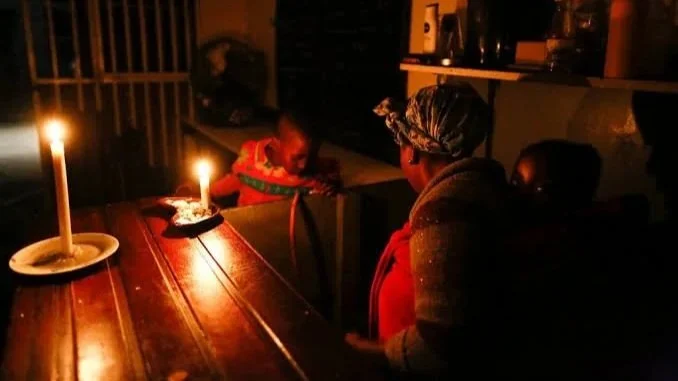
Residents and businesses in the Amuwo-Odofin area of Lagos State may experience a prolonged power outage lasting up to four months due to scheduled maintenance on a 132kV substation. The project, led by the Transmission Company of Nigeria (TCN) in collaboration with Ikeja Electric, is aimed at upgrading critical power infrastructure in the area.
Planned Maintenance and Timeline
According to a statement issued by Ikeja Electric, rehabilitation works on the 132kV Gas Insulated Substation (GIS) at the Amuwo Transmission Station will commence on March 19, 2026, and continue until July 30, 2026.
The extended duration reflects the scale of the upgrade, which involves critical infrastructure improvements designed to enhance system reliability and operational efficiency.
Authorities stated that both TCN and Ikeja Electric will coordinate efforts to minimise disruptions during the maintenance period.
Areas Affected by the Outage
The planned outage is expected to impact several feeders and communities within the Amuwo-Odofin axis.
Affected areas include:
Old Ojo Road and Ijesha Express
Jakande Phase 1 and 2
Amukoko and surrounding districts
Hongxing areas
These locations are served by key distribution lines connected to the substation undergoing maintenance.
/ You Might Also Like /

Infrastructure Upgrade and Expected Benefits
Despite the short-term disruption, the maintenance project is intended to deliver long-term improvements in electricity supply.
Key objectives include:
Strengthening transmission capacity
Improving grid stability
Enhancing reliability of electricity distribution
Reducing the frequency of outages in the affected network
The upgrade aligns with broader efforts to modernise Nigeria’s ageing power infrastructure and address recurring inefficiencies across the electricity value chain.
Broader Context: Nigeria’s Power Challenges
The planned outage comes amid wider instability in Nigeria’s electricity sector, characterised by infrastructure constraints, maintenance requirements, and financial pressures.
Recent data shows that power generation remains significantly below national demand, with operational challenges including gas supply disruptions, equipment maintenance, and liquidity issues across the sector.
In addition, power generation companies continue to face mounting debts, limiting their ability to sustain operations and invest in infrastructure upgrades.
Economic and Social Implications
A four-month blackout presents significant challenges for households and businesses in the affected areas:
Business disruption: SMEs reliant on electricity may face higher operating costs due to generator use
Household impact: Reduced access to power affects daily living conditions
Increased energy costs: Dependence on alternative energy sources such as petrol or diesel generators
For commercial hubs within Amuwo-Odofin, prolonged outages could also affect productivity and local economic activity.
Mitigation Measures
Ikeja Electric has indicated that efforts will be made to reduce the impact of the outage through operational adjustments and customer engagement. However, the nature of the maintenance work suggests that intermittent or prolonged disruptions may be unavoidable.
The company has also apologised to customers and called for cooperation during the upgrade period.
Outlook
While the temporary outage may strain residents and businesses, the successful completion of the substation upgrade could improve long-term electricity reliability in the area.
However, sustained improvements will depend on broader reforms across Nigeria’s power sector, including addressing liquidity constraints, improving gas supply, and strengthening transmission infrastructure.
The planned four-month blackout in Lagos highlights the trade-off between infrastructure maintenance and short-term service disruption.
As Nigeria continues to upgrade its power systems, balancing immediate economic impacts with long-term reliability gains will remain a critical challenge for policymakers and industry operators.
READ MORE