Nigeria Unveils $746m Port Upgrade Deal with UK to Boost Trade Efficiency

UK-Nigeria Partnership Drives $746m Seaport Modernisation Project
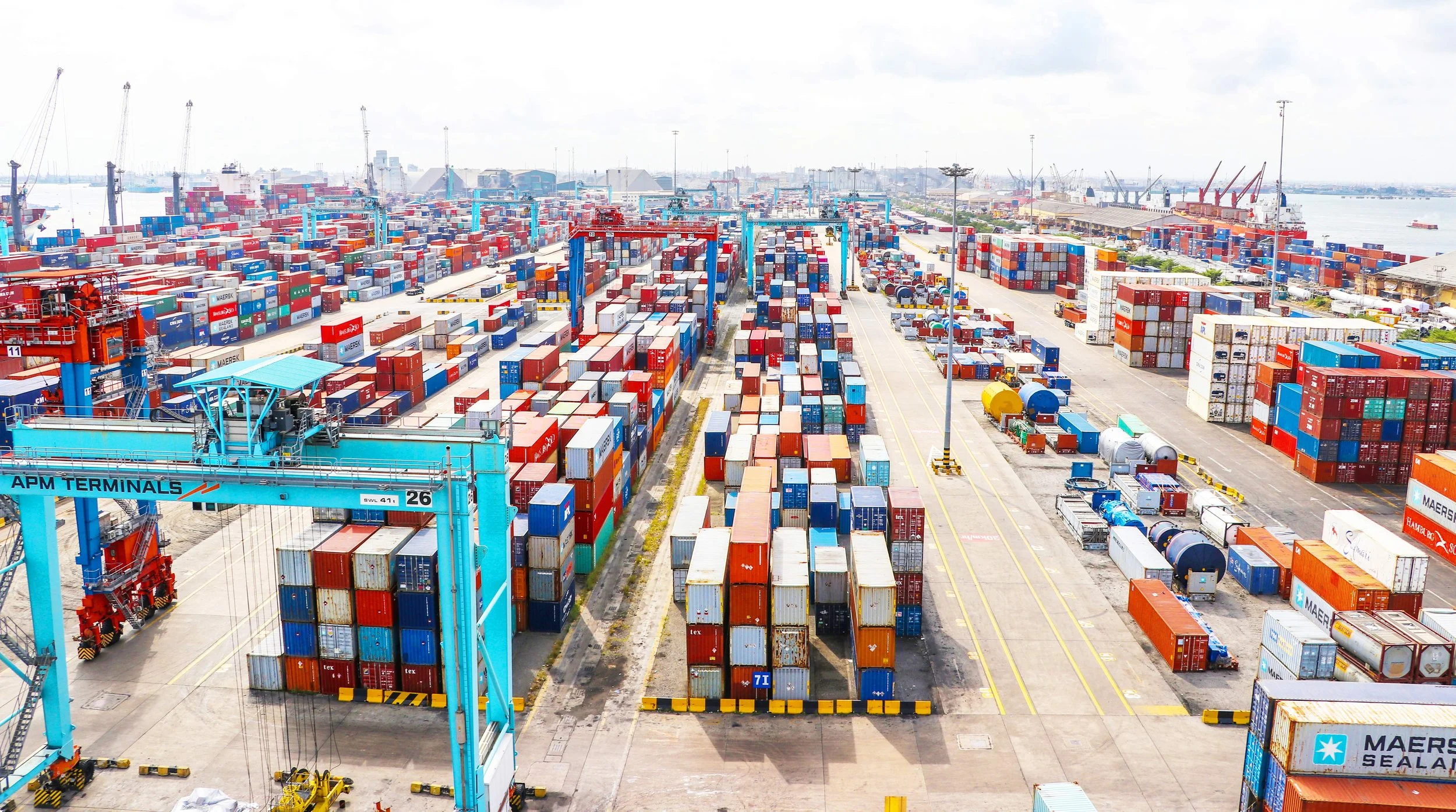
The Federal Government has secured a £746m (approximately $746m) financing agreement with the United Kingdom to modernise Nigeria’s key seaports, marking the most significant upgrade of the country’s maritime infrastructure in nearly five decades. The deal targets the overhaul of Lagos’ Apapa and Tin Can Island ports, which together handle over 70% of Nigeria’s imports and exports.
Landmark Deal to Transform Core Trade Infrastructure
The financing arrangement, backed by UK Export Finance (UKEF), will fund a comprehensive upgrade of the Lagos Port Complex (Apapa) and Tin Can Island Port Complex. These ports serve as the backbone of Nigeria’s maritime trade and logistics network.
According to the Ministry of Marine and Blue Economy, the agreement represents the first large-scale modernisation of these facilities since their establishment.
The deal is scheduled to be formally signed during President Bola Ahmed Tinubu’s state visit to London, reinforcing economic cooperation between Nigeria and the United Kingdom.
Scope of Modernisation
The project will introduce advanced infrastructure and operational upgrades designed to align Nigeria’s ports with global standards. Key components include:
Deployment of modern cargo-handling equipment
Expansion of port capacity
Integration of digital and automated systems
Replacement of manual, paper-based processes
These improvements aim to eliminate longstanding inefficiencies that have hindered cargo movement and increased logistics costs.
Efficiency Gains and Trade Impact
Authorities expect the modernisation to significantly improve port performance metrics, including:
Reduced vessel turnaround time
Lower cargo dwell time
Faster clearance of imports and exports
Improved transparency and operational reliability
For businesses, particularly importers and exporters, these changes could lower demurrage costs and enhance supply chain efficiency.
The reforms are also expected to ease congestion at Nigeria’s busiest ports, a longstanding constraint on trade competitiveness.
Strategic Importance for Nigeria’s Economy
The port upgrade forms a central pillar of Nigeria’s broader strategy to unlock the economic potential of its marine and blue economy.
Efficient ports are critical to:
Facilitating international trade
Supporting industrial growth
Attracting foreign investment
Enhancing regional competitiveness
By modernising its primary maritime gateways, Nigeria aims to strengthen its position as a trade hub for West and Central Africa.
Strengthening Nigeria-UK Economic Relations
The agreement reflects deepening economic ties between Nigeria and the United Kingdom, particularly in infrastructure financing and trade facilitation.
The partnership underscores a shared commitment to:
Sustainable infrastructure development
Increased bilateral trade
Investment in critical economic sectors
It also signals growing international confidence in Nigeria’s infrastructure development agenda.
/ You Might Also Like /



Investment and Policy Implications
For investors and policymakers, the deal highlights several key trends:
Increased reliance on export credit financing for large-scale infrastructure
Growing focus on logistics efficiency as a driver of economic growth
Rising importance of public-private and international partnerships
Improved port infrastructure is expected to have multiplier effects across sectors, including manufacturing, agriculture, and trade logistics.
Outlook
Successful implementation will depend on execution efficiency, institutional coordination, and sustained policy support.
If delivered as planned, the modernisation could significantly reduce bottlenecks in Nigeria’s trade ecosystem and improve ease of doing business rankings.
The $746m UK-backed port modernisation deal represents a transformative step in Nigeria’s infrastructure development strategy.
By upgrading its busiest seaports, Nigeria is positioning itself to enhance trade efficiency, attract investment, and strengthen its role as a regional maritime hub.
READ MORE