Kaduna Widows Benefit from Housing Estate as Occupancy Rises
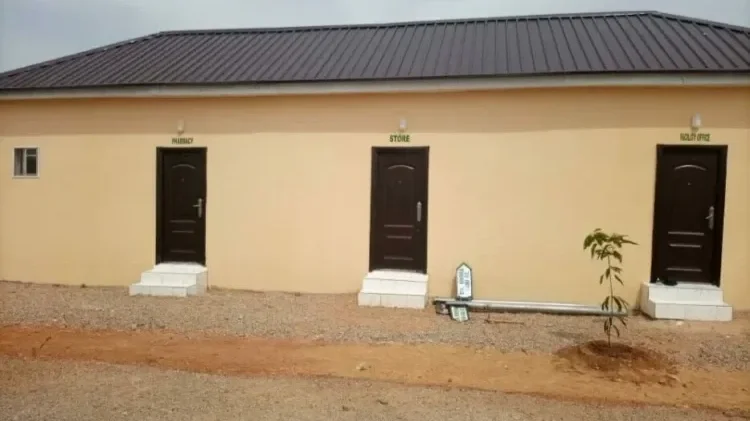
Social Housing Initiative Boosts Welfare for Widows in Kaduna State
A social housing initiative in Kaduna State is beginning to deliver measurable impact, as widows resettle in a purpose-built housing estate designed to improve living conditions for vulnerable women. The project, located in Rigachikun, Igabi Local Government Area, provides free accommodation to beneficiaries under a government-backed housing scheme.
Developed through a collaboration involving the Family Homes Funds and partner organisations, the estate aims to address both housing deficits and social welfare gaps affecting widows and low-income households.
/ You Might Also Like /




Rising Occupancy After Initial Challenges
Although 100 housing units were allocated to beneficiaries in late 2025, early occupancy remained low due to concerns over security and infrastructure. Many beneficiaries delayed relocation, citing fears about safety and poor access roads.
Estate managers have since addressed these issues through enhanced security deployment, community engagement, and infrastructure improvements. As a result, occupancy levels have risen significantly, with more than 65 units now inhabited and additional residents expected to move in.
Improved Living Standards and Social Impact
The housing estate provides two-bedroom flats equipped with essential services, including water supply, electricity, and solar-powered lighting. The improved living environment marks a significant upgrade for many beneficiaries, who previously lived in overcrowded or substandard conditions.
Residents report tangible improvements in quality of life, including enhanced safety, stability, and access to basic amenities. Some beneficiaries have described the initiative as transformative, highlighting its role in restoring dignity and enabling economic and social mobility.
Model for Targeted Social Housing Delivery
The Kaduna widows’ estate reflects a targeted approach to housing delivery, focusing on vulnerable demographics rather than broad-based supply expansion. The project aligns with Nigeria’s wider housing policy objectives, which include reducing the national housing deficit while improving inclusivity.
By integrating housing provision with social welfare goals, the initiative demonstrates how public-private collaboration can deliver measurable outcomes in underserved segments. The involvement of development finance institutions and community-based organisations has been central to project execution.
Implementation Lessons and Policy Considerations
The initial slow uptake highlights key challenges in social housing delivery, including trust deficits, security concerns, and infrastructure gaps. Addressing these issues required active engagement with beneficiaries and targeted interventions to build confidence.
For policymakers, the experience underscores the importance of complementing housing provision with supporting infrastructure and security frameworks. Without these elements, even well-designed housing projects may struggle to achieve full utilisation.
Outlook
The Kaduna widows’ housing estate represents a scalable model for addressing housing inequality through targeted interventions. While the project’s scale remains limited relative to national demand, its impact on beneficiaries demonstrates the potential of structured social housing programmes.
For investors and policymakers, the initiative highlights the value of integrated housing strategies that combine affordability, infrastructure, and social support systems. Sustained replication and expansion of similar models will be critical to addressing Nigeria’s broader housing deficit while improving outcomes for vulnerable populations.
READ MORE