FirstBank, Finance Ministry Expand Homeownership Access Through 9.75% Mortgage Scheme
9.75% Mortgage Financing Initiative Targets Nigeria’s Housing Affordability Gap
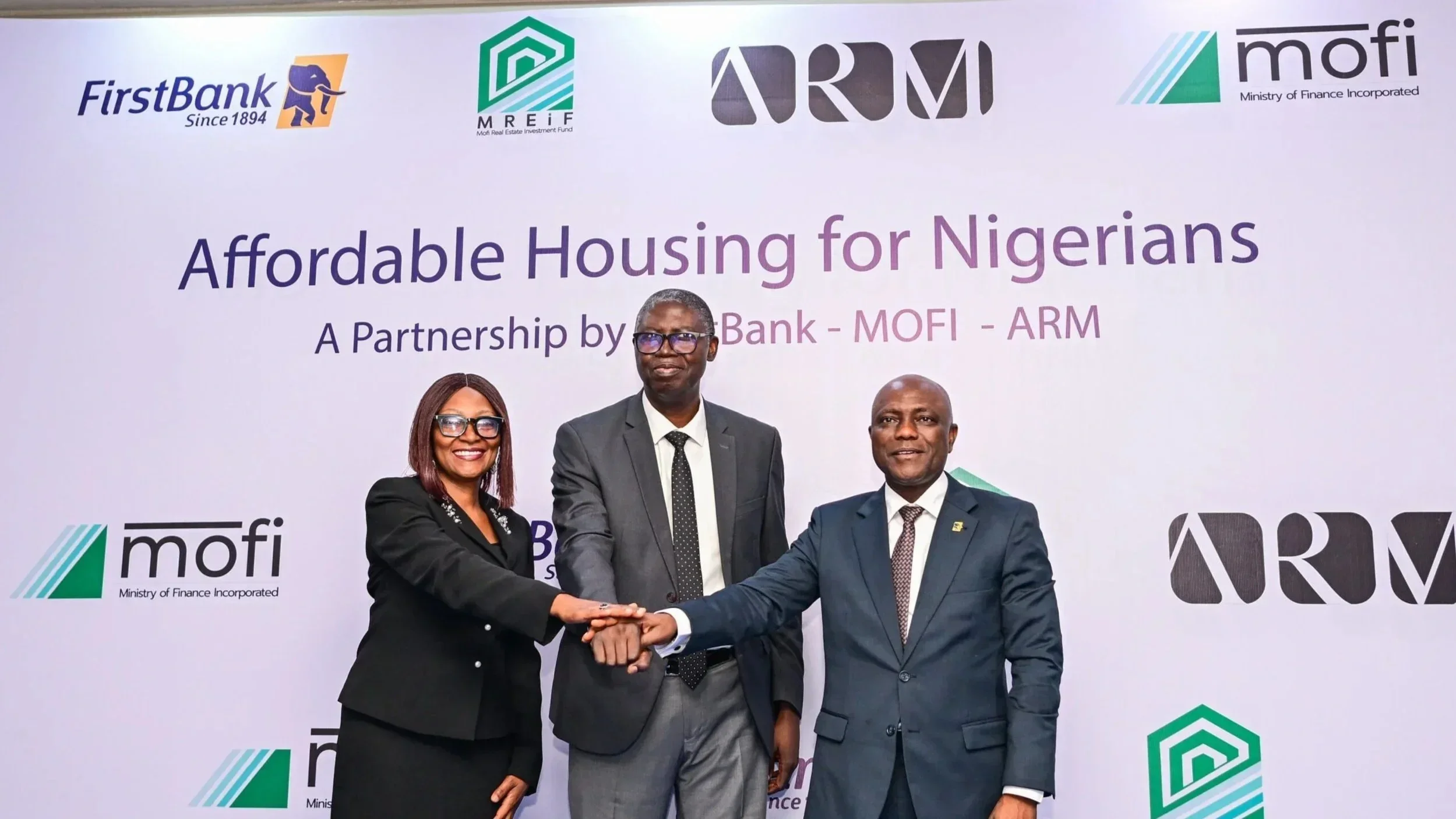
FirstBank has partnered with the Ministry of Finance Incorporated Real Estate Investment Fund (MREIF) to expand access to affordable homeownership through a mortgage financing programme offering loans at a 9.75% interest rate. The initiative is designed to address longstanding barriers to housing finance by providing eligible Nigerians with access to long-term, lower-cost mortgage facilities. The programme forms part of broader efforts to deepen the country’s mortgage market, stimulate residential development and improve housing affordability. As Nigeria continues to grapple with a significant housing deficit, stakeholders view affordable mortgage financing as a critical tool for increasing homeownership and supporting sustainable growth in the housing sector.
/ You Might Also Like /




Partnership Targets Housing Finance Accessibility
The collaboration between FirstBank and MREIF aims to provide more Nigerians with access to affordable mortgage financing, a segment that has historically remained underdeveloped due to high borrowing costs and limited long-term funding options.
Under the scheme, eligible applicants can access mortgage financing at a fixed interest rate of 9.75%, significantly below prevailing commercial lending rates. The initiative is expected to improve affordability for middle-income earners and prospective homeowners seeking long-term financing solutions.
Stakeholders believe the programme could help bridge the gap between housing demand and access to finance, which remains one of the biggest obstacles to homeownership in Nigeria.
Supporting Affordable Homeownership
Access to affordable housing finance continues to be a major challenge across the country. Conventional mortgage products often carry higher interest rates and shorter repayment periods, making homeownership unattainable for many households.
The new financing arrangement seeks to address these challenges by offering more favourable lending terms. By lowering borrowing costs, the programme is expected to make mortgage repayments more manageable for qualified beneficiaries.
Housing experts have consistently identified affordable mortgage financing as a key requirement for expanding homeownership and reducing pressure on the rental market.
The initiative aligns with ongoing efforts to create sustainable pathways to property ownership for working Nigerians.
Strengthening Nigeria’s Mortgage Market
Nigeria’s mortgage penetration remains among the lowest globally, with housing finance accounting for only a small portion of total credit within the financial system.
Industry analysts argue that expanding access to long-term, single-digit mortgage products is essential for developing a more robust housing finance ecosystem. Programmes such as the FirstBank-MREIF partnership can help attract greater participation from both homebuyers and financial institutions.
A stronger mortgage market can also support residential construction by increasing the pool of qualified homebuyers and encouraging investment in housing developments.
The initiative represents another step toward broadening access to structured housing finance products.
Implications for the Housing Sector
The availability of lower-cost mortgage financing is expected to have positive implications for housing development and property investment.
Increased mortgage accessibility can stimulate demand for housing, encourage new residential developments and create opportunities across the construction value chain. Developers may benefit from a larger market of qualified buyers, while prospective homeowners gain access to more affordable financing options.
The programme also supports broader government efforts to reduce Nigeria’s housing deficit by improving the financial mechanisms available for home acquisition.
Housing stakeholders view mortgage accessibility as a critical component of long-term housing sector growth.
Financial Inclusion and Economic Impact
Beyond housing delivery, expanded mortgage financing can contribute to broader economic development.
Homeownership is often linked to wealth creation, financial stability and long-term asset accumulation. By making mortgages more accessible, the initiative could help more households build equity while supporting economic activity in related sectors such as construction, building materials and professional services.
Financial inclusion experts note that increasing access to formal housing finance can strengthen participation in the broader financial system and promote sustainable economic growth.
The programme is therefore expected to generate benefits beyond the housing sector itself.
Public-Private Collaboration in Housing Finance
The partnership highlights the growing role of collaboration between government-backed institutions and financial service providers in addressing housing challenges.
MREIF was established to mobilise long-term capital for housing finance and support affordable homeownership initiatives across the country. Through partnerships with financial institutions such as FirstBank, the fund aims to expand the reach of mortgage products and improve access to housing finance.
Industry observers note that public-private partnerships remain essential for scaling housing delivery and addressing financing gaps within the sector.
The success of such initiatives could encourage additional investment into housing finance programmes.
Conclusion
The partnership between FirstBank and the Ministry of Finance Incorporated Real Estate Investment Fund represents a significant development in Nigeria’s housing finance landscape. By offering mortgage financing at a 9.75% interest rate, the initiative seeks to make homeownership more accessible and affordable for a larger segment of the population.
As demand for housing continues to grow, affordable mortgage products will play an increasingly important role in supporting homeownership, stimulating residential development and strengthening the housing market. For policymakers, financial institutions and developers, the programme underscores the importance of innovative financing solutions in addressing Nigeria’s housing deficit and expanding access to quality housing.
READ MORE