Infrastructure Investment Positions Lagos Free Trade Zone for New Capital Inflows
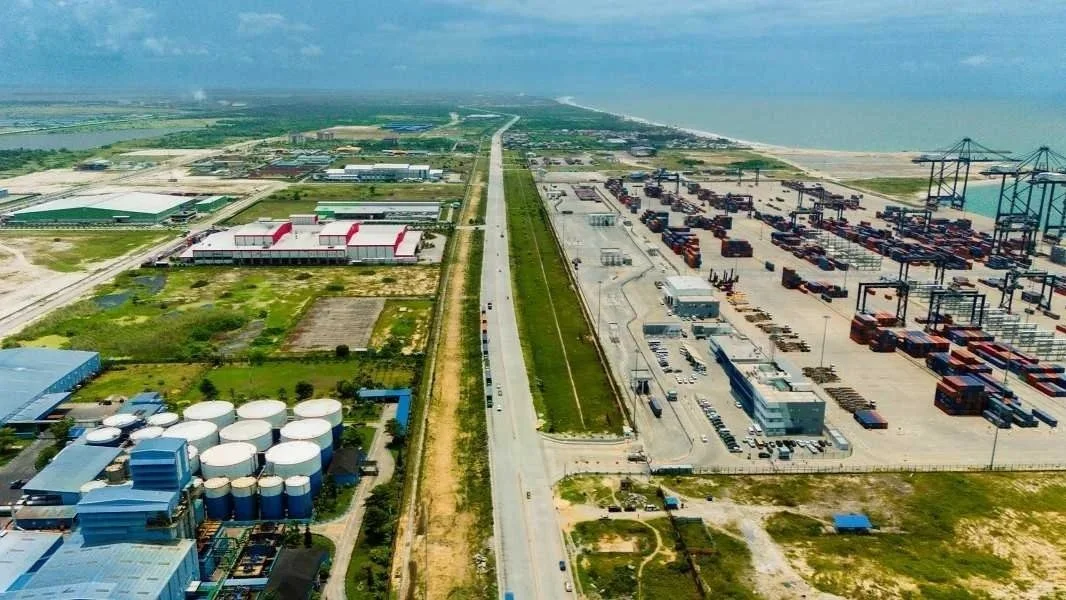
Lagos Trade free Zone
Strategic infrastructure investments are strengthening the Lagos Free Trade Zone (LFTZ) as a leading destination for industrial and real estate investment, with industry stakeholders noting that continued improvements in transport, logistics and utilities are creating the conditions for increased domestic and foreign capital inflows. The evolving investment environment is expected to support manufacturing, logistics, commercial property development and long-term economic growth within one of Nigeria's most important industrial corridors.
/ You Might Also Like /




Stakeholders say sustained public and private investment in critical infrastructure—including roads, power supply, port facilities and logistics networks—is enhancing the competitiveness of the LFTZ and improving investor confidence. These developments are positioning the zone to attract businesses seeking efficient production, export and distribution platforms within West Africa.
Infrastructure Drives Investment Confidence
Infrastructure remains one of the most important factors influencing investment decisions, particularly for manufacturing and industrial businesses. Improved transport links, reliable utilities and modern logistics facilities reduce operating costs and improve supply chain efficiency, making industrial zones more attractive to investors.
The Lagos Free Trade Zone has benefited from major infrastructure projects in recent years, including the Lekki Deep Sea Port, ongoing highway improvements and expanded industrial facilities. Together, these investments have enhanced connectivity between manufacturers, suppliers and export markets while supporting broader economic activity across the Lekki corridor.
Industrial Growth Creates Real Estate Opportunities
The expansion of industrial activity within the LFTZ is expected to stimulate demand for a wide range of real estate assets. Increased investment in manufacturing and logistics typically generates demand for warehouses, industrial facilities, office developments, staff housing and supporting commercial infrastructure.
As businesses establish operations within the zone, surrounding communities are also expected to experience increased demand for residential developments, retail centres, hospitality facilities and social infrastructure. This creates opportunities for developers seeking to invest in mixed-use and industrial property projects linked to the zone's long-term growth.
Industry analysts note that infrastructure-led development often serves as a catalyst for higher land values and accelerated urban expansion, particularly in strategic economic corridors with strong government support.
Capital Inflows Depend on Long-Term Infrastructure
While Nigeria has recorded stronger capital inflows in recent months, economists continue to emphasise that sustained investment in productive infrastructure is essential to attracting long-term foreign direct investment rather than short-term portfolio flows.
According to recent economic analyses, reliable infrastructure, regulatory certainty and an improved business environment remain critical factors influencing investment decisions. Industrial zones such as the Lagos Free Trade Zone demonstrate how targeted infrastructure investment can improve competitiveness and create favourable conditions for productive capital.
Implications for Nigeria's Housing and Property Market
The continued development of the Lagos Free Trade Zone has important implications for Nigeria's housing sector. As employment opportunities and industrial activity increase, demand for residential accommodation, commercial developments and supporting urban infrastructure is expected to rise across the Lekki-Epe growth corridor.
For developers and investors, the expanding industrial ecosystem presents opportunities to deliver housing, logistics facilities and commercial projects that support the area's growing workforce and business community. Improved infrastructure also enhances land accessibility and can increase property values over the medium to long term.
Conclusion
The Lagos Free Trade Zone continues to demonstrate the critical role of infrastructure in attracting investment and supporting sustainable economic development. As government and private sector investments improve connectivity, logistics and industrial capacity, the zone is becoming increasingly attractive to manufacturers, developers and institutional investors. For Nigeria's housing and real estate sector, this infrastructure-led growth is expected to generate new opportunities for property development, urban expansion and long-term capital investment.
READ MORE