Tinubu Approves ₦3.9 Trillion Road Projects Across 15 States

Nigeria Advances Road Infrastructure with ₦3.9 Trillion Investment
President Bola Tinubu has approved road infrastructure projects valued at approximately ₦3.9 trillion across 15 states, marking one of the Federal Government's largest infrastructure commitments in recent years. The projects are expected to improve national connectivity, reduce transport costs, stimulate economic activity and support housing and urban development by opening new growth corridors across the country.
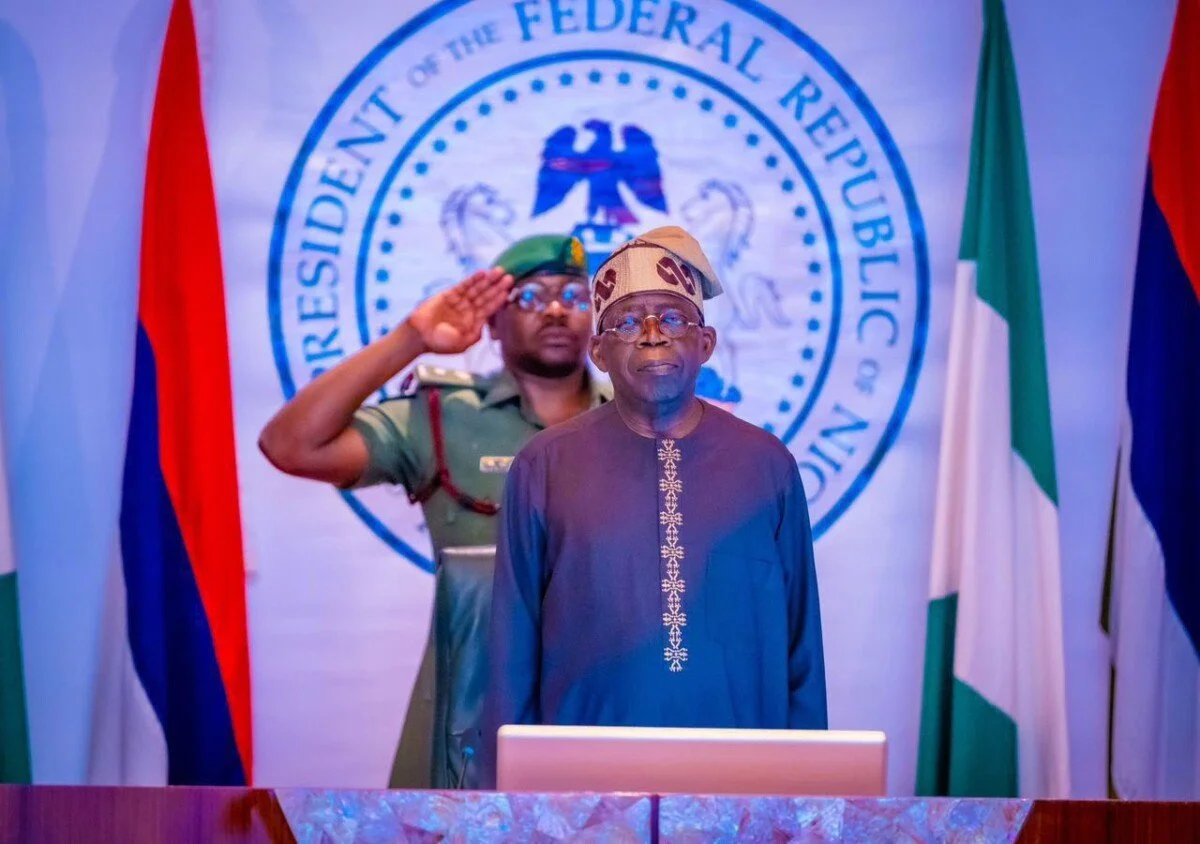
The approvals were announced following the Federal Executive Council (FEC) meeting chaired by the President. According to the Minister of Works, Senator David Umahi, the projects form part of the administration's broader strategy to modernise Nigeria's transport infrastructure, strengthen interstate connectivity and accelerate economic development through strategic capital investment.
/ You Might Also Like /




Major Road Projects Approved
The approved projects cover multiple geopolitical zones and include the construction, rehabilitation and dualisation of key federal highways linking commercial centres, industrial hubs and agricultural communities.
According to the Ministry of Works, the programme is designed to improve the movement of goods and people while reducing travel time, vehicle operating costs and logistics bottlenecks that have constrained economic productivity.
The projects will also enhance access to emerging industrial corridors and improve connectivity between urban and rural communities, supporting regional integration and balanced national development.
Infrastructure to Support Economic Growth
The Federal Government said improved road infrastructure remains central to its economic agenda, noting that efficient transport networks are critical to trade, investment and job creation.
Road construction is expected to generate employment opportunities during implementation while strengthening supply chains across manufacturing, agriculture, logistics and commerce. Better transport infrastructure is also expected to improve market access for businesses and encourage private sector investment.
Implications for Housing and Real Estate
For Nigeria's housing sector, the extensive road programme could significantly influence urban expansion and property development.
Improved highway connectivity typically increases land accessibility, encourages new residential and commercial developments and raises the attractiveness of previously underserved locations. Developers often follow major infrastructure investments by expanding housing projects into newly connected areas where demand is expected to increase.
The projects may also stimulate investment in satellite towns and peri-urban communities, helping to ease development pressure on major cities while supporting more balanced urban growth.
In addition, improved road infrastructure lowers transportation costs for construction materials and equipment, potentially improving project delivery efficiency across the real estate sector.
Construction Sector Expected to Benefit
The large-scale investment is expected to provide a significant boost to Nigeria's construction industry through increased demand for contractors, engineering firms, building materials, equipment suppliers and professional services.
Industry stakeholders have consistently argued that sustained public infrastructure investment creates multiplier effects across the economy by supporting employment, manufacturing and private investment.
Challenges to Implementation
While stakeholders welcomed the approvals, attention is expected to shift toward project execution, funding availability and timely delivery.
Previous infrastructure programmes have faced delays linked to funding constraints, inflation, rising construction costs and land acquisition issues. Analysts note that effective contract management, transparent procurement and consistent funding will be critical to achieving the expected economic benefits.
Conclusion
The approval of ₦3.9 trillion in road projects across 15 states underscores the Federal Government's continued focus on infrastructure-led economic development. Beyond improving transportation, the programme is expected to strengthen housing delivery, expand property investment opportunities, enhance regional connectivity and support long-term urban growth, provided implementation remains on schedule.
READ MORE