Dangote Refinery Rules Out Overseas Listing for at Least Three Years
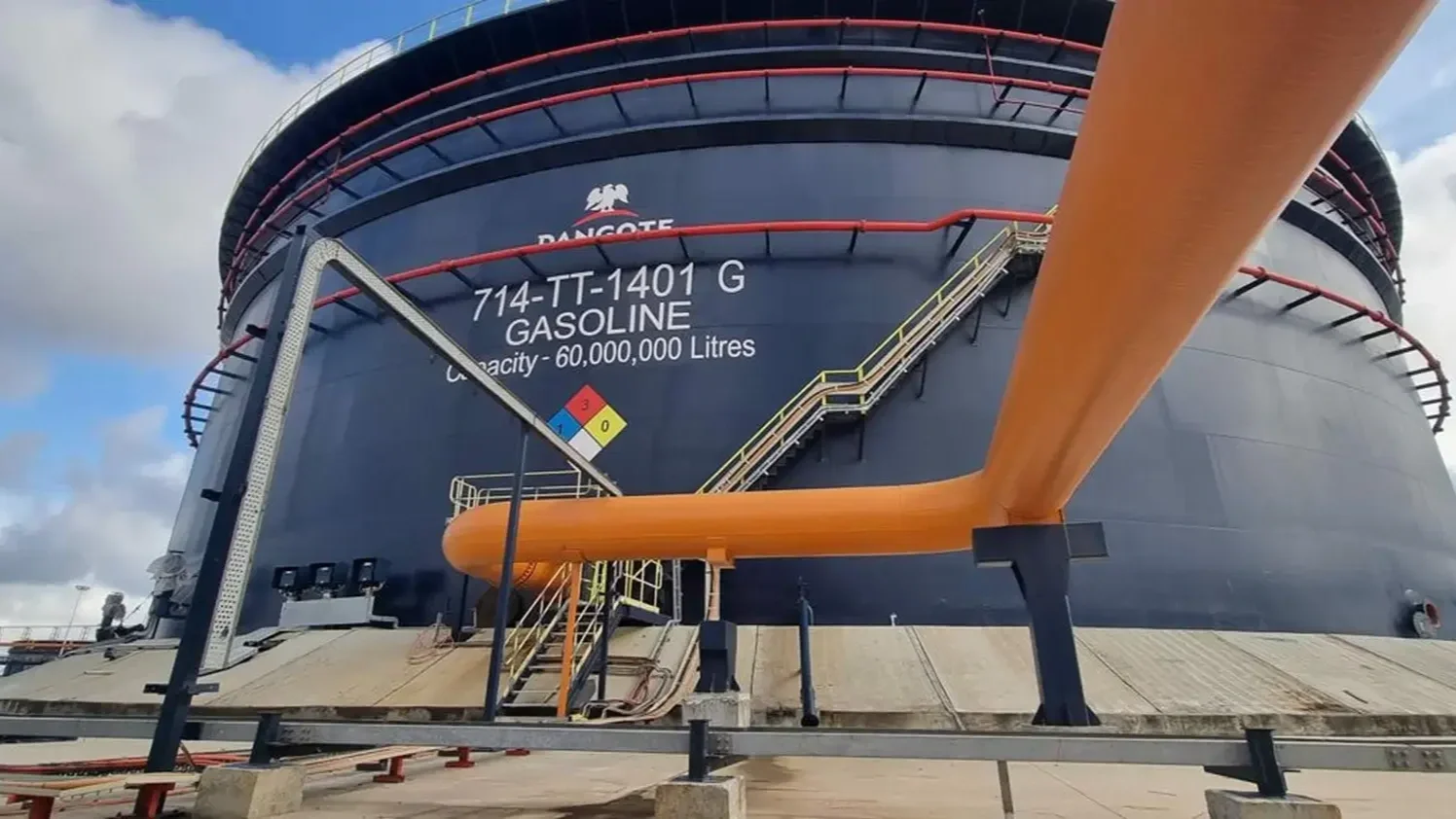
Dangote Refinery prioritises Nigerian listing
Dangote Petroleum Refinery has ruled out an overseas stock market listing for at least three years as it prioritises a planned Nigerian initial public offering (IPO) and seeks to establish a stronger operating and financial track record.
The refinery’s Chief Executive Officer, David Bird, disclosed the timeline in an interview with Reuters as the company prepares for a potential $5 billion IPO in Nigeria, which could become the largest stock market listing in Africa. The offering is expected to conclude by October 2026 and is designed to broaden Nigerian participation in the refinery’s growth.
/ You Might Also Like /




Dangote prioritises Nigerian IPO
Bird said the refinery wants to build at least three years of proven production and financial performance before considering an overseas listing.
London has previously emerged as a possible future listing venue, but the company now plans to focus on its Nigerian listing before pursuing access to international capital markets.
The decision places the Nigerian Exchange at the centre of Dangote Refinery’s immediate capital-market strategy.
Bird said the objective of the planned IPO is to encourage broad participation, describing it as a “people’s IPO”.
IPO could raise $5 billion
Dangote Petroleum Refinery is targeting a $5 billion IPO, although the final size remains subject to the outcome of the offering process.
The planned listing follows a $2.5 billion private placement recently completed by the company. The transaction attracted strong demand from African and international institutional investors and valued the refinery at about $40 billion, according to Reuters.
The IPO is expected to provide additional capital for the company's expansion programme while increasing public ownership of the refinery.
Refinery plans to double capacity
The planned listing comes as Dangote Refinery prepares for a major expansion of its production capacity.
The company aims to increase refining capacity from its current 650,000 barrels per day to 1.4 million barrels per day within the next three years.
Bird said the expansion will require substantially less capital than the roughly $20 billion invested in building the original refinery. The company plans to finance the expansion through a combination of IPO proceeds and debt.
The expansion would position the refinery as an even larger supplier of refined petroleum products to Nigeria and international markets.
Strong domestic demand supports local listing strategy
Bird said the refinery compares favourably with refining assets in the United States because of its access to local crude supplies, strong domestic demand and integrated refining and petrochemical operations.
The refinery currently supplies most of Nigeria's gasoline and diesel requirements and all of the country's jet fuel demand, according to Nairametrics and Reuters.
It has also expanded exports across Africa and into Europe, strengthening its position as a regional refining and petrochemical hub.
International expansion remains part of the longer-term strategy
Although Dangote has ruled out an overseas listing for at least three years, the company has not abandoned the possibility of accessing international capital markets.
The decision to wait for a longer operating history reflects the company's expectation that stronger production and financial results could support a higher valuation when it eventually approaches foreign investors.
The refinery had previously been linked to potential listings on multiple African exchanges, following discussions between Dangote and the heads of several African stock exchanges.
The latest position therefore represents a shift towards establishing a stronger domestic market presence before pursuing a cross-border listing.
IPO could deepen Nigeria's capital market
The planned IPO could have broader implications for Nigeria's capital market if it attracts significant participation from retail and institutional investors.
A large listing would increase the number and value of major industrial assets available to investors through the Nigerian Exchange. It could also provide a significant new investment opportunity for pension funds, asset managers and individual investors seeking exposure to Nigeria's energy and industrial sectors.
For the government, a successful listing could also demonstrate the capacity of Nigeria's domestic capital market to support large-scale private-sector infrastructure and industrial investments.
Expansion could strengthen industrial activity
The refinery's expansion could also have implications beyond the petroleum market.
Greater refining and petrochemical capacity could support additional industrial activity around the Lekki corridor, particularly in logistics, manufacturing, storage and related services.
An expanded refinery operation could increase demand for industrial facilities, warehousing, transportation services and supporting infrastructure as production and exports grow.
For the wider property market, continued industrial expansion around the Lekki Free Zone could contribute to demand for commercial and residential developments serving workers, businesses and logistics operators.
Local ownership could broaden investor participation
The decision to prioritise a Nigerian IPO also creates an opportunity to increase domestic ownership of one of the country's largest industrial assets.
If the offering achieves broad retail participation, more Nigerians could gain direct exposure to the financial performance of the refinery without investing through private markets.
However, the scale of retail participation will depend on the final IPO structure, valuation, minimum subscription requirements and market conditions at the time of the offering.
Outlook
Dangote Refinery's decision to delay any overseas listing for at least three years places Nigeria's capital market at the centre of its immediate funding strategy.
The planned $5 billion IPO, combined with the recent $2.5 billion private placement, could provide significant capital for the refinery's expansion towards 1.4 million barrels per day while widening domestic ownership.
For Nigeria's investment and property markets, the development extends beyond the proposed share sale. Continued expansion of the refinery and associated industrial activity could strengthen the Lekki corridor's position as a major economic hub, potentially creating further demand for logistics, commercial and residential property as the industrial ecosystem expands.
READ MORE