Kwara Authorities Issue Safety Warning After Ilorin Building Collapse
Ilorin Collapse Underscores Risks of Non-Compliant Building Practices
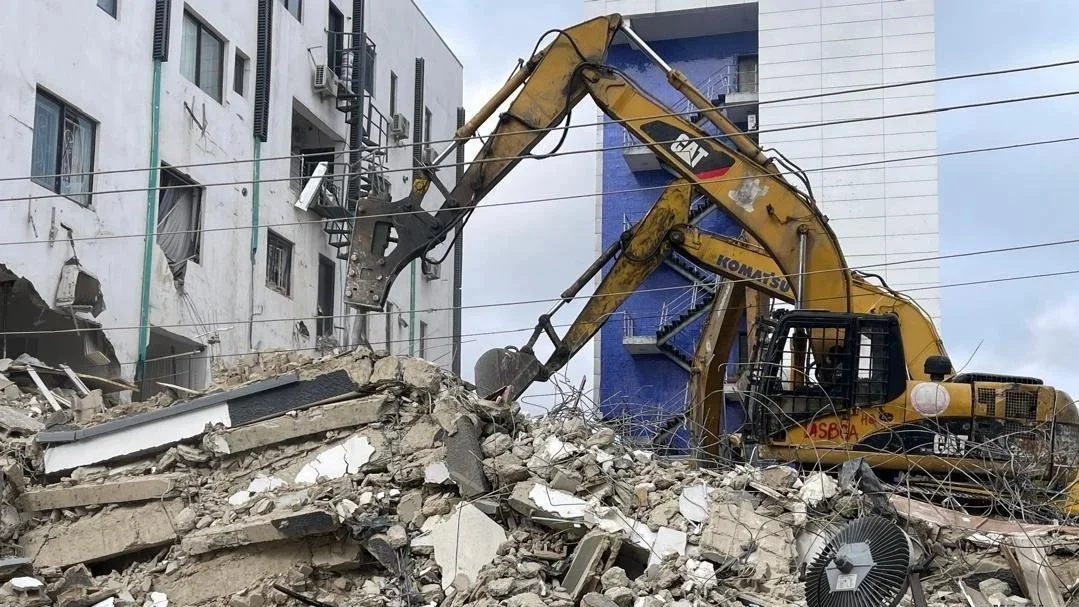
A building collapse in Ilorin, Kwara State, has prompted renewed scrutiny of construction standards after two children were rescued alive from the debris. State authorities have issued a strong warning to developers and property owners, emphasising strict compliance with structural safety regulations to prevent future incidents.
Incident Overview
The collapse occurred in a residential area of Ilorin, the Kwara State capital, drawing an immediate response from emergency services and local authorities. Rescue teams successfully extracted two children alive, underscoring both the urgency of the situation and the effectiveness of rapid response efforts.
/ You Might Also Like /




Officials have not confirmed fatalities at the time of reporting, but the incident has intensified concerns about the structural integrity of buildings across the state. Authorities have begun preliminary investigations to determine the cause of the collapse.
Regulatory Response and Safety Warning
Kwara State authorities have responded by issuing a direct warning to developers, builders, and property owners regarding adherence to approved construction standards. The government stressed that all building projects must comply with regulatory approvals, proper engineering design, and material quality requirements.
Officials highlighted that failure to follow established guidelines increases the risk of structural failure, particularly in rapidly urbanising areas where informal construction practices remain prevalent.
According to state regulators, enforcement mechanisms will be strengthened to ensure compliance, including site inspections and penalties for violations.
Structural Integrity and Systemic Risks
The Ilorin incident reflects broader challenges within Nigeria’s construction and housing sectors. Weak regulatory enforcement, the use of substandard materials, and inadequate professional oversight continue to pose systemic risks.
Industry experts note that building collapses often result from a combination of factors, including:
Poor structural design or absence of qualified engineers
Use of low-quality construction materials
Non-compliance with approved building plans
Lack of routine inspection during construction phases
These risks carry significant implications not only for public safety but also for investor confidence in the real estate sector.
Implications for Housing Policy and Urban Development
For policymakers, the collapse reinforces the need to strengthen institutional frameworks governing construction. Effective monitoring systems, transparent approval processes, and accountability mechanisms remain critical to improving compliance.
Urban expansion in cities like Ilorin has increased demand for housing, often outpacing regulatory capacity. This imbalance creates opportunities for unsafe construction practices to proliferate.
Stakeholders in the housing sector including developers, financiers, and regulators must prioritise structural integrity as a core component of sustainable urban development.
Emergency Response and Public Safety
The successful rescue of the two children highlights the importance of coordinated emergency response systems. However, authorities emphasise that prevention remains the most effective strategy.
Public awareness campaigns may play a role in educating residents about the risks associated with unapproved or poorly constructed buildings, particularly in densely populated areas.
Conclusion
The Ilorin building collapse serves as a critical reminder of the consequences of weak compliance in construction practices. While the rescue of two children represents a positive outcome, the incident underscores the urgent need for stricter enforcement of building regulations in Kwara State and across Nigeria.
Looking ahead, sustained regulatory vigilance, professional accountability, and investment in safe construction practices will be essential to reducing structural failures and supporting long-term stability in the housing sector.
READ MORE