Housing Firm Backs FG Reforms, Calls for Sustainable Construction Finance
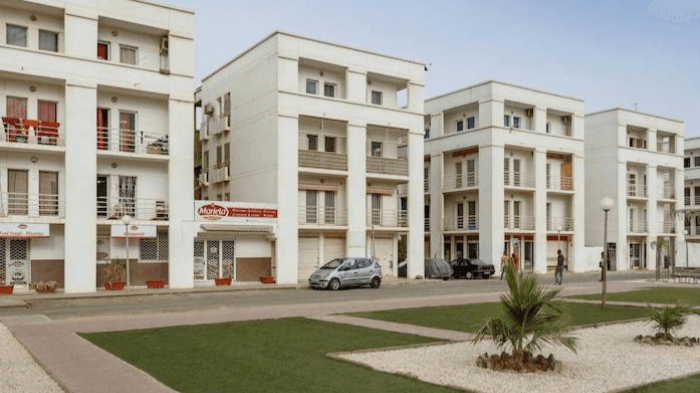
Sustainable Finance Key to Nigeria’s Housing Delivery, Firm Tells FG
A housing firm has expressed support for the Federal Government’s ongoing housing reforms while urging greater access to sustainable construction finance to strengthen housing delivery and improve the quality of developments across Nigeria.
The firm said Nigeria’s housing challenge requires coordinated reforms that address not only the volume of homes being built but also affordability, financing, construction standards and environmental sustainability.
/ You Might Also Like /




Its position comes as the Federal Government continues to pursue measures aimed at expanding housing supply and improving access to homeownership amid rising construction costs and a significant housing deficit.
Sustainable Finance Seen as Critical to Housing Delivery
The firm argued that access to long-term and affordable financing remains one of the major constraints limiting housing development in Nigeria.
Developers require substantial capital to acquire land, fund infrastructure, purchase construction materials and complete projects before recovering their investment through property sales.
High interest rates and short repayment periods can increase development costs and make it difficult for developers to deliver homes at prices that households can afford.
The firm therefore called for financing structures that support longer-term investment and encourage developers to adopt sustainable construction practices.
Housing Reform Needs Stronger Financing Support
Government housing reforms can create a stronger regulatory and institutional environment, but financing remains essential for translating policy into physical housing supply.
A more effective housing finance system could provide developers with access to patient capital while giving prospective homeowners longer repayment periods.
For the housing market, this could improve the connection between housing demand and actual delivery.
Without adequate financing, developers may continue to rely heavily on upfront payments from buyers, limiting the scale and pace of new housing projects.
Construction Costs Continue to Challenge Developers
Nigeria's housing sector continues to face significant cost pressures.
Prices of cement, steel, roofing materials, electrical components and other building inputs have risen sharply in recent years, while energy, transportation and labour costs have added further pressure.
These increases have made it increasingly difficult to deliver affordable homes without reducing developers' margins or passing higher costs on to buyers.
The firm said sustainable financing could help developers adopt more efficient construction methods while managing the upfront costs associated with improved materials and technologies.
Sustainable Construction Can Reduce Long-Term Costs
Sustainable construction does not only concern environmental performance.
Energy-efficient buildings can reduce electricity consumption, while better water management, insulation, ventilation and building design can lower operating costs for occupants.
For developers and investors, this can improve the long-term value and resilience of housing assets.
However, sustainable construction can require higher upfront investment. Access to appropriate financing is therefore important if developers are expected to incorporate environmentally efficient technologies and materials into mainstream housing projects.
Climate Resilience Increasingly Important
Nigeria's housing market faces growing exposure to flooding, extreme rainfall, heat and other climate-related risks.
Poor drainage and inadequate urban planning have already contributed to significant flooding problems in several cities.
Housing developments therefore need to account for environmental risks during site selection, design and construction.
Sustainable construction finance could help support projects that incorporate stronger drainage systems, efficient water management, energy-saving technologies and other resilience measures.
Housing Affordability Remains Central
While sustainability is becoming increasingly important, affordability remains the immediate challenge for most Nigerian households.
The cost of land, construction materials and financing can push new homes beyond the purchasing power of many families.
The housing sector therefore needs solutions that combine sustainability with affordability.
Developers may need to adopt more efficient construction systems, while government and financial institutions can provide incentives or financing mechanisms that reduce the cost of adopting sustainable technologies.
Developers Need Predictable Policy
Long-term housing investment also depends on regulatory certainty.
Developers need confidence that planning regulations, land policies, taxation and building standards will remain sufficiently predictable over the lifespan of a project.
Frequent policy changes can increase project risk and make long-term financing more difficult to secure.
A stable regulatory environment could therefore complement housing reforms by giving investors and developers greater confidence to commit capital to new projects.
Sustainable Finance Could Attract Institutional Capital
The growing focus on environmental, social and governance considerations could also create opportunities for Nigeria's housing sector.
Institutional investors increasingly consider sustainability and social impact when allocating capital.
Housing projects that demonstrate clear social and environmental benefits could potentially attract financing from institutions seeking investments that support sustainable development.
However, developers would need credible systems for measuring and reporting environmental and social outcomes.
Housing Supply Requires Public-Private Cooperation
The scale of Nigeria's housing needs means neither government nor private developers can address the challenge independently.
Government can provide land, infrastructure, regulation and policy support, while private developers bring capital, technical expertise and project execution capacity.
Financial institutions can provide mortgage and construction finance, while development finance institutions can support projects that target underserved segments of the market.
Better coordination among these stakeholders could improve the pace and quality of housing delivery.
Infrastructure Remains a Key Constraint
Housing cannot be separated from infrastructure.
Roads, electricity, water supply, drainage and public transport significantly affect the viability and affordability of residential developments.
Where developers must provide major infrastructure independently, those costs are often reflected in property prices.
Government investment in infrastructure around new housing areas could therefore reduce development costs and make more land suitable for residential construction.
Finance Must Reach Affordable Housing Projects
One of the key tests for housing reform will be whether financing reaches projects targeting households with genuine affordability constraints.
High-end developments can often attract private capital because they target buyers with stronger purchasing power.
Affordable and social housing projects face greater financing challenges because returns may be lower and sales cycles longer.
Sustainable construction finance will therefore have greater impact if it can support projects serving middle- and lower-income households rather than concentrating exclusively on premium developments.
Outlook
The call for sustainable construction finance highlights the need to connect Nigeria's housing reform agenda with practical funding mechanisms.
Expanding housing supply will require more than policy announcements. Developers need access to long-term capital, households need affordable mortgage finance and new projects need reliable infrastructure and effective regulation.
For Nigeria's housing market, the opportunity lies in building a financing system that supports both affordability and long-term sustainability.
If housing reforms are matched with stronger construction finance, improved infrastructure and incentives for climate-resilient development, Nigeria could accelerate housing delivery while improving the quality and durability of new homes.
READ MORE