FG Targets Housing Crisis as New Minister Pledges Affordable Homes
Darma Unveils Strategy to Tackle Nigeria’s Housing Deficit
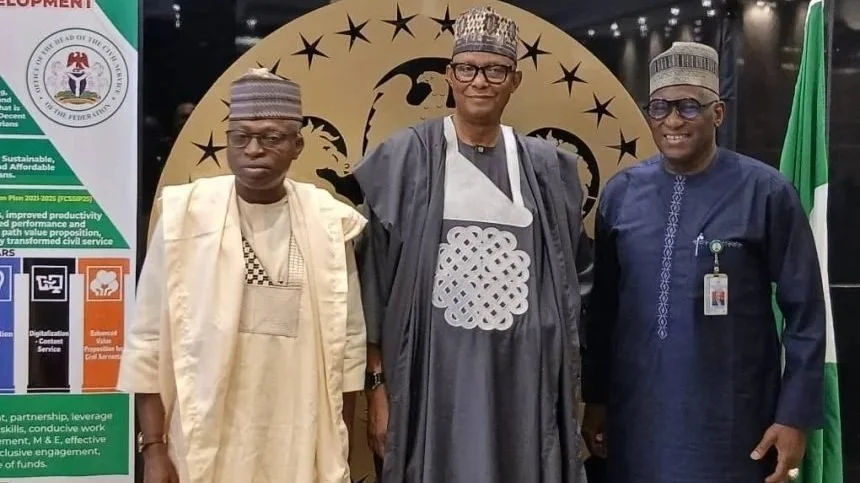
Nigeria’s Federal Government has renewed its focus on addressing the country’s housing crisis, with newly appointed Minister of Housing and Urban Development, Muttaqha Darma, pledging to prioritise affordable housing delivery through strategic partnerships and measurable reforms. The commitment was outlined during his official handover in Abuja, signalling a results-driven approach to tackling the nation’s housing deficit.
/ You Might Also Like /


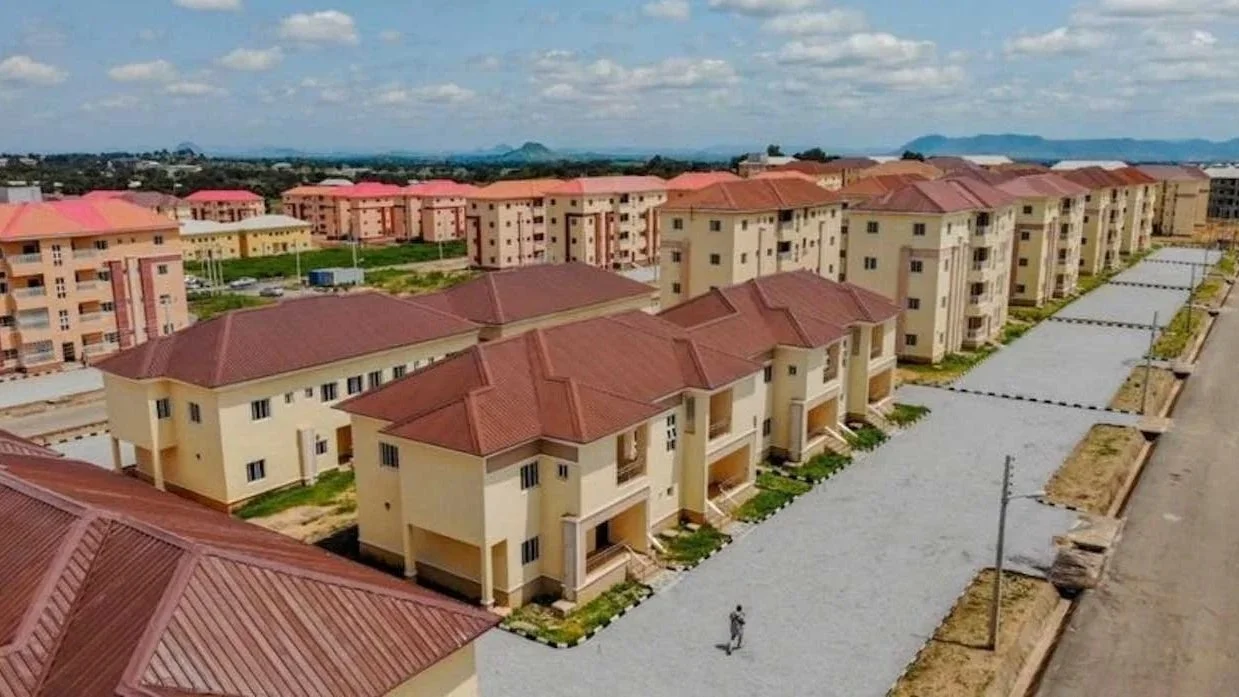

Minister Outlines Results-Driven Strategy
Darma stated that his administration would adopt a performance-based framework, anchored on clear targets and accountability. He emphasised that success in the housing sector would depend on coordinated action across the public and private sectors.
According to the minister, collaboration across the housing value chain—including developers, financiers, and policymakers—is essential to delivering scalable and sustainable housing solutions.
Housing Deficit Remains a Structural Challenge
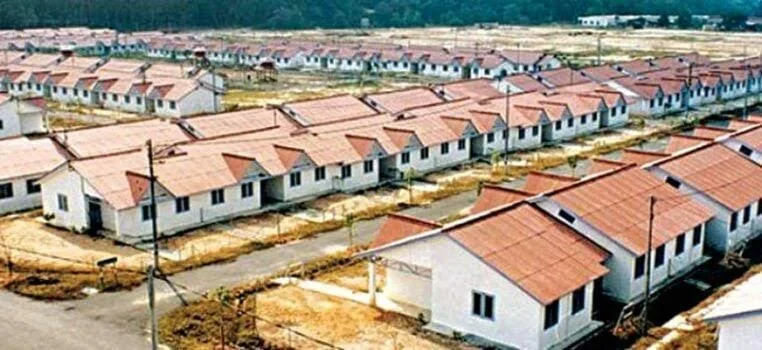
Nigeria continues to face a significant housing shortfall, estimated between 14 million and 20 million units. This gap reflects years of underinvestment, rapid urbanisation, and population growth, which have outpaced housing supply.
Darma acknowledged that addressing the deficit requires long-term planning, improved policy coordination, and sustained investment. Without a structured approach, he noted, meaningful progress would remain limited.
Affordability Pressures Intensify
Beyond supply constraints, affordability remains a critical issue. The minister highlighted that housing costs in key urban centres have risen beyond the reach of many Nigerians, particularly middle-income earners.
He cited examples of one-bedroom apartments priced between ₦25 million and ₦30 million, underscoring the widening gap between housing supply and purchasing power.
Addressing affordability, he said, will be a central focus of his administration, with policies aimed at making housing accessible across income levels.
Funding and Implementation Constraints
Government officials also identified funding challenges as a major constraint on housing delivery. Delays in budget releases and financing gaps have slowed project execution, despite ongoing initiatives that have generated significant employment across the sector.
The Minister of State for Housing noted that housing programmes have already created over 300,000 jobs nationwide, highlighting the sector’s potential as a driver of economic growth.
Public-Private Partnerships as Key Enabler
The Federal Government reaffirmed its commitment to Public-Private Partnerships (PPPs) as a primary mechanism for scaling housing delivery. Officials stressed that private sector participation is critical to increasing supply, improving infrastructure, and mobilising investment.
Darma reiterated that his leadership would focus on translating policy into tangible outcomes, ensuring that housing initiatives deliver real, accessible homes for Nigerians.
The Federal Government’s renewed focus on housing, under the leadership of Minister Muttaqha Darma, reflects a shift toward structured, accountable, and partnership-driven delivery models. With affordability and scalability at the centre of policy direction, the effectiveness of these reforms will depend on execution, financing, and sustained collaboration across the housing ecosystem.
READ MORE