FG Partners China to Deploy Modern Technology for Affordable Housing Delivery

Nigeria Seeks Scalable Housing Solutions Through China Partnership
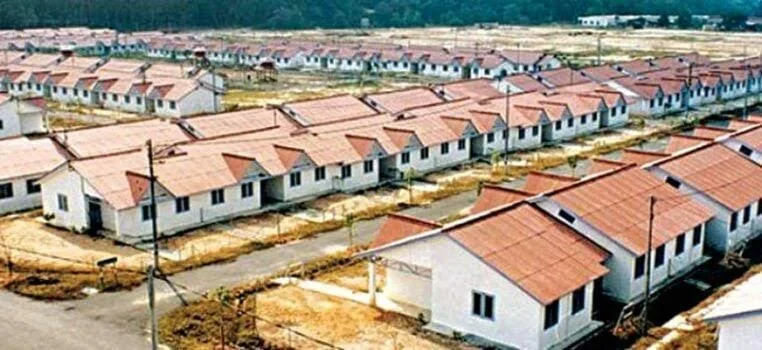
The Federal Government of Nigeria has entered into a partnership with Chinese firms to deploy modern construction technologies aimed at accelerating affordable housing delivery. The initiative focuses on reducing building costs, improving construction speed, and addressing Nigeria’s persistent housing deficit through innovative materials and scalable solutions.
/ You Might Also Like /



Strategic Shift Toward Technology-Driven Housing
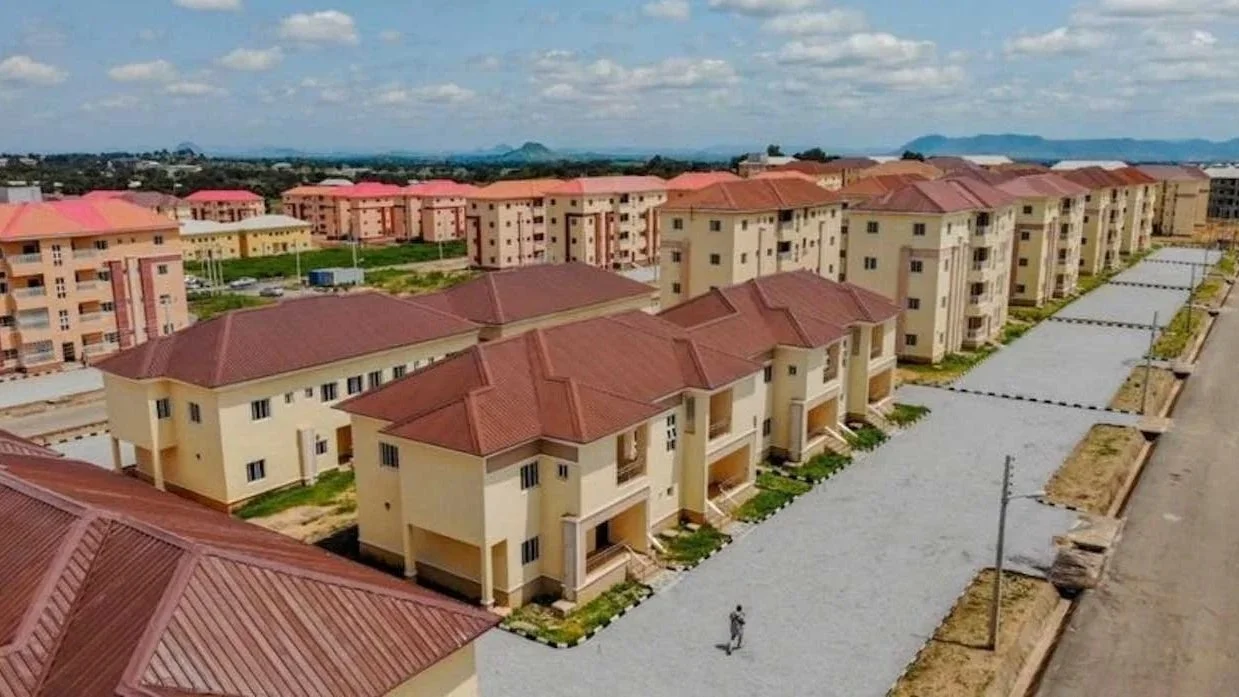
The partnership reflects a strategic shift by the Federal Government toward technology-led housing development. Officials emphasise that conventional building methods have proven insufficient to meet the scale of Nigeria’s housing demand, particularly for low- and middle-income households.
By engaging Chinese firms with expertise in industrialised construction systems, the government aims to introduce alternative building technologies capable of delivering housing faster and at lower cost.
Focus on Innovative and Sustainable Materials
Central to the collaboration is the adoption of advanced building materials designed to improve efficiency and durability. These include prefabricated and fibre cement technologies that are resistant to fire, water, and environmental degradation.
Such materials support faster construction timelines through modular and dry construction techniques, reducing reliance on traditional, labour-intensive processes. They also offer long-term cost benefits through lower maintenance requirements.
Local Manufacturing and Industrial Development
A key component of the partnership is the localisation of building material production. The Federal Government plans to establish manufacturing hubs across the country to produce innovative construction materials domestically.
This approach is expected to reduce import dependence, stabilise material costs, and stimulate industrial growth. It also aligns with broader economic objectives, including job creation and technology transfer.
Public-Private Partnership Framework
The housing initiative is structured around a Public-Private Partnership (PPP) model, with the government providing land and policy support, while private partners contribute technology, financing, and technical expertise.
Under this framework, institutions such as the Federal Mortgage Bank of Nigeria are expected to facilitate access to housing finance by purchasing completed units and offering mortgage options to beneficiaries.
This model aims to de-risk investment in housing projects while ensuring affordability for end-users.
Addressing Nigeria’s Housing Deficit
Nigeria faces a significant housing shortfall, driven by rapid urbanisation, population growth, and limited access to affordable finance. The adoption of modern construction technologies is seen as critical to closing this gap at scale.
Government officials stress that speed of delivery is essential. Faster construction cycles enabled by prefabrication and industrialised methods could significantly increase the number of housing units delivered annually.
Implications for the Housing Sector
The partnership signals a broader transformation in Nigeria’s housing sector, with increased emphasis on innovation, efficiency, and sustainability. For developers, the shift presents opportunities to adopt new construction methods that improve project viability.
For investors, the integration of technology into housing delivery enhances scalability and reduces cost uncertainty, making the sector more attractive for long-term capital deployment.
The Federal Government’s partnership with Chinese firms marks a significant step toward modernising Nigeria’s housing delivery framework. By leveraging technology, local manufacturing, and public-private collaboration, the initiative aims to expand housing supply, improve affordability, and address structural constraints within the sector.
If effectively implemented, the strategy could redefine housing development in Nigeria, positioning the country to meet its growing demand for affordable homes while strengthening its construction industry.
READ MORE