Finance Ministry Defends Nigeria's Debt Position Before Senate
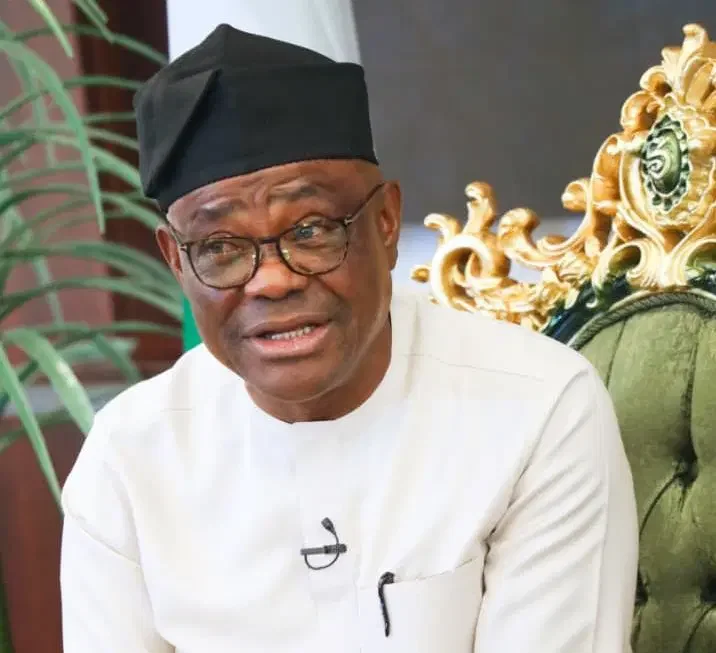
The Federal Government has dismissed claims that the Tinubu administration borrowed nearly ₦80 trillion within its first three years in office, describing the widely circulated figure as exaggerated and driven largely by accounting adjustments rather than fresh borrowing. The clarification was made by the Minister of Finance and Coordinating Minister of the Economy, Wale Edun, during a briefing before the Senate Committee on Finance on the state of the economy.
/ You Might Also Like /




The minister's remarks came in response to concerns raised by lawmakers over Nigeria's rising public debt and the pace of implementation of the 2026 budget.
Government attributes debt increase to accounting adjustments
According to Edun, many public discussions have compared Nigeria's current debt stock with the approximately ₦75 trillion debt inherited by the current administration in 2023, leading to the perception that the government borrowed close to ₦80 trillion in new loans.
He explained that a substantial portion of the increase resulted from the revaluation of Nigeria's external debt following the depreciation of the naira. Since the country's public debt is reported in naira, exchange rate movements significantly increased the local currency value of existing foreign-denominated obligations.
The minister said the currency revaluation alone added more than ₦40 trillion to the public debt stock without representing new borrowing.
Ways and Means securitisation added to debt stock
Edun also pointed to the securitisation of approximately ₦33 trillion in Ways and Means advances granted by the Central Bank of Nigeria to the previous administration.
He explained that the National Assembly approved the conversion of these advances into formal public debt, bringing liabilities that already existed onto the government's official debt records rather than creating new obligations.
According to the minister, these two factors currency revaluation and the recognition of previously existing liabilities—account for much of the increase in Nigeria's reported debt profile.
Refinancing differs from new borrowing
The Finance Minister further clarified that a significant share of the government's domestic borrowing has been used to refinance maturing debt instruments rather than finance additional expenditure.
He noted that refinancing involves replacing existing debt with new issuances as earlier obligations mature, a common debt management practice that should not be interpreted as entirely new borrowing.
Edun maintained that the administration's actual borrowing level is significantly lower than figures widely reported in public discourse.
Lawmakers raise budget implementation concerns
During the Senate Committee session, lawmakers also expressed concerns over the implementation of the 2026 Appropriation Act, questioning the pace of capital project execution and the government's broader fiscal strategy.
The discussions formed part of the committee's oversight of Nigeria's economic management, public finances and budget implementation.
Implications for the economy
Nigeria's public debt remains a key issue for investors, development partners and policymakers because of its impact on fiscal sustainability, infrastructure financing and capital investment.
While the government argues that recent increases in the debt stock largely reflect accounting adjustments, analysts continue to monitor debt servicing costs, revenue mobilisation and the pace of economic reforms as indicators of the country's fiscal health.
For sectors such as housing and infrastructure, sustainable public finances remain critical to financing long-term development projects, improving investor confidence and supporting economic growth.
Conclusion
The Federal Government has sought to clarify public perceptions of Nigeria's debt profile, arguing that much of the reported increase stems from exchange rate revaluation and the formal recognition of existing liabilities rather than fresh borrowing. As debate over the country's fiscal position continues, attention is expected to remain on debt sustainability, budget implementation and the effectiveness of economic reforms in supporting long-term growth.
READ MORE