$2bn East-West Super Grid Gets Presidential Approval as Nigeria Targets 19,000MW
The Federal Government has approved a $2 billion investment in a new East-West Super Grid project designed to strengthen Nigeria’s electricity transmission network and expand its capacity to 19,000 megawatts (MW). The project will cover major locations across the country, with the government targeting completion within 18 to 24 months.
/ You Might Also Like /




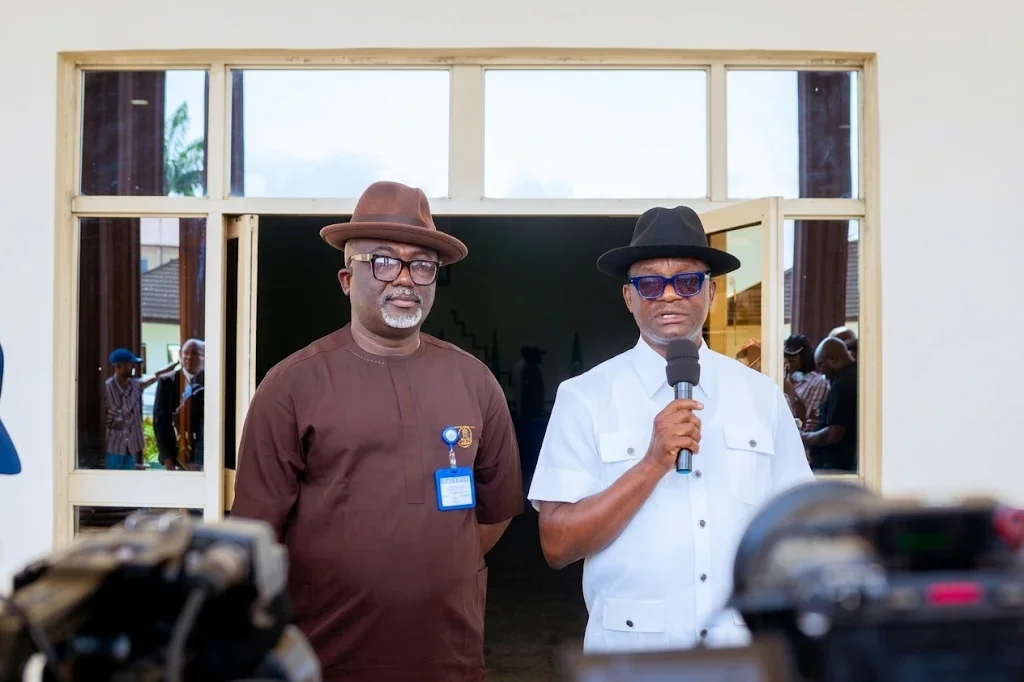
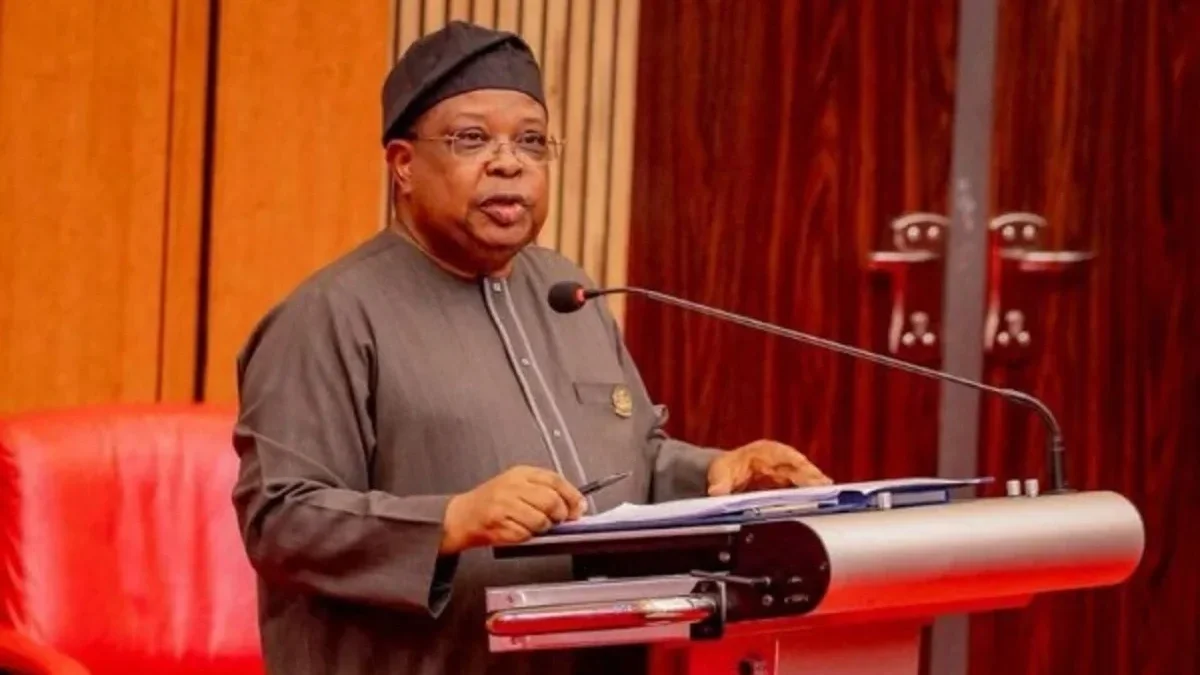
Minister of Power, Olasunkanmi Tegbe, disclosed the approval in a statement on Monday, November 9, 2026. He said President Bola Tinubu had approved the project and that procurement processes had commenced.
The proposed transmission corridor will pass through Funtua, Gwagwalada, Ikot-Ekpene, Benin, Epe and Ilorin. The government plans to use the new infrastructure to strengthen electricity transmission across the country and improve the amount of power the national grid can deliver.
East-West Super Grid to complement existing network
Tegbe explained that the proposed Super Grid would complement, rather than replace, Nigeria’s existing national grid. It forms part of the government’s broader effort to address weaknesses in the transmission network and improve electricity delivery to homes, businesses and industries.
The Minister said a technical audit launched shortly after he assumed office identified deficiencies in critical transmission infrastructure, including towers, insulators, conductors and relays across several transmission corridors.
The findings will guide the replacement of faulty and inadequate equipment, with the government expected to begin the programme in the coming months following presidential funding approval.
Tegbe also identified the Oshogbo–Ikeja West transmission line as a priority for restoration. He said repairing the line could add approximately 400MW to the Lagos electricity complex, potentially improving supply to Nigeria’s commercial centre.
FG moves to settle ₦2tn GenCo debts
Alongside the proposed transmission investment, the Federal Government is working to address financial pressures affecting electricity generation companies (GenCos).
Tegbe disclosed that the government had paid ₦1.23 trillion out of approximately ₦3.3 trillion owed to the generation companies, leaving an outstanding balance of about ₦2 trillion.
He said the unpaid obligations had limited the companies’ ability to meet financial commitments to gas suppliers, contributing to constraints on electricity generation. The government is targeting settlement of the outstanding balance in 2027.
The Minister also highlighted the gap between installed generation capacity and actual electricity supplied to the national grid. Power plants operated by the Niger Delta Power Holding Company have a combined installed capacity exceeding 3,000MW but currently contribute approximately 400MW to national supply.
He said improving the performance of these facilities, alongside resolving gas supply and transmission constraints, could increase electricity delivered to consumers.
Electricity Act creates opportunities for state and private investment
Tegbe identified the Electricity Act 2023 as a major development in the restructuring of Nigeria’s power sector. The legislation allows state governments and private investors to participate in electricity generation, transmission and distribution.
Under the framework, states can develop electricity markets that reflect their energy requirements through independent power generation, mini-grids and gas-fired power projects. Lagos, Ogun, Abia and Enugu are among the states exploring different approaches.
The law also permits bilateral electricity arrangements, allowing power generators to supply willing customers directly or sell electricity into the national grid.
According to Tegbe, these provisions are creating opportunities for investment and competition across the sector. He added that the Federal Government expects private-sector participation in electricity transmission to expand over the next two to three years.
The government’s $2 billion East-West Super Grid approval therefore forms part of a wider effort to address transmission limitations, improve generation-company liquidity and attract investment into Nigeria’s electricity market. Its impact will depend on the timely execution of the project, the rehabilitation of existing infrastructure and the resolution of persistent gas and financing constraints.
READ MORE