Government Reports ₦600bn Cash Transfers to 10 Million Households in Three Years
Over ₦600bn Disbursed to 10 Million Households Under FG Cash Transfers
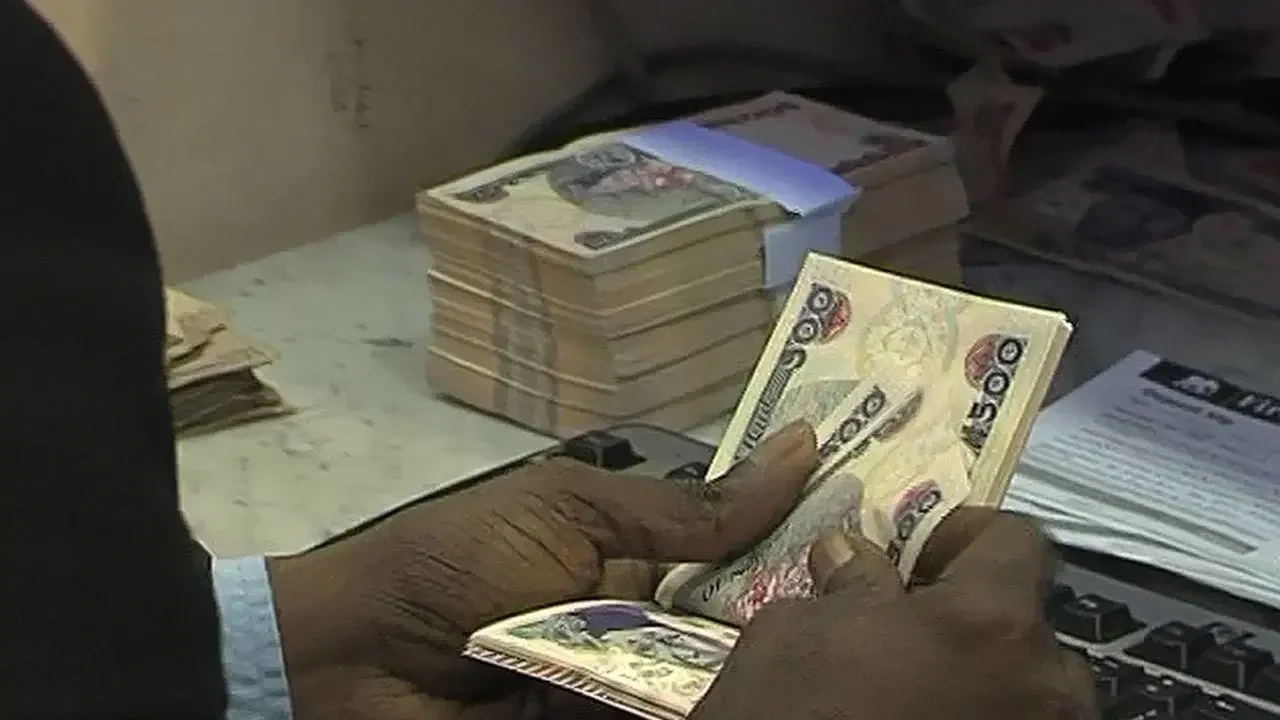
The Federal Government says it has disbursed more than ₦600 billion in cash transfers to slightly over 10 million vulnerable households over the past three years as it expands its social protection and poverty-reduction programmes.
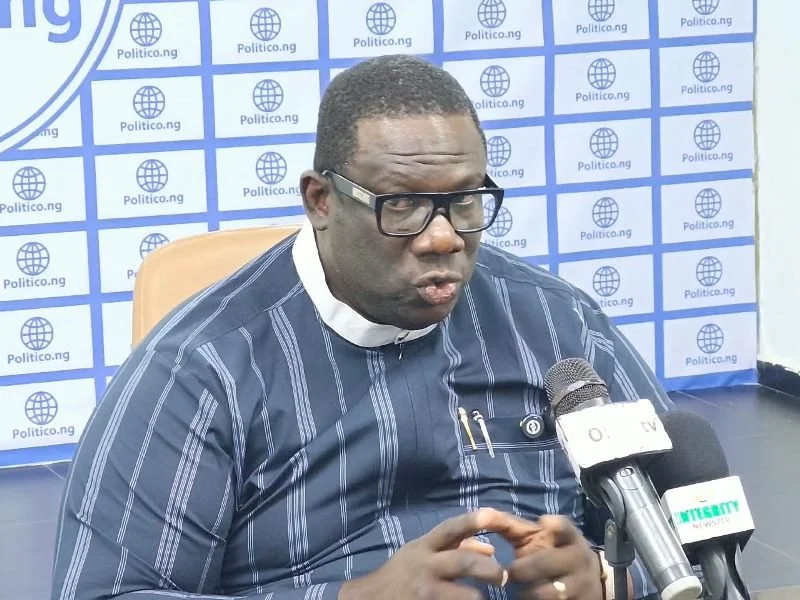
Minister of Humanitarian Affairs and Poverty Reduction Bernard Doro disclosed the figure during an interview on Channels Television’s Politics Today on Wednesday. The disclosure comes as the government launches the $1 billion Household Prosperity and Empowerment Social Protection Project (HOPE-SP), which targets about 7.6 million vulnerable households nationwide.
/ You Might Also Like /




Government Expands Household Support
Doro said the government’s social protection strategy is shifting from direct cash support towards programmes designed to help households achieve greater economic self-reliance.
Under the new HOPE-SP programme, eligible households will receive a one-off digital shock-response transfer of ₦40,000. Beneficiaries must be registered on the National Social Register and validated using their National Identification Number.
The government is working with the National Identity Management Commission to improve NIN registration and verification for eligible beneficiaries.
Cash Transfers Reach More Than 10 Million Households
According to the minister, the government has provided more than ₦600 billion in cash transfers since the current social protection interventions began three years ago, reaching slightly over 10 million households.
The latest figures highlight the scale of government intervention as households continue to face pressure from living costs and reduced purchasing power.
The government says its broader objective is to move beyond short-term relief and track whether beneficiaries are making progress towards economic independence.
New Programme Targets 7.6 Million Vulnerable Households
The HOPE-SP initiative represents the latest expansion of the government's social protection framework.
The programme targets approximately 7.6 million vulnerable households and forms part of the Renewed Hope Social Protection Programme. It is designed to provide financial support during economic shocks while creating a more structured system for tracking beneficiaries and their progress.
The government has also linked the programme to wider efforts to reduce poverty and strengthen household resilience.
Household Purchasing Power Remains Important for Housing
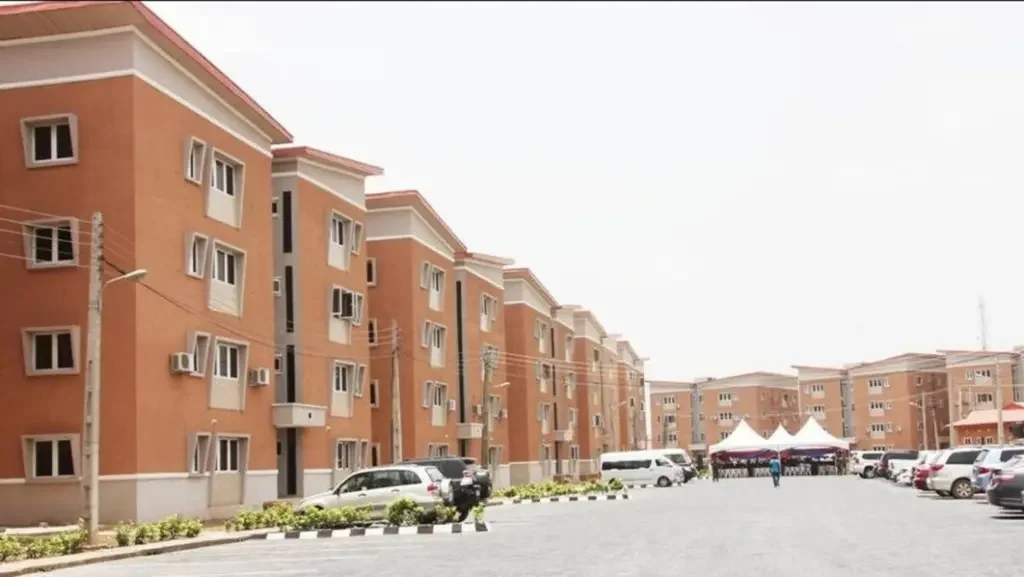
The intervention has implications for Nigeria's housing market because household income and purchasing power directly influence the ability of families to afford rent and access adequate housing.
For low-income households, rising rents, food prices, transportation costs and other essential expenses can leave less income available for housing.
Cash transfers can provide temporary financial relief, but sustained improvements in housing affordability will also depend on stronger household incomes, employment opportunities and an adequate supply of affordable homes.
Housing Affordability Requires Long-Term Solutions
While social protection can help households manage economic shocks, it does not directly address the structural factors driving Nigeria's housing affordability challenge.
High land costs, expensive construction materials, infrastructure deficits and limited access to affordable mortgage finance continue to constrain housing supply.
For policymakers, the challenge is therefore to combine social protection with measures that increase affordable housing delivery and improve household earning capacity.
Concerns Over Implementation and Funding
The expansion of social intervention programmes has also raised concerns about transparency and implementation.
The Centre for the Promotion of Private Enterprise (CPPE) recently warned that corruption, political interference and weak implementation could reduce the effectiveness of government social intervention programmes. The group called for stronger safeguards to minimise leakages and ensure that funds reach intended beneficiaries.
These concerns are particularly relevant as the government increases the scale and value of its household support programmes.
Government Seeks to Track Poverty Reduction
Doro said the government wants to move towards deliberately tracking poverty and measuring whether interventions are helping households become economically self-reliant.
This approach could provide policymakers with better information about the effectiveness of social protection spending and help identify where additional interventions are required.
For housing policymakers, improved household-level data could also help identify areas with the greatest affordability pressures and improve the targeting of housing and social-support programmes.
Outlook
The Federal Government's disclosure that more than ₦600 billion has reached over 10 million households highlights the scale of Nigeria's ongoing social protection response.
The new $1 billion HOPE-SP programme represents a further expansion of that intervention, with 7.6 million vulnerable households targeted for support.
For the housing sector, the impact will depend on whether improved household resilience translates into stronger purchasing power. While cash transfers can provide immediate relief, addressing Nigeria's housing affordability challenge will require sustained income growth, increased affordable housing supply, better infrastructure and wider access to housing finance.
READ MORE