Enugu Reclaims Wuye Property, Begins 43-Unit Woodlands Estate in Abuja
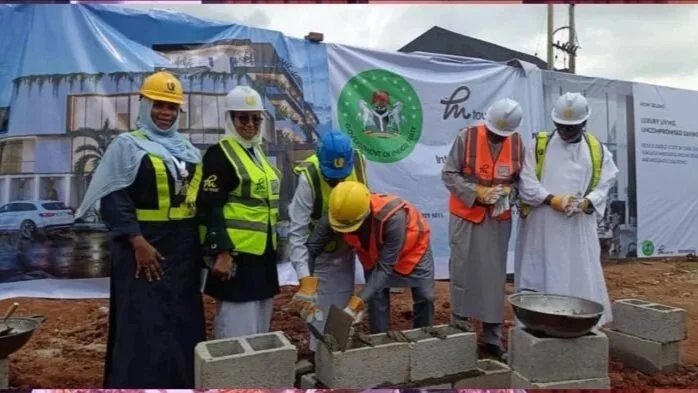
Enugu Begins 43-Unit Woodlands Estate Development in Abuja
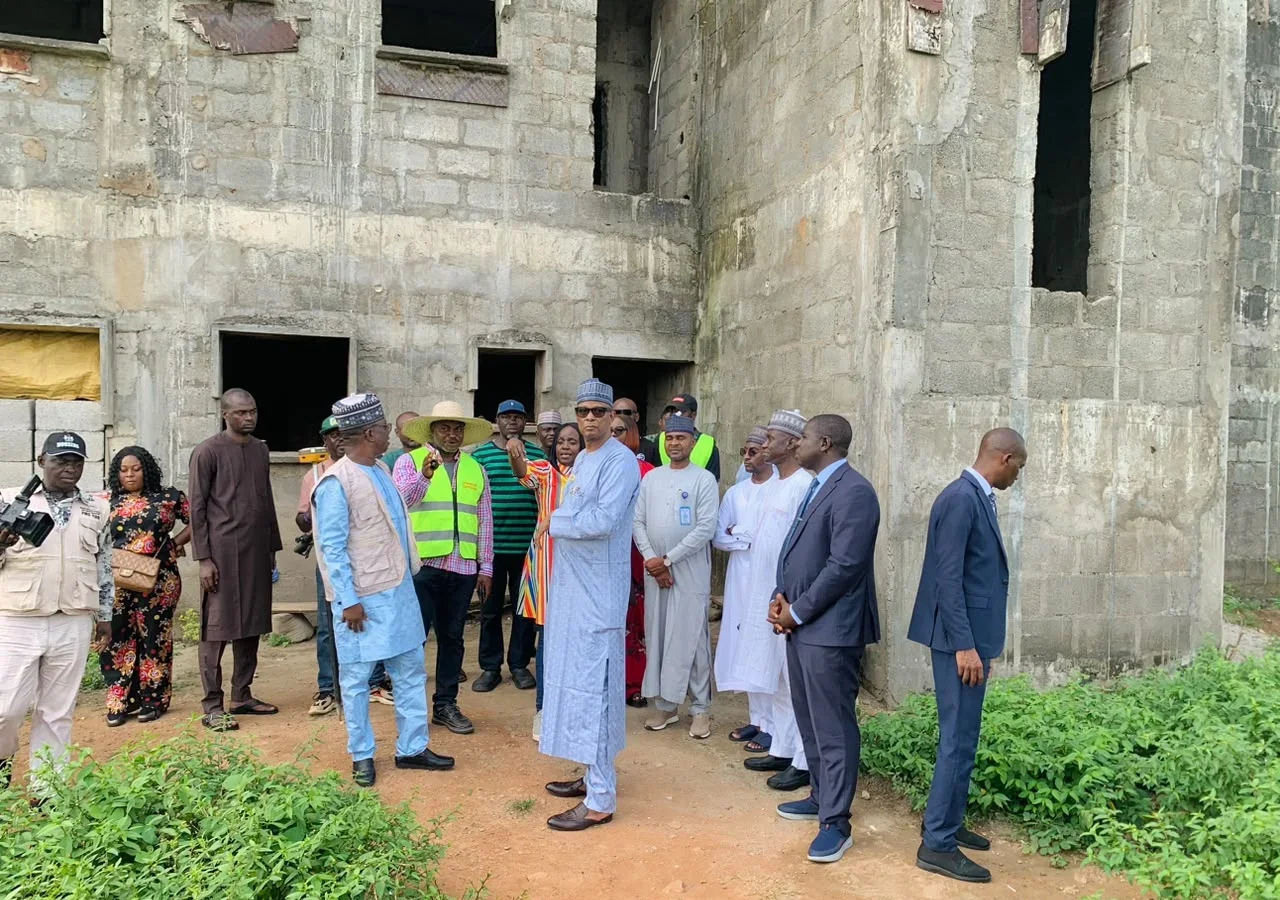
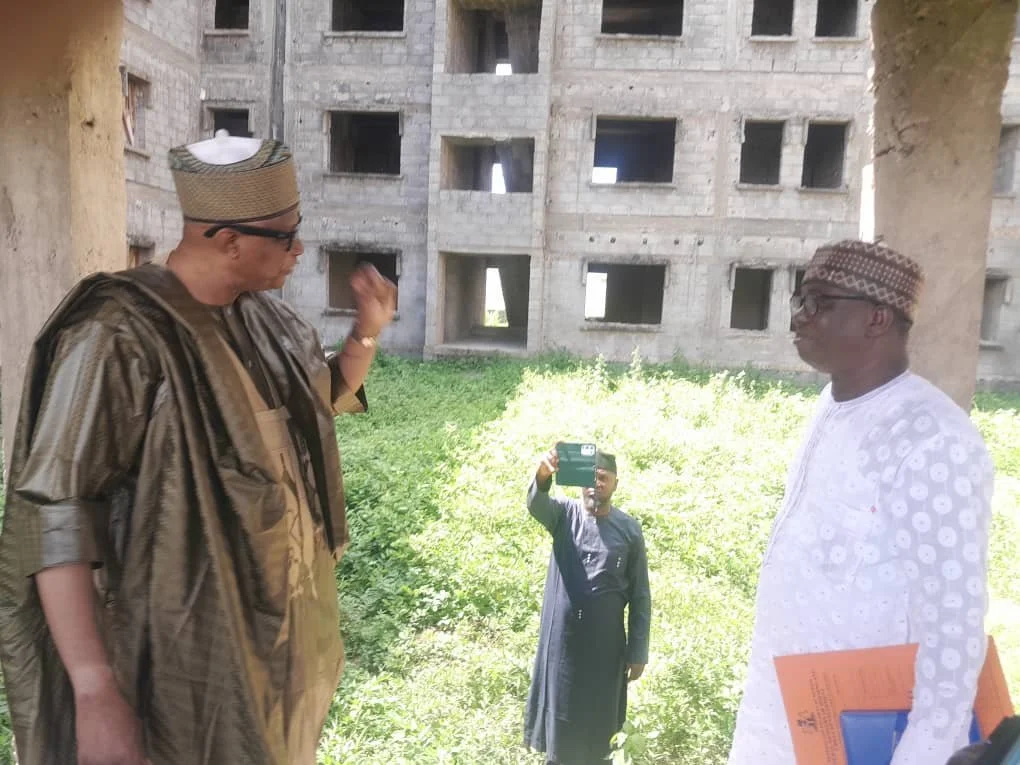
The Enugu State Government has regained control of a 1.4-hectare property in Wuye District, Abuja, after a prolonged land dispute and has commenced development of the 43-unit Woodlands Estate through a partnership with Tout Moi Nigeria Limited.
/ You Might Also Like /




The project, which was delayed for about three years, is planned as a green housing development comprising high-rise apartments, terrace buildings and semi-detached houses, alongside recreational facilities.
Land dispute delayed project for three years
The property, identified as Plot 804, Cadastral Zone B03, was originally allocated to Enugu State by the Federal Capital Development Authority (FCDA).
According to the report, the site later became the subject of a prolonged dispute involving alleged attempts by land grabbers to take control of the property.
The Permanent Secretary/Liaison Officer of the Enugu State Liaison Office in Abuja, Chukwuka Ugwu, said the state intervened to protect its interest and eventually regained control of the site.
The dispute highlights the risks that unclear or contested land ownership can create for housing projects, particularly in areas where demand for developable land remains strong.
Woodlands Estate will provide 43 housing units
The Woodlands Estate will deliver 43 residential units in a mix of high-rise apartments, terrace buildings and semi-detached houses.
The development will also include a clubhouse and recreational facilities.
According to the developers, sustainability will form part of the project's design, with measures focused on reducing energy consumption, recycling waste and using materials and construction processes that conserve energy.
The project therefore combines residential development with elements of green building, reflecting growing interest in more resource-efficient housing developments in Nigeria's major cities.
Developers spent six months addressing land dispute
Tout Moi Nigeria Limited's Principal Architect, Maryam Bello Barkindo, said the development faced delays because of challenges surrounding the property.
She said the developers spent about six months dealing with attempts to take over the site before the Enugu State Government secured access through lawful channels.
The experience, she said, demonstrates the importance of effective land administration and legal processes in protecting legitimate property investments.
For developers, delays arising from land disputes can increase project costs through additional professional fees, financing expenses and construction delays. These costs can eventually affect the final price of housing delivered to the market.
Land administration remains a major challenge
The Woodlands Estate project has renewed concerns about land administration in Abuja and across Nigeria.
Hassan Usman, Managing Director and Chief Executive Officer of New Frontier Development Limited, said weaknesses in land titling, development approvals and access to long-term financing continue to constrain housing investment.
He argued that delays in obtaining titles, Certificates of Occupancy and development approvals add to development costs because projects can remain inactive while developers continue to incur expenses.
Usman called for comprehensive cadastral mapping and computerised land records that would allow prospective property owners to verify ownership and property boundaries before completing transactions.
Digital land records could reduce property disputes
A transparent digital land information system could improve the reliability of property transactions by allowing buyers, developers and investors to verify ownership and boundaries more efficiently.
Such systems could also help reduce multiple allocations, fraudulent claims and disputes over property ownership.
For Abuja's property market, improved land administration could support investor confidence by reducing uncertainty around land acquisition and development rights.
It could also make project timelines more predictable, an important consideration for developers relying on construction finance.
Construction costs remain a barrier to affordability
The Enugu State Government also identified rising construction costs as another major challenge facing housing delivery.
Ugwu pointed to the high cost of materials including cement, steel and timber, saying the increases make it harder for developers to deliver homes at prices affordable to ordinary Nigerians.
He called for government incentives, subsidies and policies that encourage greater local production of construction materials.
Lower construction costs would give developers more room to increase housing supply while maintaining prices within the reach of a wider segment of the market.
PPP model supports housing delivery
The Woodlands Estate is being delivered through a partnership between the Enugu State Government and Tout Moi Nigeria Limited.
Public-private partnerships can provide an alternative model for expanding housing supply by combining public-sector land or institutional support with private-sector financing, expertise and construction capacity.
Stakeholders at the project launch also stressed the importance of PPPs in increasing housing delivery, improving infrastructure and promoting sustainable development.
Project highlights wider housing-market challenges
Although the Woodlands Estate will deliver only 43 units, the project highlights several structural issues affecting Nigeria's housing market.
Secure land ownership remains essential for attracting development capital. Efficient approvals can shorten project timelines, while access to affordable construction materials and long-term housing finance can determine whether completed homes remain within reach of buyers.
Addressing these factors simultaneously will be important if Nigeria is to move from individual housing projects to large-scale housing delivery.
Outlook
The commencement of the 43-unit Woodlands Estate marks the revival of a project that had faced years of delays because of a land dispute.
Beyond the development itself, the project highlights the importance of secure land administration, faster approvals, affordable construction inputs and public-private partnerships to expanding Nigeria's housing supply.
For Abuja's real estate market, stronger land documentation and digital verification could reduce transaction risks and encourage more investment, while sustainable construction practices could help developers respond to the city's growing demand for modern housing.
READ MORE