Edun Urges IMF, World Bank to Cut Borrowing Costs for Developing Countries
Edun Calls for Lower Interest Rates on Loans to Developing Economies
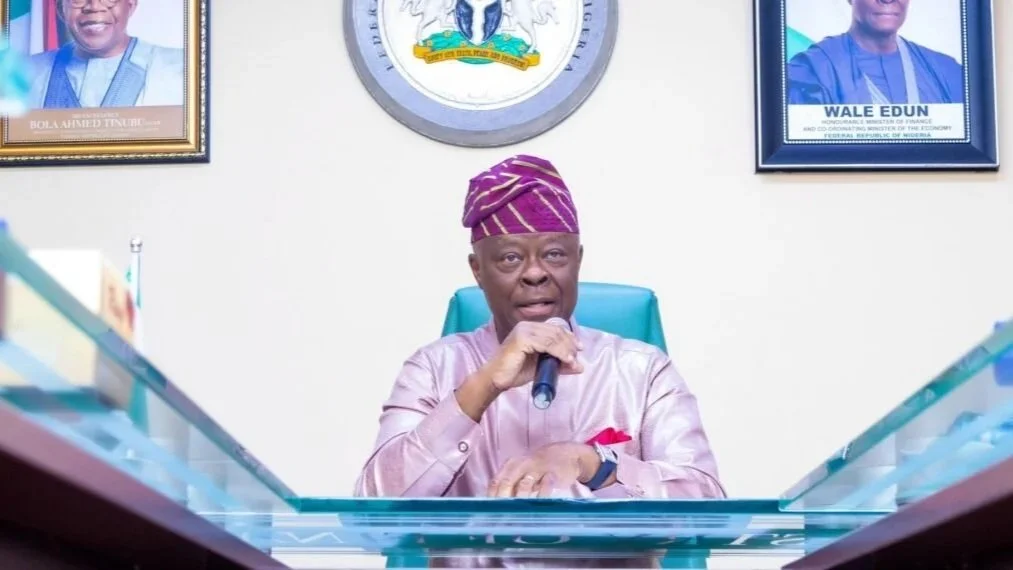
Nigeria’s Minister of Finance and Coordinating Minister of the Economy, Wale Edun, has called on the International Monetary Fund and World Bank to reduce borrowing costs for developing countries, citing rising debt burdens and limited access to affordable financing. He made the call during a media briefing of the G-24 on the sidelines of the IMF’s April 2026 Global Financial Stability Report.
Rising Debt Burden Across Developing Economies
Edun highlighted the growing financial strain facing developing nations, noting that high interest rates and increasing debt servicing obligations are constraining economic growth. According to him, a significant portion of government revenues is now directed toward servicing debt rather than funding critical sectors such as infrastructure, healthcare, and education.
/ You Might Also Like /




Data underscores the scale of the challenge. African countries are expected to spend over $90 billion on external debt servicing in 2026, reflecting a sharp increase compared to previous years.
For Nigeria specifically, external debt servicing reached $5.21 billion in 2025, accounting for more than 72% of total international payments, signalling mounting fiscal pressure.
Call for Lower Borrowing Costs and Liquidity Support
Edun urged multilateral institutions to introduce measures that reduce financing costs, including enhanced liquidity and risk management tools. He stressed that such interventions are critical to helping vulnerable economies maintain stability and continue development efforts.
“We would like them to provide additional liquidity that reduce the cost of financing,” Edun stated.
Supporting this position, G-24 officials noted that several member countries are already among those facing the highest borrowing costs globally, reinforcing the urgency for reform in global financing systems.
Global Economic Pressures Intensifying Risks
The appeal comes amid worsening global economic conditions. The IMF projects global growth to decline from 3.4% in 2025 to 3.1% in 2026, largely due to geopolitical tensions and rising energy costs.
Recent global shocks including conflict-driven energy price increases have tightened financial conditions, reduced capital inflows, and heightened inflationary pressures in emerging markets.
These dynamics have made it more difficult for developing countries to access affordable financing, increasing reliance on expensive commercial borrowing.
Impact on Nigeria’s Economy
Nigeria faces a dual challenge: rising external shocks and ongoing domestic reforms. Higher global fuel prices have pushed up transportation and food costs, intensifying inflationary pressures and affecting household purchasing power.
At the same time, the country continues to implement structural reforms, including subsidy removal and tax system changes, which require sustained fiscal stability and investor confidence.
Broader Policy Implications
Need for Fairer Global Financial Conditions
Edun’s position reflects a broader push by developing economies for a more equitable global financial system. Limited access to concessional financing has forced many countries to rely on high-cost debt, increasing fiscal vulnerability.
Strengthening Domestic Revenue Mobilisation
While advocating for external support, Edun emphasised the importance of domestic resource mobilisation. Governments must improve tax systems and expand revenue bases to reduce dependence on borrowing.
Role of Multilateral Institutions
The IMF and World Bank remain central to providing financial stability and development support. Expanding concessional lending and reducing borrowing costs could ease fiscal pressures and support long-term growth in emerging markets.
Conclusion
Edun’s call for reduced borrowing costs highlights a critical challenge facing developing economies: balancing debt sustainability with growth ambitions. As global financial conditions tighten, access to affordable financing has become a key determinant of economic resilience.
For policymakers and investors, the message is clear—without reforms in global lending frameworks and stronger domestic fiscal capacity, rising debt burdens will continue to constrain development across emerging markets.
READ MORE