DARS Group Unveils Elite City Abuja, Blending Smart Technology, Wellness and Affordable Housing

Elite City Abuja Debuts as Smart Tech and Wellness Community in FCT
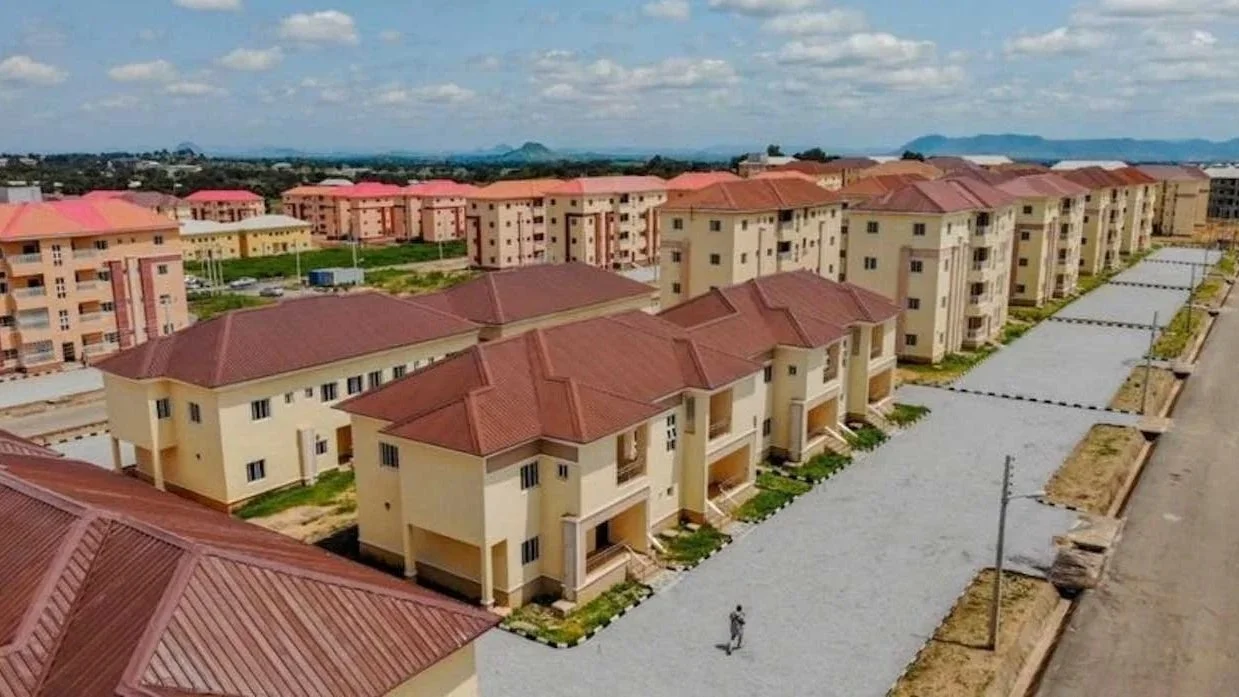
DARS Group of Companies has officially launched Elite City Abuja, a master-planned residential development that seeks to combine smart technology, wellness, sustainability and affordable housing in one integrated community. Located in Ketti, within the Federal Capital Territory (FCT), the project is being positioned as a next-generation urban development that caters to a broad range of homebuyers and investors while supporting Abuja's expanding housing market.
/ You Might Also Like /



The unveiling attracted developers, financial institutions, government representatives and prospective homeowners, highlighting increasing private-sector interest in delivering large-scale housing projects that respond to Nigeria's growing urbanisation and housing demand.
A Mixed-Income Smart Community
According to DARS Group, Elite City Abuja has been designed as more than a conventional housing estate. The development integrates residential housing with smart infrastructure, wellness facilities, recreational spaces and environmentally sustainable planning.
The first phase covers approximately 57 hectares and will include a mix of two-bedroom, three-bedroom and four-bedroom terrace duplexes, mansionettes, luxury homes and residential plots, creating opportunities for buyers across different income categories. Prospective subscribers can also acquire plots from ₦3.6 million, reflecting the developer's intention to broaden access to property ownership.
The project also incorporates reliable electricity infrastructure, sustainable water systems, green spaces, recreational parks, sports facilities and modern security architecture to improve residents' quality of life.
Infrastructure Development Already Underway
DARS Group confirmed that engineering surveys have been completed across the project's first phase, while construction of perimeter fencing and gatehouses has commenced.
The estate layout has received approval from the Federal Capital Development Authority (FCDA) and includes two major access roads designed to improve connectivity and accessibility within the development. Comprehensive drainage planning has also been incorporated to reduce erosion risks and support long-term infrastructure resilience.
These early infrastructure investments demonstrate an increasing emphasis on delivering serviced communities rather than relying on homeowners to provide essential infrastructure after purchasing land.
Partnership Model Expands Investment Capacity
One of the defining features of Elite City Abuja is its collaborative development model.
Several real estate companies have partnered with DARS Group to deliver different components of the project. PeakNova Limited, for example, has acquired 15 hectares within the estate to develop an eco-friendly residential community, while other partners are expected to deliver additional housing and recreational facilities.
According to project stakeholders, shared infrastructure investment allows developers to reduce construction costs, improve efficiency and deliver better value to homeowners.
This approach reflects a growing trend in Nigeria's property sector, where collaborative development models are increasingly being adopted to address rising infrastructure costs and improve project delivery.
NHM Analysis: A Shift Towards Master-Planned Communities
Elite City Abuja represents more than the launch of another residential estate—it reflects the gradual evolution of Nigeria's housing market towards integrated, master-planned communities.
As Abuja continues to experience rapid population growth and urban expansion, demand is shifting beyond individual housing units towards developments that combine housing with supporting infrastructure, technology, healthcare, recreation and commercial amenities.
For developers, integrated planning improves long-term property values by creating complete neighbourhoods rather than isolated residential projects.
For buyers, access to reliable infrastructure including roads, security, water and electricity reduces future maintenance costs and improves overall quality of life.
Why This Matters for Investors
Projects such as Elite City Abuja illustrate how private developers are responding to changing investor preferences.
Institutional investors increasingly favour developments with strong infrastructure planning, phased implementation strategies and mixed-income housing models capable of generating diversified revenue streams.
The inclusion of flexible payment structures and relatively affordable entry-level plot prices also broadens the potential buyer base, supporting stronger absorption rates during different phases of development.
If delivered as planned, the project could contribute to expanding formal housing supply within the FCT while strengthening investor confidence in Abuja's residential property market.
Policy Implications
Elite City Abuja aligns with broader government efforts to encourage greater private-sector participation in housing delivery through public-private collaboration and infrastructure investment.
While the project is privately driven, developments of this scale complement national objectives of reducing Nigeria's housing deficit by increasing formal housing supply, promoting sustainable urban planning and encouraging innovation in residential development.
The project also demonstrates the growing importance of integrated planning in Nigeria's urban development strategy, where housing delivery increasingly extends beyond building homes to creating complete, liveable communities.
Outlook
As competition intensifies within Abuja's residential property market, developers are increasingly differentiating projects through technology, sustainability and integrated infrastructure rather than housing units alone.
If successfully executed, Elite City Abuja could become a reference point for future smart community developments in Nigeria, demonstrating how private-sector investment, modern urban planning and mixed-income housing can support more sustainable city growth while expanding access to quality residential accommodation.
READ MORE