Dangote Advances Plans for 10,000-Hectare Deep Seaport in Ogun State

Ogun’s Olokola Free Zone Emerges as Key Site for Dangote Deep Seaport
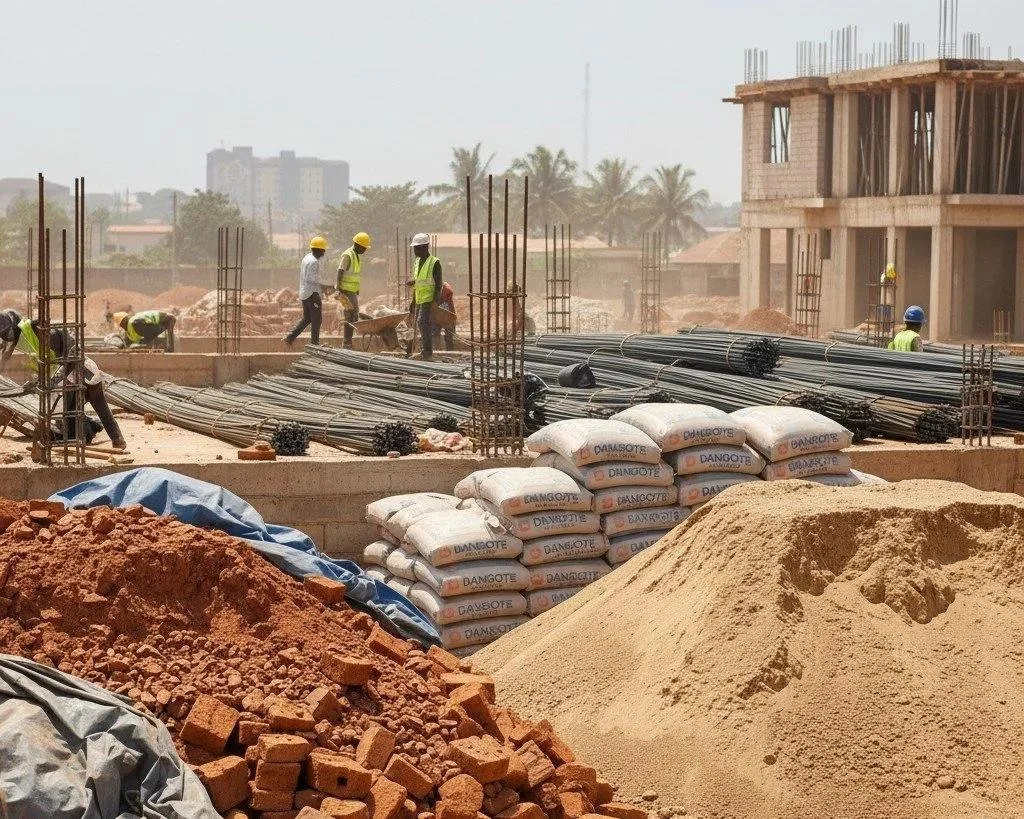
The Dangote Group has commenced early-stage engagements and planning activities for a proposed deep seaport project within the Olokola Free Trade Zone (OKFTZ) in Ogun State, marking a significant step in the conglomerate’s broader infrastructure and export expansion strategy.
The proposed development, which spans more than 10,000 hectares along Nigeria’s Atlantic coastline, is expected to strengthen maritime trade capacity, improve export logistics, and position Ogun State as a strategic industrial and shipping hub in West Africa. According to reports from industry stakeholders and regional publications, the project forms part of Dangote Group’s Vision 2030 growth agenda.
/ You Might Also Like /

Dangote Begins Community Engagement Ahead of Project Takeoff
Ahead of the project’s anticipated construction phase, a delegation from Dangote Industries Limited visited host communities in Ogun and Ondo states to commence stakeholder consultations and sensitisation efforts.
The delegation, led by the Managing Director of Infrastructure and Logistics at Dangote Industries, Capt. Jamil Abubakar, engaged traditional rulers, community leaders, youth representatives, and local stakeholders within the proposed project corridor. Communities visited included Ode-Omi in Ogun State as well as Araromi Seaside Kingdom and Igbokoda in Ondo State.
The Olokola Free Trade Zone stretches across Ogun Waterside Local Government Area and parts of Ondo State, occupying a strategic coastal location near the Gulf of Guinea. The zone lies less than 100 kilometres from Lagos and adjacent to the Lekki-Epe industrial corridor, positioning it within one of Nigeria’s fastest-growing industrial regions.
Strategic Importance of the Olokola Seaport
The proposed seaport is expected to serve as a major logistics gateway for Dangote Group’s expanding industrial operations, including fertiliser, petrochemical, and energy exports.
Industry reports indicate that the port could become one of the largest and deepest seaports in Nigeria, potentially rivalling existing facilities such as the Lekki Deep Sea Port. The project is also expected to support future exports of liquefied natural gas (LNG), fertiliser, and petrochemical products from the company’s industrial assets in Lagos.
The development aligns with broader efforts to improve Nigeria’s maritime infrastructure and reduce congestion at Lagos ports, which continue to face operational and logistics bottlenecks. Analysts note that additional deep seaport infrastructure could enhance cargo handling efficiency, strengthen export competitiveness, and improve supply chain integration for manufacturers operating within Nigeria’s coastal industrial zones.
Revival of Previously Abandoned Olokola Investment Plans
The Olokola project also represents a revival of Dangote Group’s earlier investment interests in the region.
According to previous disclosures by Aliko Dangote, the company had initially planned major industrial investments in the Olokola Free Trade Zone before suspending activities due to disputes and policy uncertainties under a previous Ogun State administration. However, the group has since renewed its interest following what it described as improved investment conditions and stronger state-level support for industrial projects.
In March 2025, Dangote announced plans to develop what he described as Nigeria’s largest port within the Olokola axis during a visit to Ogun State Governor Dapo Abiodun.
Subsequent reports in July 2025 revealed that the company had submitted preliminary documentation to begin construction approvals for the seaport project.
Potential Economic Impact
If completed, the Olokola Deep Seaport could become one of Nigeria’s most significant privately driven infrastructure projects.
The project is expected to generate economic benefits across multiple sectors, including logistics, shipping, manufacturing, export trade, and industrial processing. Analysts also expect the development to stimulate investment within Ogun and Ondo states through improved infrastructure, job creation, and increased commercial activity around the free trade zone.
The proposed port may further strengthen Nigeria’s role in regional maritime trade under the African Continental Free Trade Area (AfCFTA), particularly as manufacturers seek more efficient export routes to regional and global markets.
In addition, the project supports the Federal Government’s efforts to deepen private-sector participation in infrastructure delivery and maritime development. Reports indicate that Dangote has engaged the Federal Ministry of Marine and Blue Economy as discussions around the project advance.
Outlook
The Olokola Deep Seaport project represents another major infrastructure push by the Dangote Group as it continues expanding its footprint across energy, manufacturing, logistics, and export-oriented industries.
While timelines for construction and regulatory approvals remain unclear, ongoing stakeholder engagement signals that preliminary groundwork for the project is gaining momentum. If executed successfully, the development could reshape Nigeria’s maritime logistics landscape and reinforce the country’s position as a key trade gateway in West Africa.
READ MORE