Federal High Court Orders Final Forfeiture of 52 Lekki Housing Units to Federal Government

Lagos Court Orders Permanent Forfeiture of 52 Recovered Lekki Properties
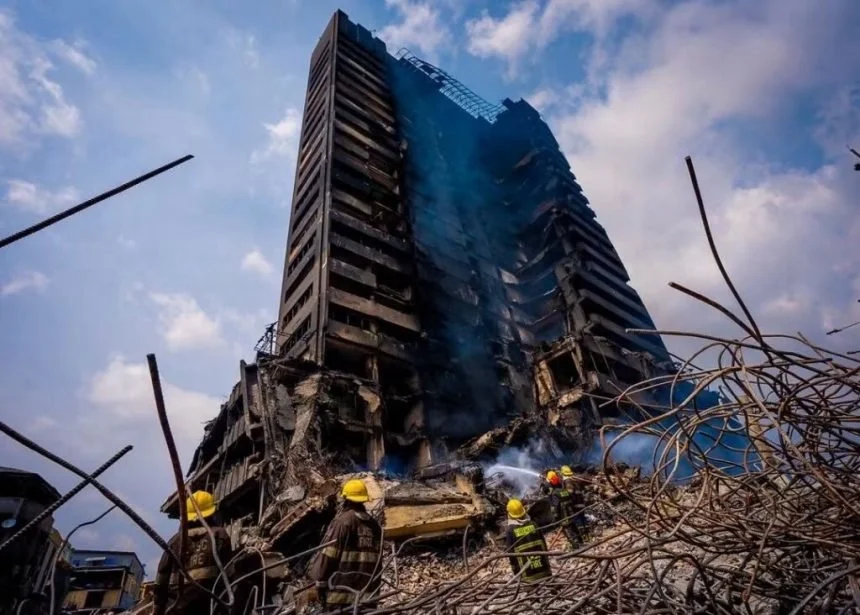
A Federal High Court in Lagos has ordered the final forfeiture of 52 residential housing units in Lekki to the Federal Government, concluding a major asset recovery case pursued by the Economic and Financial Crimes Commission (EFCC). The ruling grants the government permanent ownership of the properties after the court determined that the commission had met the legal requirements for forfeiture under Nigeria's asset recovery framework.
/ You Might Also Like /




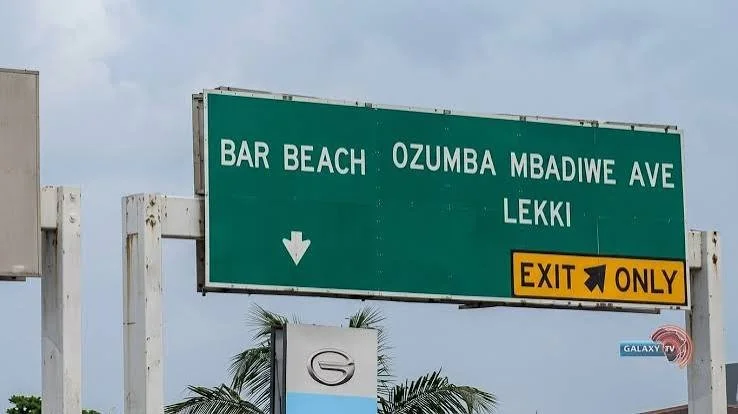
The affected properties are located within Mercyville Estate on Covenant Way, Ilasan, Lekki, one of Lagos' fastest-growing residential corridors. The judgment marks a significant development in the country's ongoing efforts to recover assets linked to alleged financial crimes and enforce compliance within the real estate sector.
Court affirms EFCC's forfeiture application
The final forfeiture order followed legal proceedings initiated by the EFCC after the commission secured an interim forfeiture order for the properties.
According to reports from the proceedings, the court reviewed evidence presented by the anti-graft agency and concluded that the requirements for permanent forfeiture had been satisfied. The judgment therefore transferred ownership of the 52 housing units to the Federal Government.
The case involved Fielddreams Limited, Ifeanyi Nweke and Amex Savings and Loans Limited, entities linked to the disputed properties during the investigation and court process.
Properties located in prime Lagos real estate corridor
The forfeited assets comprise 52 terrace and maisonette housing units situated within Mercyville Estate in the Ilasan area of Lekki.
Lekki remains one of Nigeria's most active residential and commercial property markets, attracting sustained investment from developers, institutional investors and homebuyers. Continued infrastructure expansion and urban growth have strengthened demand for residential developments across the Lekki corridor, contributing to rising property values over the past decade.
The scale of the forfeiture makes the case one of the more significant real estate-related asset recovery actions in recent years, given the number of housing units involved and their location within a high-demand market.
Asset recovery remains a key anti-corruption tool
Asset forfeiture forms a central component of Nigeria's anti-corruption and financial crime enforcement framework.
Under existing laws, courts may authorise the forfeiture of assets where investigators establish sufficient legal grounds connecting properties to unlawful activities. Such proceedings are designed to prevent the retention of assets determined to be proceeds of crime while reinforcing accountability and compliance within the financial system.
The EFCC has increasingly utilised asset recovery mechanisms as part of broader efforts to strengthen financial governance and improve transparency across various sectors of the economy.
Implications for the property sector
While the case primarily concerns asset recovery and judicial enforcement, it also highlights the growing importance of regulatory compliance within Nigeria's real estate market.
Property professionals, developers and investors continue to place greater emphasis on due diligence, ownership verification and compliance with anti-money laundering regulations. Financial institutions and real estate firms increasingly conduct enhanced checks on transactions involving high-value assets to ensure compliance with regulatory requirements.
The ruling underscores the importance of maintaining clear ownership records and transparent funding structures in property transactions, particularly within premium real estate markets such as Lekki.
Potential impact on government-held housing assets
The judgment transfers ownership of the housing units to the Federal Government, although authorities have not yet announced plans for the future use or disposal of the properties.
In previous asset recovery cases, government agencies have explored various options including public auctions, transfers to government institutions or utilisation for public purposes. Any future decision regarding the 52 housing units is expected to follow applicable legal and administrative procedures.
For the real estate sector, the outcome may influence discussions around the management and utilisation of recovered assets, particularly where large residential developments are involved.
Governance and market confidence
Industry observers note that effective enforcement of property rights and judicial decisions contributes to investor confidence by strengthening legal certainty within the market.
Clear legal processes governing ownership disputes, asset recovery and property transfers help reinforce confidence in the rule of law, an important factor for domestic and international investors evaluating opportunities in Nigeria's real estate sector.
The case also demonstrates the increasing intersection between financial regulation, governance and property markets as authorities continue efforts to improve transparency across the economy.
Outlook
The Federal High Court's decision to grant final forfeiture of 52 housing units in Lekki represents a significant asset recovery milestone and reinforces the role of judicial oversight in property-related enforcement actions. While the case centres on governance and asset recovery rather than housing delivery, it highlights the importance of compliance, transparency and legal certainty within Nigeria's real estate market.
As authorities determine the future use of the recovered properties, the ruling is expected to remain a reference point in discussions surrounding asset recovery, property ownership and regulatory enforcement in the country's real estate sector.
READ MORE