Interest Rates Stay Elevated as CBN Maintains Tight Monetary Policy
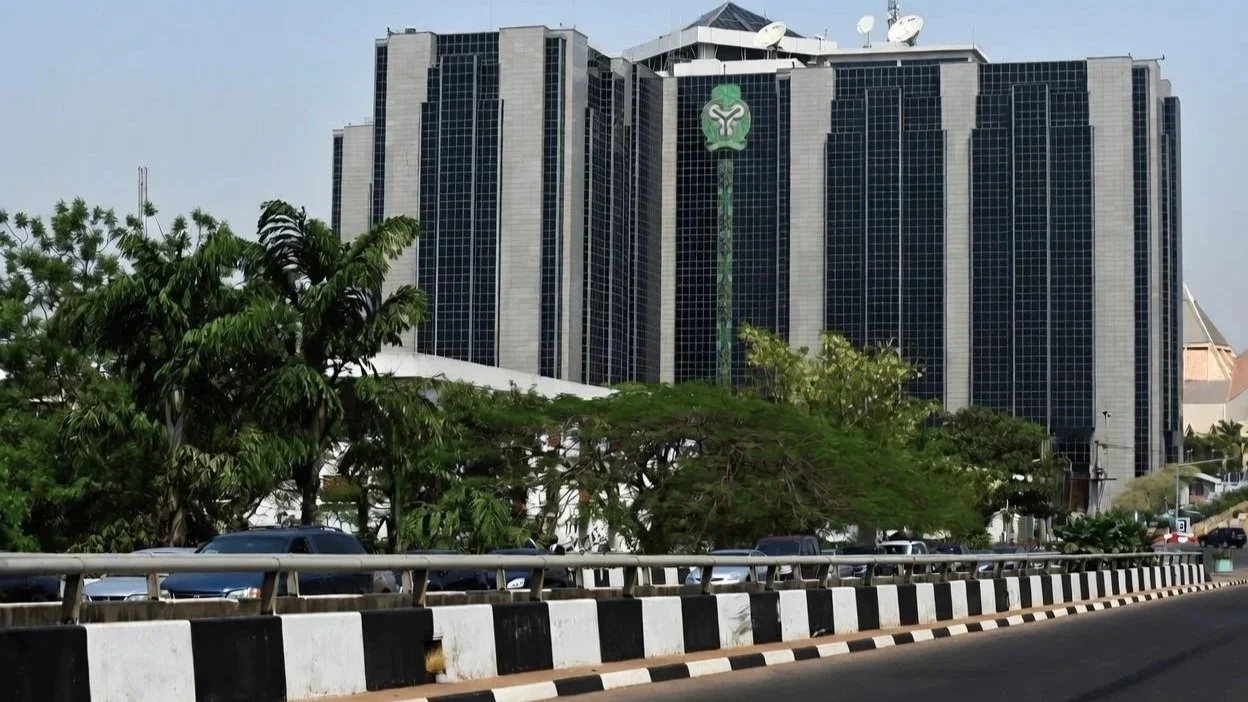
The Central Bank of Nigeria (CBN) has retained the Monetary Policy Rate (MPR) at 26.5 per cent, maintaining its current monetary policy stance amid concerns over inflation and broader economic uncertainties. The decision was announced at the end of the Monetary Policy Committee (MPC) meeting in Abuja, where members voted unanimously to leave all key policy parameters unchanged.
/ You Might Also Like /




The move comes despite a recent moderation in headline inflation, reflecting the apex bank's commitment to sustaining price stability and preserving confidence in the economy.
MPC Maintains Existing Monetary Policy Settings
Addressing journalists after the meeting, CBN Governor Olayemi Cardoso said the committee decided to retain the benchmark lending rate at 26.5 per cent while keeping other monetary policy parameters unchanged.
The MPC also retained the Cash Reserve Ratio (CRR) for Deposit Money Banks at 45 per cent, the CRR for Merchant Banks at 16 per cent, and the Liquidity Ratio at 30 per cent.
According to Cardoso, the committee considered recent macroeconomic developments and concluded that maintaining the current stance would allow more time to assess the effectiveness of earlier policy measures.
Inflation Remains a Key Concern
Although inflation has shown signs of moderation in recent months, the MPC noted that underlying price pressures remain a concern.
Recent National Bureau of Statistics (NBS) data showed that 19 states and the Federal Capital Territory recorded inflation rates above 30 per cent, highlighting persistent regional disparities despite improvements in the national inflation rate.
The committee also cited global economic uncertainty, geopolitical tensions and commodity price volatility as factors that could influence inflationary trends in the months ahead.
Borrowing Costs Likely to Remain Elevated
By retaining the benchmark rate, the CBN is expected to keep borrowing costs relatively high across the economy.
Businesses seeking expansion financing, manufacturers requiring working capital and consumers applying for loans are likely to continue facing elevated lending rates. Financial institutions typically adjust lending rates based on prevailing monetary policy conditions, making the MPR a key indicator for credit pricing.
Analysts say the decision reflects the CBN's determination to prioritise inflation control over short-term credit expansion.
Implications for Housing and Real Estate
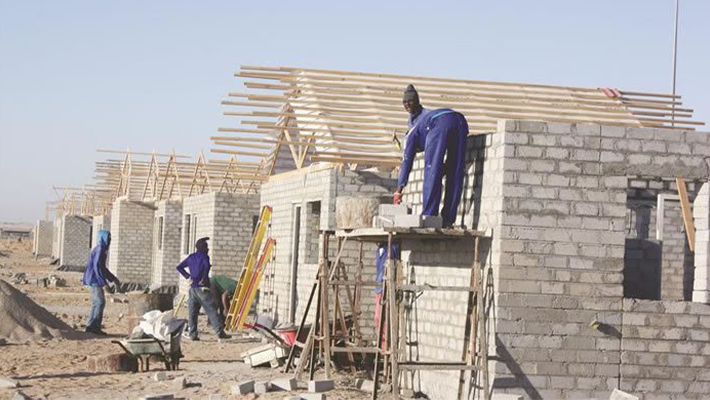
The decision carries significant implications for Nigeria's housing market, where access to affordable finance remains a major constraint.
Higher interest rates increase the cost of mortgage financing, making homeownership more difficult for prospective buyers. Developers also face higher financing costs when raising capital for residential and commercial projects, which can affect project viability and housing supply.
Industry stakeholders have consistently identified affordable mortgage financing as one of the key requirements for addressing Nigeria's housing deficit. The retention of the policy rate means financing conditions are unlikely to ease in the near term.
However, economists note that maintaining macroeconomic stability remains essential for long-term investment in housing, infrastructure and real estate development.
Outlook
The CBN indicated that future monetary policy decisions will remain data-driven, with inflation trends, exchange rate stability and broader economic developments continuing to guide the committee's deliberations.
Market participants will closely monitor upcoming inflation data and economic indicators for clues on when the apex bank may begin easing monetary policy. Until then, borrowing costs are expected to remain elevated, shaping investment decisions across key sectors of the economy.
READ MORE