Building Collapse Blame Deepens as Experts Cite Design and Execution Failures
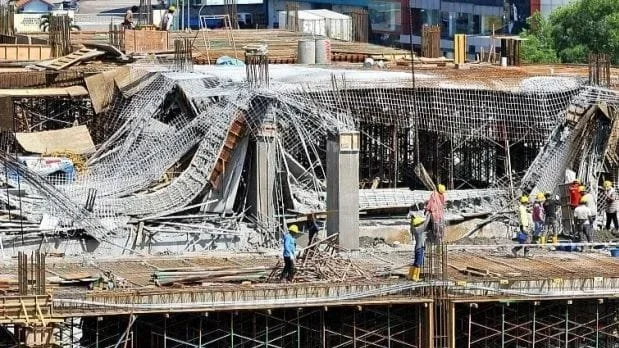
Design Errors, Weak Execution at Core of Rising Building Collapse Incidents
Experts in Nigeria’s construction and housing sector have identified critical design flaws and poor execution practices as the primary causes of recurring building collapses across the country. The latest assessments shift focus from isolated incidents to systemic weaknesses in project planning, supervision, and regulatory enforcement.
/ You Might Also Like /




Design Failures at the Core
Industry professionals note that many collapsed structures originate from defective architectural and structural designs. These include inadequate load calculations, improper foundation planning, and failure to adhere to approved building specifications.
According to sector analyses, deviations from standard design frameworks often begin at the planning stage, where cost-cutting measures or insufficient technical expertise compromise structural integrity. These deficiencies weaken buildings long before construction begins.
Execution Gaps and Site-Level Weaknesses
Beyond design, experts emphasise that execution failures significantly contribute to structural collapses. Poor workmanship, lack of professional supervision, and the use of substandard materials remain persistent challenges in Nigeria’s construction sector.
The Nigerian Institute of Building has consistently linked building failures to unqualified personnel, weak construction management, and disregard for approved plans. Investigations show that many projects proceed without adequate oversight from certified engineers or builders, increasing the likelihood of structural defects.
Regulatory and Compliance Challenges
The blame narrative has also exposed gaps in regulatory enforcement. Experts argue that while building codes and standards exist, compliance remains inconsistent. Weak monitoring systems allow developers to bypass approvals, alter designs mid-construction, or use inferior materials without consequences.
This regulatory lapse creates an environment where unsafe practices persist, undermining efforts to improve construction quality and safety standards.
Systemic Nature of the Crisis
Recent incidents reinforce the view that building collapses are not isolated events but part of a broader systemic issue. Over the years, multiple high-profile collapses—including residential and commercial structures—have resulted in significant loss of life and investment.
Historical cases, such as the 2021 Lagos high-rise collapse, highlight recurring themes of structural weakness, regulatory breaches, and poor project oversight.
Economic and Housing Implications
The impact of building collapses extends beyond safety concerns. These incidents erode investor confidence, increase project risks, and contribute to Nigeria’s housing deficit by destroying existing stock.
For developers and financiers, the prevalence of structural failures raises due diligence costs and underscores the need for stricter project evaluation frameworks. For policymakers, it signals the urgency of strengthening institutional oversight and enforcing accountability across the construction value chain.
Industry Response and Recommendations
Experts advocate a multi-layered response to address the crisis, including:
Mandatory engagement of certified professionals across all project stages
Strengthened enforcement of building codes and approval processes
Adoption of quality assurance systems and independent inspections
Sanctions for developers and contractors who violate standards
They also emphasise the need for continuous training and certification to improve technical capacity within the industry.
The growing consensus among experts is that Nigeria’s building collapse crisis stems from interconnected failures in design and execution, compounded by weak regulatory oversight. Addressing these issues requires coordinated action across policy, enforcement, and industry practice.
Without structural reforms and strict compliance mechanisms, the cycle of building failures will persist, with significant human and economic consequences for the country’s housing sector.
READ MORE