Bank of Industry says new funding will support Nigerian businesses across manufacturing
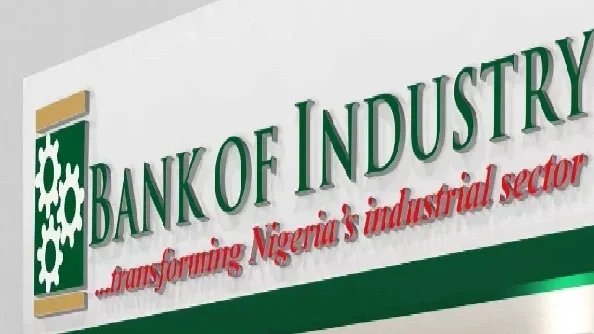
The Bank of Industry (BOI) has mobilised more than €2.2 billion and ₦250 billion in new funding over the past three years to expand financing for Nigerian businesses, with manufacturing and infrastructure receiving a major share of its large-enterprise lending.
BOI Managing Director and Chief Executive Officer Olasupo Olusi disclosed the funding figures while reviewing the bank’s performance under its 2025–2027 corporate strategy. The strategy aims to expand access to long-term capital, strengthen industrial production and support job creation.
/ You Might Also Like /




The funding comprises a €1.879 billion syndicated facility secured in 2024, €210 million from international development partners in 2025 and a ₦250 billion domestic development bond issued in 2026. The bank also secured €85 million from the European Investment Bank for agriculture and €50 million for healthcare manufacturing.
The financing comes as businesses continue to face high borrowing costs and infrastructure constraints. For companies seeking to expand production, access to longer-term funding can help finance equipment, facilities, working capital and other investments that may be difficult to support through conventional commercial loans.
Manufacturing and Infrastructure Take Priority
Olusi said 80 per cent of BOI’s large-enterprise lending now goes to manufacturing and infrastructure, sectors the bank considers important for industrial output and employment.
The infrastructure portfolio covers transport and logistics, power and utilities, and information and communications technology. Other priority areas include agro-processing, pharmaceuticals, chemicals, industrial minerals, oil and gas, mining, healthcare, creative industries and hospitality.
BOI’s strategy reflects an effort to direct development finance towards businesses that can expand productive capacity and strengthen domestic supply chains. Reliable infrastructure and stronger local manufacturing can also help reduce operating costs for businesses that depend on imported inputs, costly power alternatives and long-distance transport.
For the construction and property industries, the wider implications could include improved access to finance for building-material manufacturers, infrastructure contractors and businesses supplying housing developments. However, the announced funding does not establish how much will be allocated directly to residential housing or property development.
₦250bn Bond Broadens Domestic Funding Sources
The ₦250 billion development bond gives BOI another channel for raising long-term capital from Nigeria’s domestic financial market.
The bank announced in August that the bond had been oversubscribed, reflecting demand from institutional investors. Its proceeds are intended to expand the bank’s capacity to provide financing to eligible businesses across priority sectors.
A broader funding base can help a development finance institution reduce its dependence on any single source of capital. It can also create additional capacity to finance investments whose repayment periods and funding requirements may not fit conventional short-term lending arrangements.
The effectiveness of the bond will ultimately depend on how the proceeds are deployed, the terms offered to borrowers and the extent to which financed businesses deliver sustainable output and employment.
BOI Reports ₦644.9bn in 2025 Disbursements
BOI disbursed ₦644.9 billion in 2025, up 26 per cent from ₦510.9 billion in 2024, according to figures released by the bank. The financing reached 12,501 businesses and was associated with an estimated 1.68 million jobs created or supported.
Micro, small and medium-sized enterprises received 41 per cent of the bank’s funding in 2025, exceeding its stated target of 35 per cent. Women-owned businesses accounted for 20 per cent of financing, while youth-owned or youth-run businesses received 20 per cent of small and medium-sized enterprise disbursements.
The bank also reported deploying more than ₦108 billion to infrastructure, including financing for 100 mini-grids and broadband connectivity reaching more than 700 communities. In agriculture, it disbursed approximately ₦213 billion to agro-allied businesses and linked 47,508 smallholder farmers to processors.
These figures indicate the breadth of BOI’s activities, although the reported job impact combines direct, indirect and supported employment rather than representing only direct hires.
Affordable Capital Remains the Key Test
Despite the funding mobilisation, the central challenge is whether BOI can convert additional capital into accessible financing for businesses that need to expand.
High interest rates can make commercial borrowing difficult for manufacturers and smaller enterprises, particularly those with limited collateral or long investment cycles. Development finance can help address this gap, but its impact depends on eligibility requirements, lending terms, project selection and the capacity of borrowers to repay.
For housing-related industries, access to patient capital could support local production of construction materials, infrastructure development and other activities that influence the cost of building homes. Yet broader industrial financing should not be confused with direct mortgage funding or a dedicated affordable-housing programme.
As BOI advances its 2025–2027 strategy, its performance will be measured not only by the amount of funding it raises or disburses, but also by whether that capital expands productive capacity, strengthens local supply chains and creates sustainable employment.
READ MORE