Dangote Refinery Expands Free Fuel Delivery to Kano, Imo, Anambra, Nasarawa
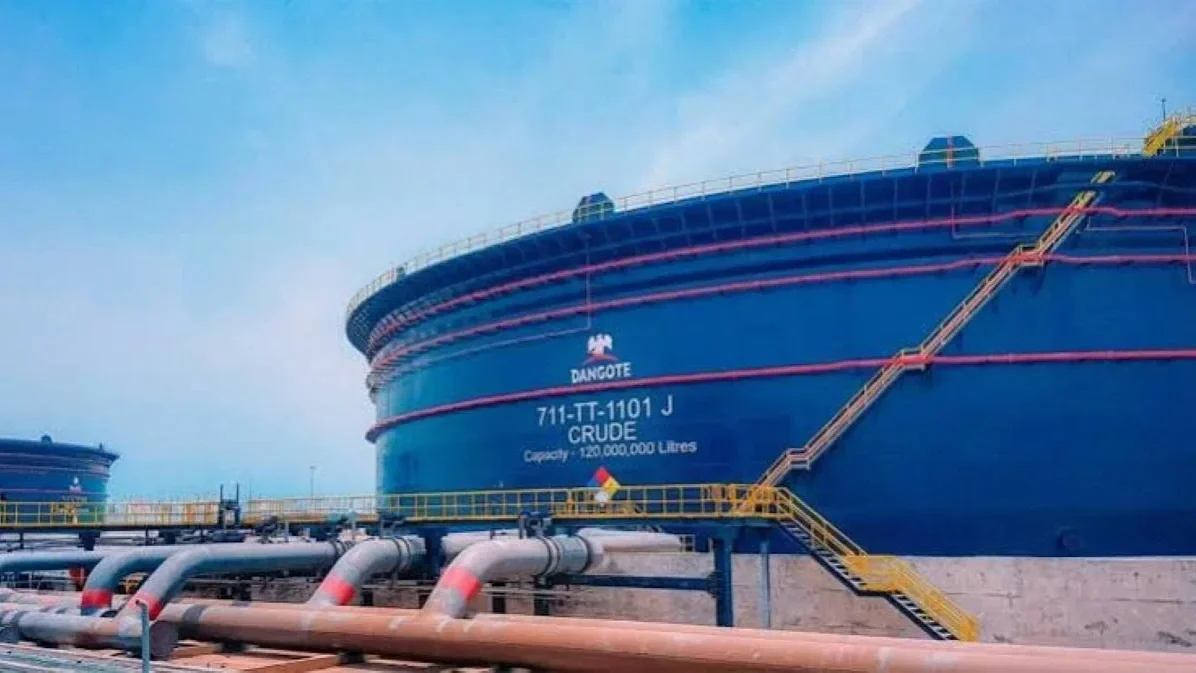
Dangote Expands Free Fuel Delivery as Kano, Imo Join Refinery’s Network
Dangote Petroleum Refinery has expanded its free petroleum product delivery initiative to Kano, Imo, Anambra and Nasarawa states, increasing the number of locations covered by the programme as the refinery seeks to reduce distribution costs for independent petroleum marketers.
/ You Might Also Like /




The initiative initially covered Lagos, Ogun, Rivers, Kaduna, Delta states and the Federal Capital Territory. The latest expansion is expected to reduce the cost of transporting petrol and other petroleum products over long distances and create room for more competitive pump prices.
Dangote Expands Delivery Network
The refinery's latest move extends free delivery to four additional states, bringing the network to 10 locations covering nine states and Abuja. The programme is designed to take transportation costs out of part of the downstream distribution chain by allowing the refinery to bear the cost of delivering products to participating marketers.
Dangote Industries Group Executive Director for Commercial Operations, Oil and Gas, Fatima Aliko-Dangote, said the initiative aims to make fuel distribution more efficient, reduce avoidable costs and support more competitive prices across Nigeria.
The expansion comes as domestic refining capacity continues to reshape Nigeria's downstream petroleum market.
Marketers to Benefit From Lower Distribution Costs
Transportation represents a significant component of the cost of moving petroleum products from refineries to markets across Nigeria.
Marketers supplying states far from the Dangote Refinery in Lagos ordinarily incur expenses associated with haulage, vehicle maintenance, insurance, drivers and other logistics requirements.
By absorbing delivery costs for eligible customers, the refinery is seeking to reduce these expenses and improve the economics of distributing its products to markets farther from Lagos.
Independent petroleum marketers have welcomed the initiative, arguing that lower logistics costs could improve cash flow and reduce some of the financial pressures associated with moving products across long distances.
Lower Pump Prices Remain Dependent on Marketers
The reduction in distribution costs does not automatically mean petrol prices will fall by the same amount.
The final retail price of petrol depends on several factors, including the refinery's selling price, transportation costs, financing expenses, exchange-rate movements and marketers' margins.
The refinery and marketers have not announced a specific new pump price resulting from the latest expansion. Any savings generated through the free-delivery arrangement will therefore depend partly on how marketers reflect those lower costs in their retail pricing.
More States Could Benefit
The expansion increases the geographic reach of Dangote Refinery's distribution network and could strengthen the refinery's position in Nigeria's downstream market.
The four new states — Kano, Imo, Anambra and Nasarawa — give the refinery greater access to markets outside the immediate Lagos and South-West corridor.
For consumers and businesses in those markets, lower distribution costs could improve the competitiveness of locally refined petroleum products if the savings reach the retail market.
Initiative Could Improve Fuel Supply Efficiency
The free delivery programme also has implications for the efficiency of Nigeria's petroleum supply chain.
A larger domestic refining base reduces the need to transport imported refined products into the country, while direct distribution from a major domestic refinery can shorten some supply routes.
Dangote Refinery has increasingly expanded its role in supplying refined products to the Nigerian market while also serving international customers. The facility has a nameplate capacity of 650,000 barrels per day and has reported processing above that level during performance testing.
The expansion of direct delivery adds another layer to that strategy by focusing not only on production but also on the cost of moving products to customers.
Implications for Businesses and Consumers
Lower logistics expenses could benefit more than petrol retailers if the savings are passed through the supply chain.
Transportation companies, manufacturers, telecommunications operators and other businesses that depend heavily on diesel and petrol could benefit from more efficient product distribution and potentially lower prices.
For households, however, the impact will depend on whether lower distribution costs translate into sustained reductions in retail fuel prices.
Fuel prices have wider consequences for the Nigerian economy because petrol and diesel costs influence transportation, food distribution, construction, manufacturing and other business activities.
Distribution Becomes More Important as Refining Capacity Grows
The latest development highlights the growing importance of distribution infrastructure as Nigeria expands domestic refining capacity.
Producing petroleum products locally is only one part of the downstream supply chain. Efficiently moving those products from refineries to markets remains essential to controlling costs and ensuring availability across the country.
For investors and policymakers, improvements in fuel distribution could complement increased refining capacity by reducing inefficiencies between production and consumption centres.
Outlook
Dangote Refinery's expansion of free fuel delivery to Kano, Imo, Anambra and Nasarawa increases the reach of its initiative to reduce distribution costs for petroleum marketers. The programme could create room for lower fuel prices, although the actual benefit to consumers will depend on how marketers respond to the savings.
As domestic refining capacity continues to grow, the effectiveness of distribution networks will remain critical to determining how much of the benefit from local refining reaches households, businesses and the wider Nigerian economy.
READ MORE