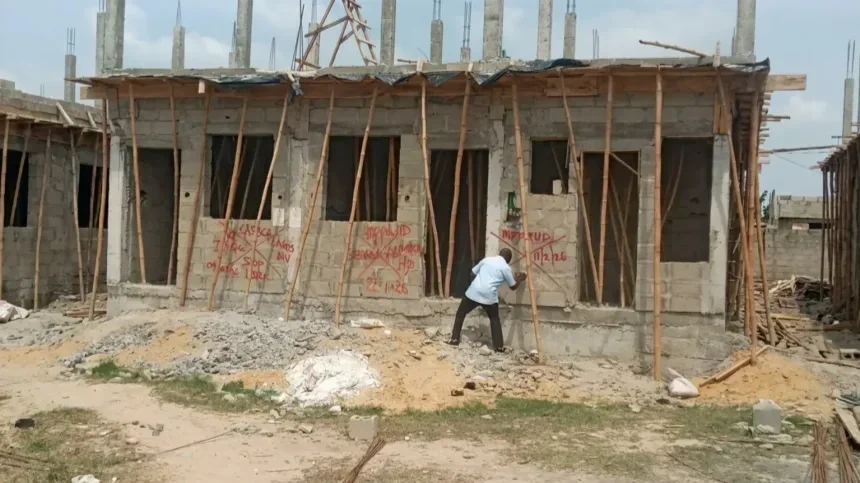
Stakeholders Urge Better Planning to Support Nigeria’s Rapid Urbanisation
The Atejibe Foundation has called for comprehensive reforms in Nigeria’s physical planning system, arguing that stronger planning frameworks are essential to achieving sustainable urban development, improving housing delivery and addressing the challenges associated with rapid urbanisation. The organisation stressed that effective physical planning remains critical to building resilient cities capable of supporting economic growth, infrastructure development and improved living standards.
/ You Might Also Like /




The call was made during discussions focused on the future of Nigeria’s urban centres, where stakeholders highlighted the increasing pressure on housing, transportation networks, public infrastructure and environmental resources. According to the foundation, coordinated planning is necessary to ensure that urban expansion occurs in a structured and sustainable manner.
Growing Urbanisation Increases Planning Challenges
Nigeria is one of the fastest-urbanising countries in the world, with cities experiencing significant population growth driven by rural-to-urban migration, economic opportunities and demographic expansion. While urbanisation presents opportunities for economic development, it also places increasing pressure on housing supply, transportation systems, utilities and public services.
Urban development experts note that many Nigerian cities continue to grapple with unplanned settlements, inadequate infrastructure and inefficient land-use patterns. These challenges often contribute to housing shortages, traffic congestion, environmental degradation and reduced quality of life for residents.
The Atejibe Foundation argued that stronger physical planning policies can help cities manage growth more effectively while ensuring that infrastructure and public services keep pace with population expansion.
Physical Planning Seen as Key to Housing Delivery
The foundation identified physical planning as a critical component of housing development, noting that effective land-use management is necessary to support the delivery of affordable and sustainable housing projects.
According to stakeholders, weak planning frameworks can create barriers to housing development by contributing to inefficient land allocation, infrastructure deficits and regulatory uncertainties. Improved planning processes could help unlock land for development, reduce construction delays and support more coordinated housing initiatives.
The organisation stressed that housing development should be integrated with transportation systems, healthcare facilities, schools, commercial centres and other essential infrastructure to create functional and liveable communities.
Need for Better Land Use Management
A major focus of the foundation’s recommendations centred on land-use planning and development control. Experts argue that effective land management policies are essential to preventing urban sprawl, protecting environmentally sensitive areas and ensuring efficient use of available land resources.
In many urban centres, uncontrolled development has contributed to the emergence of informal settlements and increased pressure on existing infrastructure. Stakeholders believe stronger planning regulations and enforcement mechanisms can help address these challenges while supporting orderly urban growth.
The foundation also highlighted the importance of modern planning tools, data-driven decision-making and digital land administration systems in improving urban governance.
Infrastructure Development Must Align With City Growth
The organisation emphasised that infrastructure investment should be closely aligned with urban development strategies. Roads, drainage systems, water supply networks, electricity infrastructure and public transportation systems all require coordinated planning to meet the needs of growing populations.
Experts note that inadequate planning often results in infrastructure deficits that increase development costs and reduce economic productivity. By integrating infrastructure planning with land-use policies, cities can improve efficiency, reduce congestion and enhance overall quality of life.
The foundation argued that long-term planning frameworks are necessary to ensure that infrastructure investments support sustainable urban growth rather than merely responding to existing challenges.
Environmental Sustainability Remains Critical
The Atejibe Foundation also stressed the environmental dimension of urban planning, warning that poorly managed urban growth can increase vulnerability to flooding, pollution and other environmental risks.
As climate-related challenges become more pronounced, stakeholders argue that cities must adopt planning approaches that promote resilience, environmental protection and sustainable resource management. This includes preserving green spaces, improving drainage systems and encouraging environmentally responsible development practices.
The organisation noted that sustainable planning can help cities balance economic growth with environmental stewardship while creating healthier living environments for residents.
Policy Coordination and Stakeholder Collaboration
The foundation called for stronger collaboration among federal, state and local governments, as well as private-sector stakeholders, professional bodies and development organisations involved in urban development.
According to the organisation, effective urban planning requires coordinated policy implementation, adequate funding and institutional capacity. Stakeholders also emphasised the need for greater public awareness and community participation in planning processes to ensure that development initiatives reflect local needs and priorities.
The foundation believes that improved governance and stakeholder engagement will be essential to achieving long-term urban development objectives.
Implications for Nigeria’s Housing Market
For the housing sector, stronger physical planning frameworks could create a more predictable environment for developers, investors and homebuyers. Improved planning can support land availability, infrastructure provision and regulatory efficiency, all of which influence housing supply and affordability.
Real estate professionals argue that well-planned communities generally attract greater investment, support higher-quality developments and contribute to more sustainable property markets. As Nigeria continues to confront a significant housing deficit, planning reforms may play an important role in accelerating housing delivery.
The recommendations also align with broader efforts to improve urban resilience and support the development of inclusive, economically productive cities.
Outlook
The Atejibe Foundation’s call for stronger physical planning highlights the growing recognition that sustainable urban development requires more than infrastructure investment alone. Effective planning frameworks remain essential to managing population growth, expanding housing supply and creating resilient cities capable of supporting long-term economic development.
As Nigeria’s urban population continues to expand, policymakers, developers and urban planners will face increasing pressure to implement strategies that promote orderly growth, environmental sustainability and improved quality of life. Strengthening physical planning systems could become a critical component of efforts to build more inclusive and sustainable cities across the country.
READ MORE