Lagos begins consultations for its 2027 budget
The Lagos State Government has commenced consultations with residents and other stakeholders across the state’s five divisions as it begins preparations for the 2027 Appropriation Bill.
The exercise, organised by the Ministry of Economic Planning and Budget, is intended to gather residents’ priorities and concerns and incorporate them into the state’s next fiscal plan.
/ You Might Also Like /




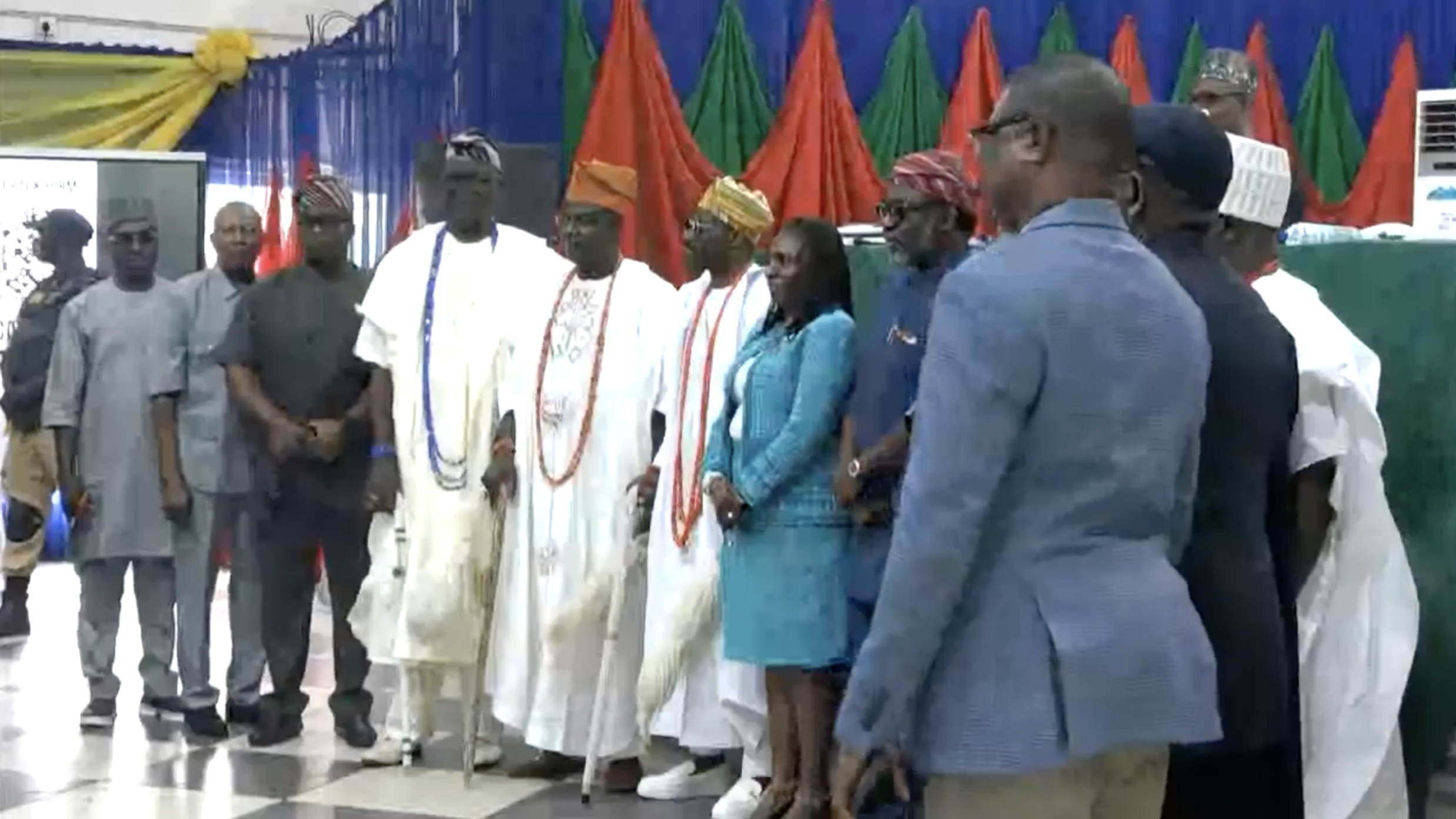
The first 2027 Budget Consultative Forum was held at the Multipurpose Hall of Radio Lagos in Agidingbi, Ikeja, with government officials and residents participating in discussions on the state’s development priorities.
Government Seeks Grassroots Input
Commissioner for Economic Planning and Budget, Ope George, said the consultation provides residents with an opportunity to identify priority areas and make direct contributions to the 2027 budget.
He also said the government used the forum to report on projects and programmes implemented in response to demands raised during previous budget consultations.
According to the commissioner, although the government could not accommodate every request submitted by residents, it has maintained the practice of returning to communities to provide feedback on implementation and gather new priorities for subsequent budgets.
The approach is intended to make the budgeting process more responsive to the needs of communities.
Consultations to Continue Across Lagos
Permanent Secretary of the ministry, Olayinka Ojo, described the engagement as an avenue for data gathering and feedback.
She said wider citizen participation would enable residents to contribute to policies and programmes designed to address their needs and aspirations.
The consultations are expected to continue across Lagos’ five divisions before the state presents and considers the 2027 Appropriation Bill.
Infrastructure Priorities Remain Important
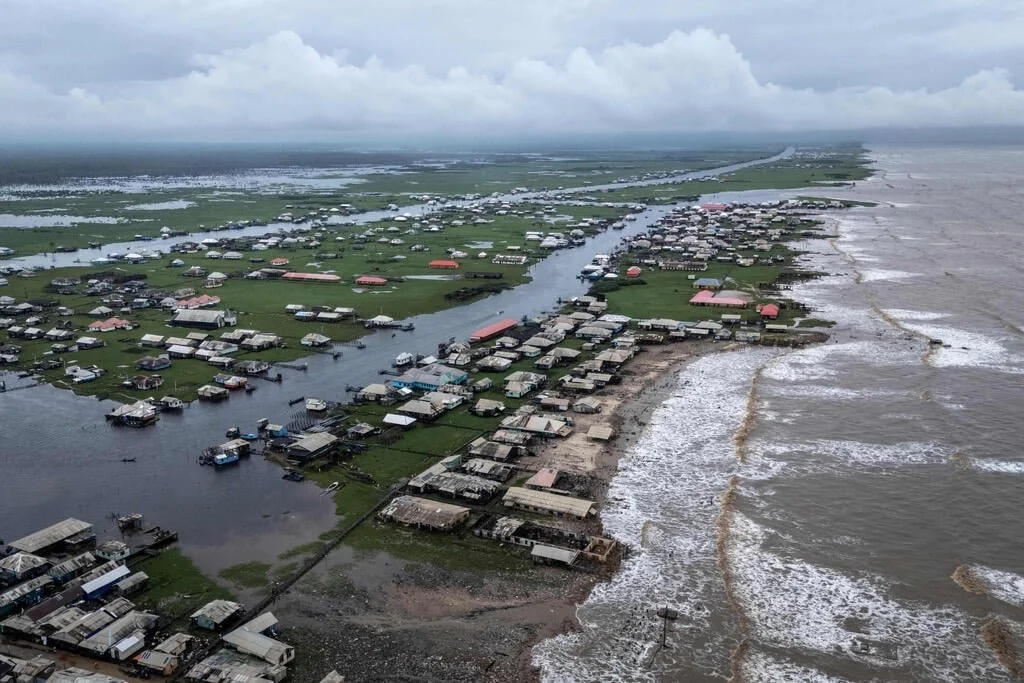
Stakeholders at the consultation also called for sustained investment in environmental management and urged the government to maintain its efforts to improve Lagos’ environmental standards.
For a densely populated and rapidly expanding city such as Lagos, environmental management remains closely connected to infrastructure and urban development.
Drainage, waste management, roads, transportation and flood control can directly influence the quality and value of residential communities.
Budget Priorities Could Shape Housing Development
The 2027 budget consultation also has significance for Lagos’ housing market because government spending on infrastructure can influence where and how residential development takes place.
Improved roads, drainage, public transport, water infrastructure and environmental management can make emerging communities more attractive to residents and developers.
Infrastructure investment can also improve accessibility to areas outside established urban centres, potentially supporting new residential and mixed-use development where adequate land is available.
However, the impact will depend not only on what is included in the budget but also on the level of funding and implementation.
Better Infrastructure Can Support Property Values
Infrastructure delivery remains an important factor in Lagos property-market performance.
Areas with improved transportation links and public infrastructure can become more accessible to workers and businesses, potentially increasing demand for residential and commercial property.
Conversely, inadequate drainage, poor roads and weak environmental management can reduce neighbourhood liveability and increase the cost of maintaining properties.
For developers and investors, the implementation of infrastructure projects contained in the 2027 budget could therefore influence development decisions across different parts of the state.
From Consultation to Implementation
The effectiveness of the consultation process will ultimately depend on how residents’ priorities are reflected in the final budget and how effectively approved projects are implemented.
Public participation can improve the relevance of government spending, but regular monitoring and transparent reporting remain important to ensure that projects reach the communities that identified them as priorities.
For the housing sector, this is particularly important because infrastructure deficits often increase the cost of delivering and occupying homes.
Outlook for Lagos’ Housing Market
Lagos’ 2027 budget process provides an opportunity for the state to align public spending more closely with the infrastructure and environmental needs of its growing population.
For the housing market, priorities around roads, drainage, transportation and environmental management could influence the attractiveness of different residential locations and support development in underserved areas.
The consultations across the five divisions will therefore be important not only for determining the state’s broader spending priorities but also for identifying infrastructure needs that can support more sustainable urban growth and housing delivery.
READ MORE