FG Suspends Planned Closure of Eko Bridge After Safety Review
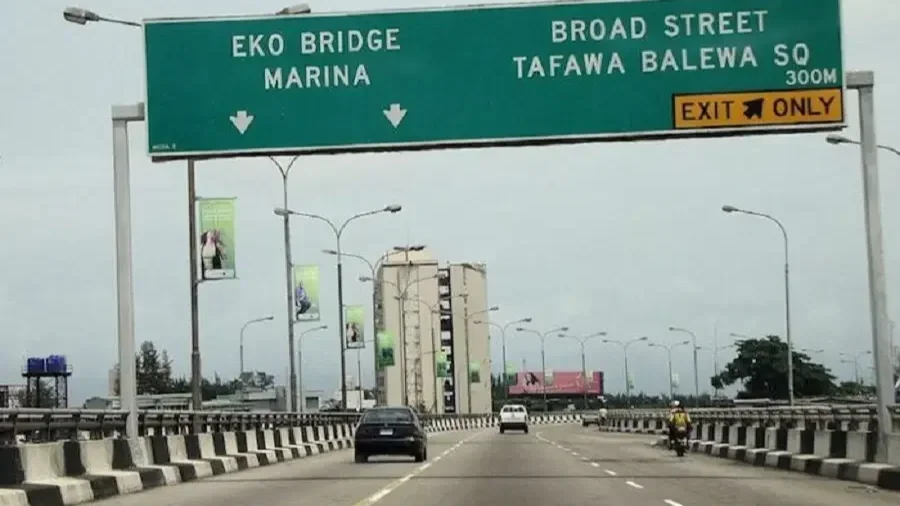
Lagos Traffic Relief as FG Suspends Planned Eko Bridge Shutdown
The Federal Government has suspended the planned closure of Eko Bridge in Lagos State following a fresh technical assessment that found the structure safe for continued use, easing concerns over potential traffic disruptions across the commercial hub.
Minister of Works, Senator Dave Umahi, disclosed the decision during an inspection of the bridge, stating that the Federal Government reconsidered the earlier closure plan after President Bola Tinubu directed a second evaluation to minimise hardship for commuters and businesses relying on the route.
/ You Might Also Like /




Government Reassesses Earlier Closure Decision
The Federal Government had previously announced plans to shut a section of Eko Bridge following concerns over structural damage identified during engineering assessments. Earlier investigations reportedly revealed defects in several supporting piles beneath parts of the bridge infrastructure.
According to Umahi, engineers conducted another round of technical evaluations on Monday and concluded that the bridge remains stable for now.
“We have done our technical evaluation in line with the President’s directive,” Umahi said during the inspection. “Putting safety over and above every decision, we have seen that, for now, we are safe.”
The minister added that authorities would continue monitoring the identified cracks to ensure public safety is not compromised.
Planned Closure Had Raised Traffic Concerns
The proposed closure had triggered concerns among motorists, logistics operators, and businesses due to the bridge’s strategic importance within Lagos’ transport network.
Eko Bridge is one of the three major bridges connecting Lagos Island to the mainland, alongside the Third Mainland Bridge and Carter Bridge. The route serves thousands of daily commuters travelling between Apapa, Surulere, Ijora, and Lagos Island.
Prior to the suspension, the Lagos State Government had announced traffic diversion plans directing motorists toward the Third Mainland Bridge and adjoining corridors during the rehabilitation period.
The closure was initially scheduled to begin in May 2026 before authorities later postponed implementation pending further consultations and engineering reviews.
FG to Begin Remedial Repair Works
Although the closure has been suspended, the Federal Government said remedial work will still commence to strengthen vulnerable sections of the bridge.
Umahi explained that the planned intervention would include additional piling works and structural reinforcement around the affected areas to bypass damaged sections while maintaining traffic flow.
According to the minister, contractors are expected to execute temporary stabilisation measures over the next four months before larger rehabilitation work begins on the affected slab sections of the bridge.
He also stated that the Ministry of Works would continue periodic inspections to monitor any progression in the identified structural cracks.
Infrastructure Maintenance Pressures Persist
The Eko Bridge development highlights ongoing pressure on Lagos’ ageing transport infrastructure amid increasing urban traffic volumes and rising maintenance demands.
Several major bridge rehabilitation projects have been undertaken across Lagos in recent years, including repair works on the Third Mainland Bridge and Carter Bridge. Federal authorities have repeatedly stressed the need for structural assessments and preventive maintenance to preserve critical transport assets.
Analysts note that maintaining uninterrupted traffic movement remains critical for Lagos, which accounts for a significant share of Nigeria’s commercial and logistics activities.
Outlook
While the immediate closure of Eko Bridge has been suspended, federal authorities indicated that long-term rehabilitation plans remain under consideration as structural monitoring continues.
The government’s decision provides temporary relief for commuters and businesses already dealing with congestion across Lagos’ transport corridors. However, ongoing engineering evaluations suggest that broader infrastructure maintenance challenges within the city’s road and bridge network remain a priority for policymakers.
READ MORE