Abuja Water Supply Challenges Continue Amid ₦155bn Infrastructure Spending
Abuja Water Supply Gap Widens Despite Major Government Spending
Residents across Nigeria’s Federal Capital Territory (FCT) continue to grapple with persistent water shortages despite more than ₦155 billion reportedly invested in water infrastructure projects aimed at improving supply across Abuja and surrounding satellite communities.
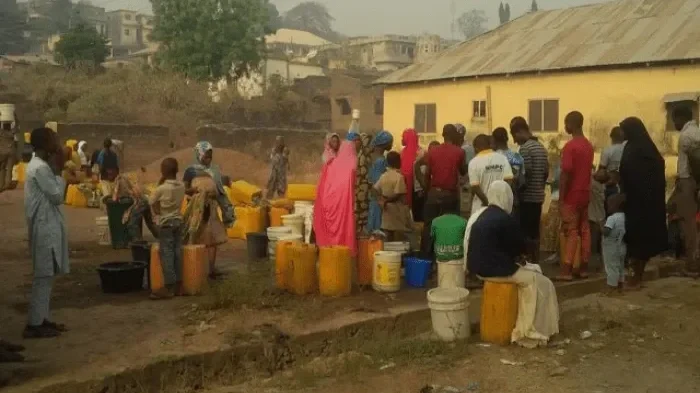
Recent findings indicate that households and businesses in several districts still rely heavily on private boreholes, water vendors, and tanker services due to irregular or non-existent public water supply. The situation has intensified concerns over infrastructure delivery, urban planning efficiency, and governance challenges within the FCT’s rapidly expanding urban system.
/ You Might Also Like /




According to reports, recent water infrastructure projects undertaken by the FCT Administration include the $470 million Greater Abuja Water Supply Project, rehabilitation of the Lower Usuma Dam treatment facilities, and the ₦90 billion Bwari Township Water Supply Project.
However, despite these large-scale investments, access to reliable pipe-borne water remains inconsistent across many residential districts and satellite towns.
Residents Continue to Depend on Boreholes and Water Vendors
Communities in Lugbe, Kubwa, Nyanya, Gwagwalada, Lokogoma, Sauka, and several expanding suburban districts reportedly continue to experience prolonged water shortages despite ongoing infrastructure expansion efforts.
Residents say they spend substantial amounts weekly purchasing water from commercial vendors or maintaining private boreholes due to unreliable public supply systems.
Some households also depend on shallow wells and informal groundwater sources, raising concerns about water quality, sanitation, and public health risks.
Experts warn that prolonged dependence on untreated groundwater and unregulated water vendors could increase exposure to water-borne diseases such as cholera and typhoid.
The shortages have become particularly severe in rapidly growing peri-urban communities where population growth has significantly outpaced infrastructure expansion.
Infrastructure Expansion Struggles to Match Population Growth
Urban development experts say Abuja’s water infrastructure has failed to keep pace with the city’s rapid population expansion and accelerated migration inflows.
The Federal Capital Territory has witnessed significant population growth over the past decade due to insecurity, economic migration, and expanding urbanisation pressures across Nigeria.
Former Executive Director of the FCT Rural Water Supply and Sanitation Directorate, Mohammed Dan-Hassan, stated that the rate of infrastructure development has not matched the speed of population growth within the capital territory.
“The rate of influx is not commensurate with the rate of development,” he said, noting that increased urban pressure has overstretched existing water infrastructure systems.
Analysts say many newly developing districts continue to lack complete transmission pipelines, reservoirs, and distribution networks necessary for reliable pipe-borne water access.
Distribution Infrastructure Identified as Major Bottleneck
Experts note that Abuja’s primary challenge is no longer solely water production capacity but distribution infrastructure deficiencies.
The Lower Usuma Dam Water Works reportedly possesses substantial treatment capacity, yet incomplete transmission systems continue to prevent effective delivery to expanding residential districts.
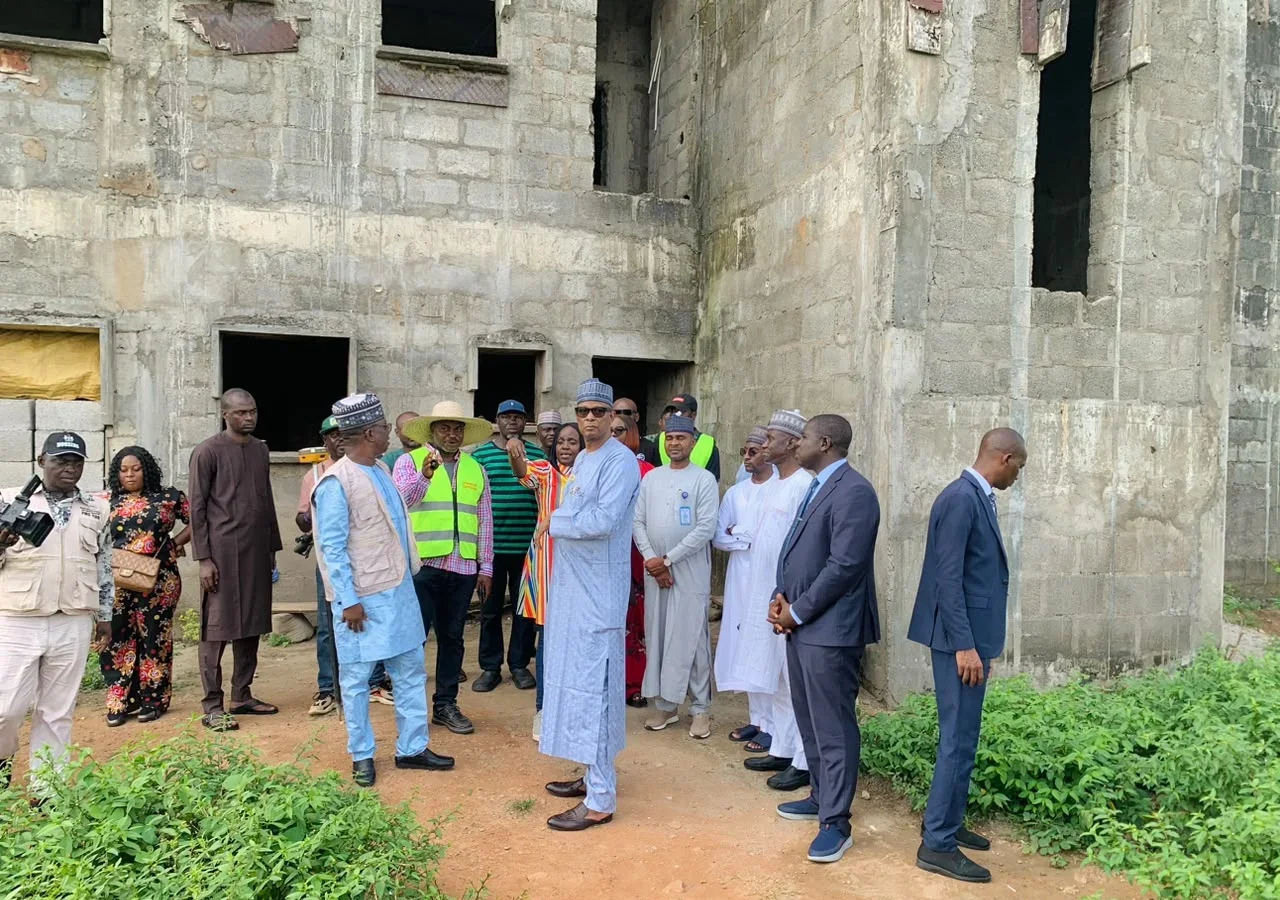
According to Dan-Hassan, major transmission pipelines are still under construction along critical routes including Airport Road and the Kubwa Expressway to support water supply expansion into underserved communities.
Analysts say incomplete infrastructure networks mean that even where treatment plants can produce sufficient water volumes, large segments of the population remain disconnected from the central distribution grid.
This gap has intensified dependence on groundwater extraction through private boreholes, increasing long-term sustainability concerns.
Governance and Operational Challenges Persist
Beyond infrastructure limitations, governance and operational inefficiencies continue to affect Abuja’s water supply system.
Residents and analysts have cited procurement delays, unpaid electricity debts, maintenance challenges, illegal pipeline connections, and vandalism as factors disrupting supply operations.
Earlier in 2026, reports emerged that operations at the Lower Usuma Dam were disrupted after electricity supply to the FCT Water Board was reportedly disconnected due to unpaid electricity bills owed to the Abuja Electricity Distribution Company (AEDC).
The disruption reportedly forced authorities to temporarily rely on diesel-powered generators, which experts said could not effectively support full treatment and pumping operations.
Observers argue that such incidents highlight broader institutional and funding weaknesses affecting public utility management within the FCT.
Climate and Groundwater Pressure Increase Risks
Environmental experts also warn that climate variability and declining groundwater levels are worsening Abuja’s water supply challenges.
Fluctuating rainfall patterns, sedimentation at reservoirs, and increased evaporation have reportedly affected water storage efficiency at the Lower Usuma Dam.
Meanwhile, increased dependence on groundwater extraction has pushed drilling depths significantly deeper in many districts compared with previous years.
Experts say areas that previously required drilling depths of 40 to 50 metres now often require drilling beyond 100 metres before sufficient groundwater can be located.
Urban planners warn that unsustainable groundwater extraction could worsen long-term water security risks if infrastructure deficits persist.
Public Health Concerns Intensify
Water and sanitation advocates say persistent shortages continue to expose residents to sanitation risks and public health vulnerabilities.
The National Coordinator of the Society for Water and Sanitation (NEWSAN), Attah Benson, warned that prolonged shortages increase exposure to unsafe water sources and poor hygiene conditions.
Analysts note that water scarcity also disproportionately affects women and children, who often spend significant time sourcing water for household use.
Public health experts warn that inadequate access to clean water could increase healthcare costs and reduce productivity across affected communities.
Urban Infrastructure Challenges Extend Beyond Water Supply
The Abuja water crisis reflects broader infrastructure management challenges affecting Nigeria’s rapidly urbanising cities.
Urban analysts note that housing expansion, transportation growth, sanitation systems, and utility infrastructure have struggled to keep pace with urban migration and demographic growth.
Infrastructure experts argue that stronger institutional coordination, faster project delivery, and improved maintenance frameworks will be necessary to support long-term urban resilience within the FCT.
Several stakeholders have also called for greater transparency regarding infrastructure financing, implementation timelines, and operational accountability for major public utility projects.
Residents Question Impact of Massive Spending
The persistence of water shortages despite over ₦155 billion in reported infrastructure spending has raised questions among residents regarding project implementation efficiency and long-term planning outcomes.
Many residents argue that visible improvements in daily water access have remained limited despite repeated announcements surrounding major water infrastructure investments.
Urban governance analysts say the situation highlights the importance of aligning capital expenditure with operational efficiency, maintenance capacity, and sustainable service delivery.
Abuja’s persistent water crisis despite substantial infrastructure investment underscores the growing pressure facing Nigeria’s rapidly expanding urban centres.
While authorities continue to pursue major water expansion projects, analysts say incomplete distribution systems, governance inefficiencies, operational constraints, and population growth remain major barriers to reliable public water access.
As Abuja continues to expand, experts argue that long-term water security will depend not only on infrastructure spending but also on effective maintenance, institutional accountability, sustainable planning, and stronger coordination across the FCT’s utility management systems.
READ MORE