250,000 Abandoned Homes Face Revival as Government Targets 40% Rent-to-Income Limit
Rent Burden Drives Push to Revive 250,000 Abandoned Homes
Nearly 250,000 abandoned housing units across Nigeria are being considered for revival as the government moves to expand the supply of affordable homes and reduce the share of workers’ income spent on rent.
The Minister of Housing and Urban Development, Muttaqha Darma, said the government was working to ensure Nigerian workers do not spend between 40% and 60% of their income on rent.
/ You Might Also Like /




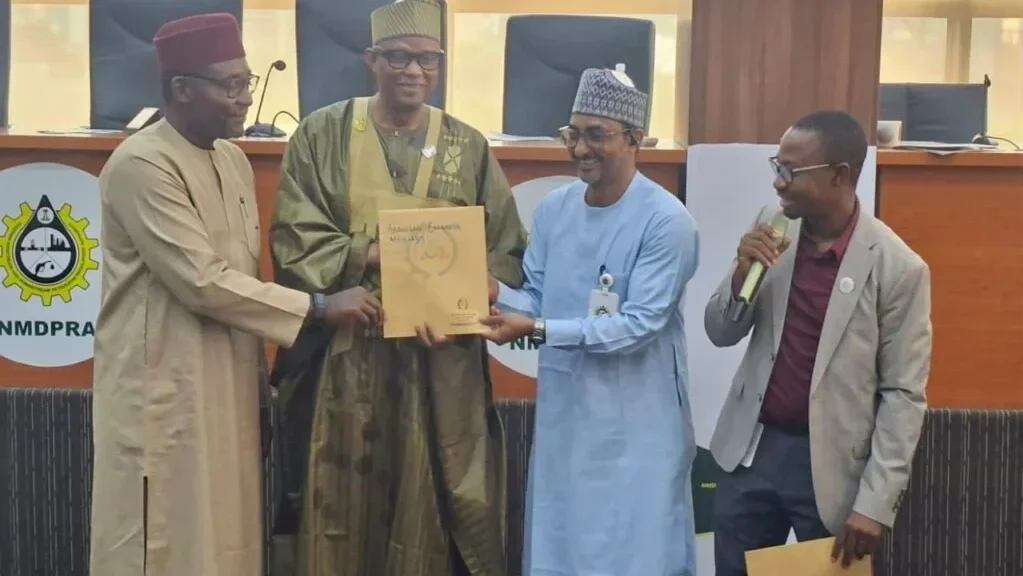
He disclosed this while speaking on the government’s housing agenda and commending the Nigerian Midstream and Downstream Petroleum Regulatory Authority (NMDPRA) for supporting affordable housing access for its workers.
The minister’s comments come as housing affordability remains a major constraint for households, with the government also reviewing stalled housing projects as a way of increasing supply without relying entirely on new construction.
Nearly 250,000 Abandoned Housing Units Identified
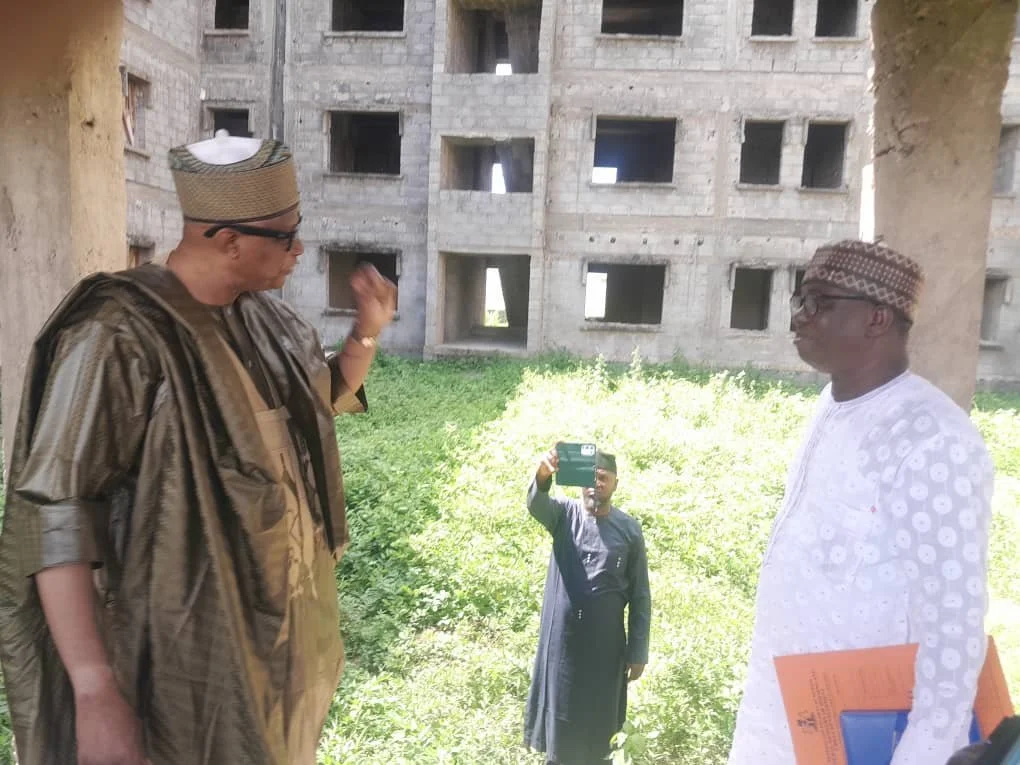
Darma said the ministry had begun taking stock of abandoned housing projects across the country, including schemes that date back several administrations.
The exercise covers projects under the National Housing Programme as well as older developments initiated during the administration of former President Olusegun Obasanjo.
According to the minister, the government is compiling data on the abandoned projects and visiting states where the properties are located.
The Federal Government is also engaging state governors over the possibility of states taking over or purchasing the abandoned projects, renovating them and converting them into usable homes for civil servants.
Darma said the ministry had identified close to 250,000 abandoned housing units nationwide.
States Could Take Over and Rehabilitate Projects
Under the proposed approach, state governments could acquire or take over some of the abandoned developments and complete the work required to make the properties habitable.
The strategy would allow governments to bring stalled housing assets back into use rather than leaving completed or partially completed structures outside the formal housing supply.
Darma expressed optimism that if states could take over the identified units within the coming months and allocate them to civil servants, the move would represent significant progress in addressing the housing shortage.
However, the proposal still requires coordination between federal and state authorities, assessment of the condition and ownership of individual projects, funding for rehabilitation and decisions on allocation.
Government Targets Lower Rent Burden for Workers
Alongside the abandoned-housing initiative, the government wants to reduce the proportion of workers’ income consumed by rent.
Darma said the government would work towards ensuring workers do not spend 40% to 60% of their income on rent, with the broader objective of improving access to decent and affordable housing.
The minister linked excessive housing costs to wider household pressures, noting that workers who devote a large share of their legitimate income to rent may have less available for education, welfare and other family needs.
Importantly, the announcement represents a policy objective, rather than evidence that a nationwide statutory rent cap of 40% has already been introduced.
Housing Supply Remains Central to Affordability
The focus on abandoned projects reflects a fundamental challenge in Nigeria’s housing market: affordability cannot be addressed through rent measures alone if the supply of suitable housing remains inadequate.
Bringing stalled units back into productive use could increase available housing stock in locations where infrastructure and development have already been partially established.
For developers and investors, rehabilitating existing projects can also present a different delivery model from starting new developments from the ground up. However, the commercial viability of individual projects would depend on their location, structural condition, outstanding liabilities, infrastructure and the cost of completing them.
Government Puts Housing Deficit at 16 Million Units
Darma said about 110 million Nigerians are currently unhoused and that an estimated 16 million housing units would be required to address the country's housing deficit.
The figures underscore the scale of the challenge facing policymakers and the need to expand housing delivery beyond individual government construction programmes.
The minister said the ministry had engaged stakeholders in the housing sector and relevant regulators to facilitate the provision of additional housing units in the coming months.
The government's proposed strategy therefore combines new housing delivery with the rehabilitation and reuse of existing abandoned projects.
Affordability Will Depend on More Than Rent Levels
While a lower rent-to-income burden could improve household affordability, the success of the policy objective will depend on how additional housing supply is delivered and priced.
Construction costs, land prices, infrastructure expenses, financing costs and household incomes all influence the final cost of housing.
For developers, maintaining affordable price points while covering development and financing costs remains a major challenge. This makes mechanisms that reduce development costs, provide infrastructure and improve access to long-term housing finance important alongside any rent-related intervention.
Reviving Abandoned Homes Could Expand Housing Stock
The proposed rehabilitation of 250,000 abandoned units could provide an additional route to expanding Nigeria’s housing stock if the projects can be brought back into service efficiently.
It could also give state governments an opportunity to address civil servants’ housing needs through existing developments rather than depending entirely on new estates.
However, the scale of the initiative means implementation will be critical. Identifying the projects is only the first step; governments will still need to establish ownership, assess structural conditions, determine rehabilitation costs, provide infrastructure where necessary and establish transparent allocation mechanisms.
Outlook
The government’s twin focus on reducing workers’ rent burden and reviving abandoned housing projects points to a broader shift towards tackling Nigeria’s housing challenge through both supply expansion and affordability measures.
The nearly 250,000 abandoned units could provide a substantial additional pool of housing if states can acquire, rehabilitate and allocate them within a workable timeframe.
For the wider property market, the key issue will be whether the initiative moves beyond identifying abandoned projects to actually returning viable homes to the market. At the same time, reducing workers’ rent burden to 40% of income will require sustained growth in affordable housing supply, alongside financing and development policies that make those homes accessible to households.
READ MORE