Nigeria Foreign Minister Resigns to Pursue Bauchi Governorship

Nigeria’s Foreign Affairs Minister Resigns Amid Political Ambition
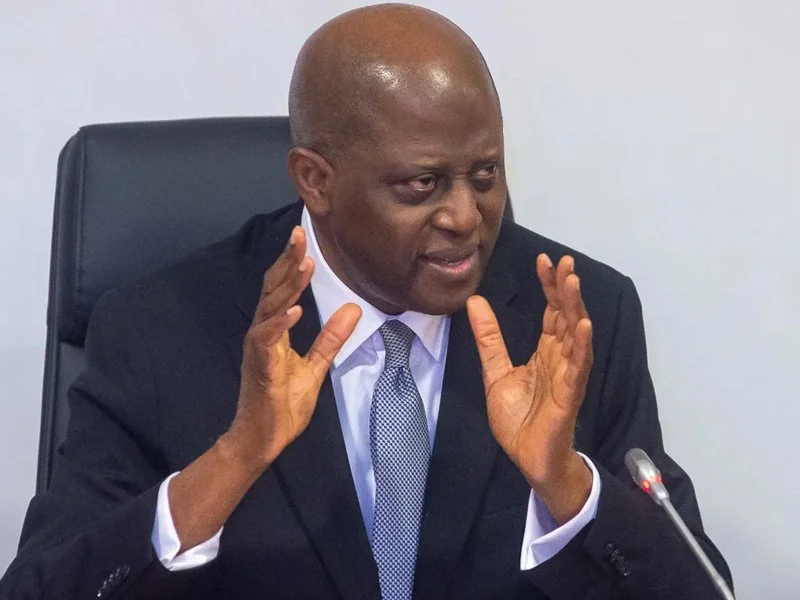
Nigeria’s Minister of Foreign Affairs, Yusuf Tuggar, has resigned from his position, with the Federal Government confirming the development on March 30, 2026. The resignation is linked to his intention to pursue the Bauchi State governorship ahead of the 2027 elections.
Resignation Confirmed by Government Officials
The resignation of Yusuf Tuggar was officially confirmed by the spokesperson of the Ministry of Foreign Affairs, who disclosed that the minister had stepped down from his role in the federal cabinet.
/ You Might Also Like /




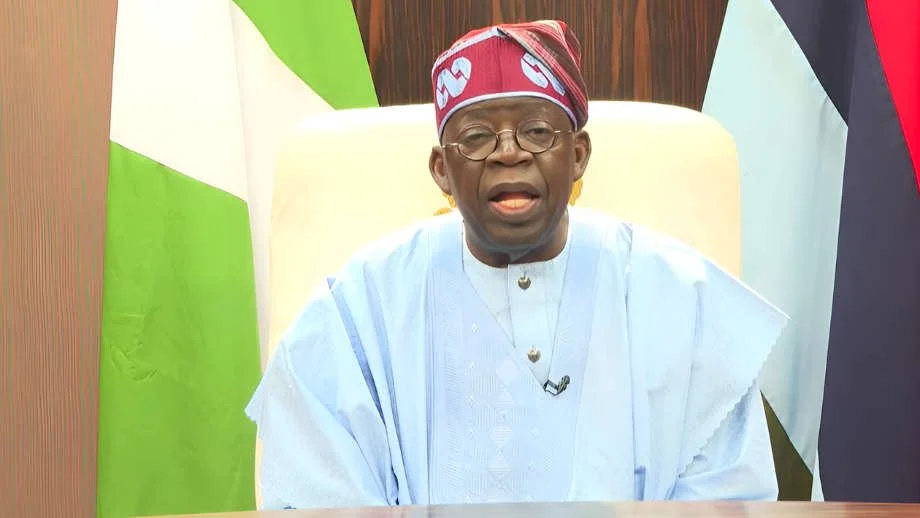
Tuggar served as Nigeria’s Foreign Affairs Minister under President Bola Tinubu’s administration, overseeing the country’s diplomatic engagements and foreign policy direction since his appointment in August 2023.
His exit marks a significant change within Nigeria’s foreign policy leadership at a time of evolving geopolitical and economic dynamics.
Move Linked to 2027 Governorship Ambition
Multiple reports indicate that Tuggar’s resignation is tied to his political ambition to contest the Bauchi State governorship election scheduled for 2027.
The move aligns with a common trend in Nigerian politics, where federal cabinet members step down to pursue elective positions at the state level.
Analysts note that Bauchi State remains a politically strategic region in Nigeria’s North-East, making the governorship race a key contest in the upcoming electoral cycle.
Tenure and Diplomatic Role
During his tenure, Tuggar played a central role in advancing Nigeria’s foreign policy priorities, including strengthening bilateral relations, promoting economic diplomacy, and engaging in regional security cooperation.
He previously served as Nigeria’s Ambassador to Germany and was involved in key diplomatic initiatives, including international negotiations and regional partnerships.
As Foreign Affairs Minister, he also contributed to Nigeria’s engagement with global partners on issues such as trade, security, and multilateral cooperation.
Implications for Nigeria’s Foreign Policy
Tuggar’s resignation introduces a transition phase within Nigeria’s foreign policy leadership.
For policymakers, the immediate priority will be ensuring continuity in diplomatic engagements and maintaining Nigeria’s strategic relationships across Africa and globally.
From an investor and international relations perspective, stability within the Ministry of Foreign Affairs remains critical, particularly as Nigeria seeks to attract foreign investment and strengthen economic partnerships.
The Federal Government is expected to announce a replacement or interim arrangement in the coming days.
The resignation of Yusuf Tuggar as Nigeria’s Foreign Affairs Minister marks a significant political and administrative development. His decision to pursue the Bauchi governorship reflects the intersection of national leadership and state-level political ambitions.
The transition will test the continuity of Nigeria’s foreign policy execution, with stakeholders closely monitoring the government’s next steps in maintaining diplomatic stability and strategic direction.
READ MORE