Nigeria’s Real Estate Market Projected to Reach $40bn by 2030 Amid Rising Housing Demand
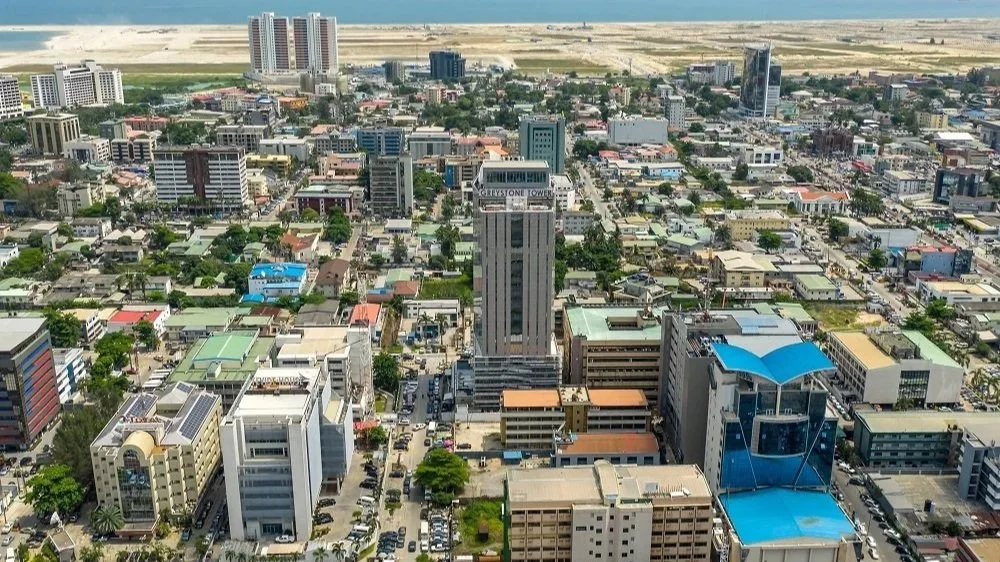
Nigeria’s real estate market targets $40bn by 2030
Nigeria’s real estate market is projected to reach about $40 billion by 2030, reflecting growing demand for housing and property as population growth and urbanisation continue to expand the country’s built environment.
/ You Might Also Like /




Nigeria’s real estate market is projected to reach about $40 billion by 2030, up from an estimated $29.2 billion in 2024, as population growth and urbanisation continue to drive demand for residential, commercial and other property assets.
Urbanisation continues to drive property demand
Nigeria’s expanding urban population remains one of the strongest drivers of real estate demand.
Major cities including Lagos, Abuja, Port Harcourt, Ibadan and Kano continue to attract residents and economic activity, increasing demand for housing, commercial buildings, retail space and industrial property.
As urban areas expand, developers are increasingly looking towards new growth corridors where land remains relatively available and infrastructure development is opening up previously underserved locations.
However, rising demand does not automatically translate into affordable housing. Property prices in many urban centres have continued to rise alongside land and construction costs, putting formal housing beyond the reach of many households.
Housing affordability remains a major challenge
The projected growth of the real estate market comes against a backdrop of persistent housing affordability challenges.
High land acquisition costs, elevated building-material prices, labour costs and limited access to affordable mortgage finance continue to increase the cost of delivering and purchasing homes.
For households, income growth has not always kept pace with property prices and rents. This has contributed to growing demand for rental accommodation and increased pressure on households in major urban markets.
The market could therefore expand significantly in monetary terms without necessarily producing a proportional improvement in housing access.
Mortgage finance could determine the pace of housing growth
Access to long-term housing finance remains critical to translating property demand into actual homeownership.
Nigeria's mortgage market remains relatively shallow compared with the size of the country's housing needs. High interest rates, strict eligibility requirements and limited long-term funding have constrained mortgage uptake.
Recent efforts to increase institutional participation in housing finance could help address this gap.
The MOFI Real Estate Investment Fund, for instance, has been expanding its mortgage portfolio as part of broader efforts to mobilise long-term capital for housing finance.
A deeper mortgage market would increase the purchasing power of households and provide developers with a larger pool of qualified buyers.
Infrastructure will influence emerging property corridors
Infrastructure development will also determine where future real estate growth occurs.
Roads, electricity, water supply, drainage, public transport and other essential services influence both the value and viability of property developments.
Areas that receive improved infrastructure can become more attractive to developers and investors as accessibility improves and development costs become more predictable.
For policymakers, this makes coordinated infrastructure and land-use planning increasingly important as Nigerian cities expand.
Housing developments without adequate roads, drainage, electricity and water infrastructure can create additional pressure on already stretched urban systems.
Construction costs threaten affordability
The cost of producing new housing remains another major challenge.
Developers continue to contend with high prices for cement, steel, imported materials, labour and land. These costs are ultimately reflected in the prices of completed properties.
Higher construction costs can also reduce the number of projects developers are able to undertake, particularly in the affordable housing segment where profit margins are narrower.
This creates a policy challenge: while Nigeria needs significantly more housing supply, the cost of delivering new homes can make them unaffordable to the households that need them most.
Real estate investment opportunities are expanding
Despite these challenges, the projected market growth could create opportunities across several property segments.
Residential property is likely to remain a major source of demand, particularly in rapidly expanding urban centres.
Commercial, industrial and logistics properties could also benefit from population growth, business expansion and changing consumption patterns.
Institutional investment vehicles such as real estate investment trusts could provide additional opportunities for investors seeking exposure to the property market without directly owning individual properties.
However, investors will need to assess individual markets based on infrastructure, demand, rental yields, regulatory conditions and affordability rather than relying solely on headline market-growth projections.
Market growth must translate into housing supply
For policymakers, the most important question is whether the projected expansion of the real estate sector will result in more accessible housing.
A larger property market does not necessarily mean that housing becomes more affordable. If property prices and rents rise faster than household incomes, market growth can coexist with worsening housing pressure.
The sector therefore needs greater alignment between investment, housing finance and actual housing delivery.
Increasing the supply of serviced land, improving title registration, expanding mortgage finance and reducing unnecessary construction costs could help ensure that real estate growth translates into additional housing supply.
Stronger land administration remains important
Efficient land administration will also play an important role in supporting the sector's projected expansion.
Lengthy title-registration processes, unclear ownership records and disputes over land can increase development timelines and project costs.
Improved land administration could reduce transaction risks, make property easier to use as collateral and improve investor confidence.
For developers, clearer land rights would also make it easier to plan projects and secure financing.
Outlook
Nigeria's real estate market is projected to reach about $40 billion by 2030, highlighting the scale of opportunity created by population growth, urbanisation and rising demand for property.
However, the sector's long-term performance will depend on whether market expansion is accompanied by improvements in housing affordability, infrastructure, mortgage finance and construction efficiency.
For investors and developers, the growth outlook presents opportunities across residential, commercial and industrial property. For policymakers, the priority will be ensuring that rising investment and property values translate into greater housing supply and better-serviced communities.
The key measure of success will therefore not be the size of the market alone, but whether its projected growth helps close Nigeria's housing gap and supports more sustainable urban development.
READ MORE