World Bank Praises Nigeria’s Economic Progress as Private Capital Inflows Approach $6bn
Nigeria’s $6bn Investment Surge Puts Infrastructure Funding in Focus
The World Bank Group President, Ajay Banga, has commended Nigeria as private capital inflows rose from $300 million in 2023 to nearly $6 billion in 2026, highlighting the country’s reported progress in attracting investment amid ongoing economic reforms.
/ You Might Also Like /




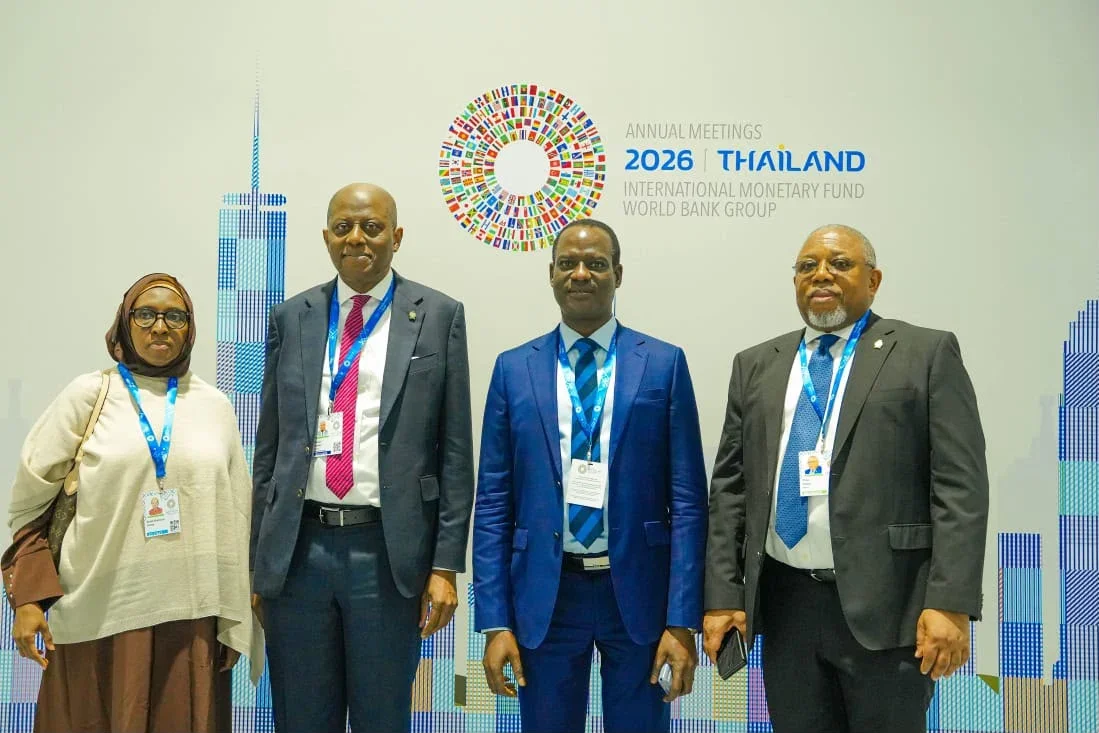
Banga gave the commendation during a meeting with the Minister of Finance and Coordinating Minister of the Economy, Taiwo Oyedele, and Central Bank of Nigeria Governor, Olayemi Cardoso, in Bangkok on Monday, on the sidelines of the 2026 International Monetary Fund and World Bank Group Annual Meetings.
The meeting also explored ways Nigeria could leverage World Bank guarantee instruments to unlock infrastructure financing and attract additional private capital into the domestic economy.
World Bank Highlights Nigeria’s Reform Progress
Discussions focused on translating macroeconomic stability into faster economic growth, increased private investment and stronger domestic revenue generation.
Oyedele highlighted Nigeria’s improving economic growth and disclosed that the country’s tax-to-GDP ratio had increased from about 7 per cent to 12.5 per cent.
He said the improvement had strengthened the government’s capacity to finance public investment without resorting to deficit monetisation.
The minister identified power infrastructure and human capital development as priority areas requiring sustained public investment to improve business competitiveness, productivity and job creation.
He added that the engagement formed part of the Federal Government’s broader efforts to consolidate reform gains and attract fresh investment through partnerships with development institutions.
Infrastructure Financing Could Support Housing Development
The discussions on unlocking infrastructure financing are relevant to Nigeria’s housing and real estate sector, where inadequate infrastructure continues to affect development costs, investment decisions and the delivery of residential projects.
Poor road networks, unreliable electricity, limited water supply and insufficient drainage can increase the cost of developing housing estates and providing essential services. Developers may have to absorb these expenses or pass them on to buyers and tenants, adding to affordability pressures.
The use of World Bank guarantee instruments to attract private investment could create opportunities to finance eligible infrastructure projects that support residential development. Improved infrastructure could make more locations viable for housing projects and reduce some of the additional costs associated with poorly serviced areas.
However, the reported capital inflows are not a dedicated housing investment allocation. Their impact on housing delivery will depend on where the investment goes and whether infrastructure financing reaches areas with significant housing needs.
Public Investment Remains Important
Nigeria’s focus on power infrastructure and human capital development also has implications for the wider property market. Reliable electricity and essential public services can improve the operating environment for businesses, strengthen the attractiveness of residential locations and support more sustainable urban development.
Private capital can supplement public funding, but infrastructure projects also require effective planning, transparent implementation and coordination between government agencies and private investors.
The emphasis on public spending efficiency is therefore significant. For investment to deliver lasting benefits, funding must translate into completed projects that improve productivity, expand access to essential services and support economic activity.
Housing Gains Will Depend on Investment Outcomes
Nigeria’s rising private capital inflows signal increased investment activity, while the World Bank’s commendation places the country’s reform progress in focus. For the housing sector, the central issue is whether this momentum can help address the infrastructure and financing constraints that limit residential development.
If public investment and private financing support essential infrastructure, they could improve development conditions and create opportunities for housing delivery. However, higher capital inflows alone will not guarantee more affordable homes without suitable financing, effective project implementation and investment that responds to housing demand.
READ MORE