Fuel Price Hike: FG Promises Relief as Global Energy Costs Pressure Nigerians
Rising fuel prices continue to put pressure on Nigerian households and businesses
The Federal Government has defended rising fuel prices as a global energy challenge, pledging to protect Nigerians from the effects of higher costs while maintaining its economic reform programme.
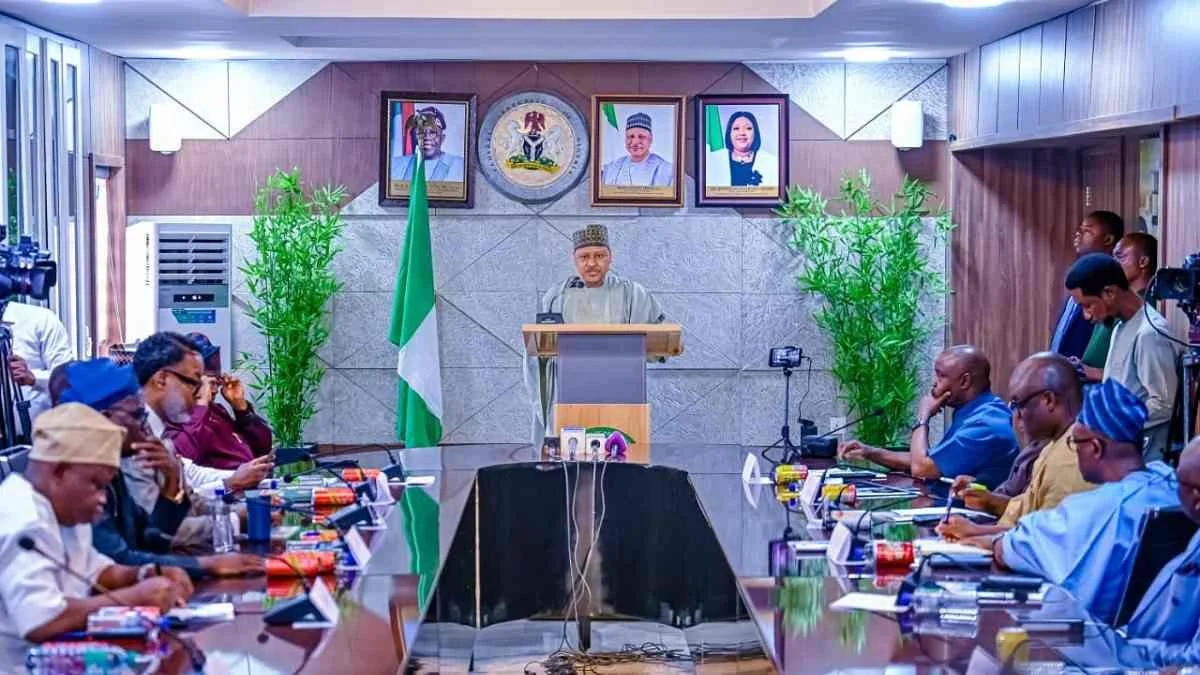
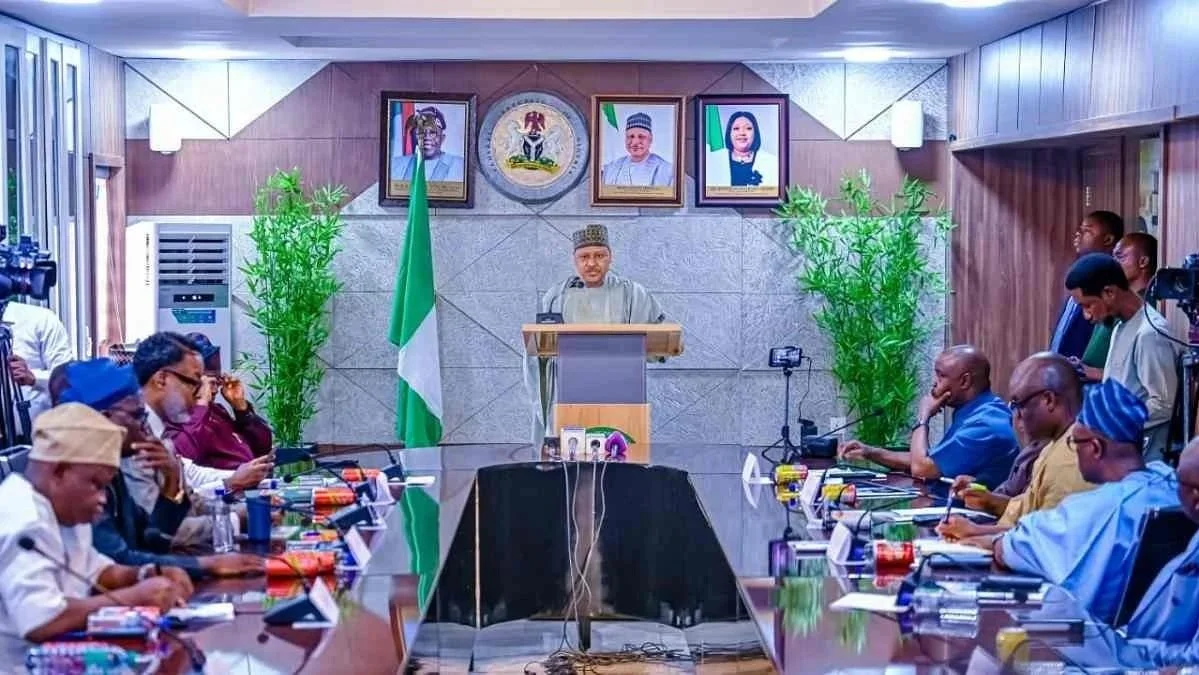
The Minister of Information and National Orientation, Mohammed Idris, made the remarks on Monday during a media engagement with senior editors and journalists in Abuja. He said the government remained aware of the pressure rising energy costs were placing on households, businesses and the wider economy, while pursuing measures to improve affordability and living conditions.
/ You Might Also Like /




FG Cites Global Pressures Behind Rising Energy Costs
Idris said rising energy costs had become a global challenge, with governments adopting different approaches to protect their economies and cushion the effects on citizens.
He maintained that President Bola Tinubu remained committed to economic reforms while prioritising Nigerians’ welfare. According to the minister, the government is working to consolidate reform gains, expand affordable energy alternatives and strengthen domestic production to support more sustainable reductions in living costs.
He added that the administration wanted economic recovery to translate into improved purchasing power, greater affordability and better living conditions.
The government’s position comes as higher fuel costs continue to place pressure on household budgets and business operating expenses. Fuel prices affect transport fares and the cost of moving goods, with implications for food prices, distribution costs and the prices of goods and services across the economy.
Government Seeks to Improve Affordability
Idris said the administration was pursuing a broader programme of economic and social reforms intended to support sustained growth and improve living standards.
He identified economic reforms, food security, energy development, infrastructure and transportation as key priorities under the administration’s presidential agenda. Other priorities include education, healthcare, social investment, industrialisation, digitisation and innovation.
The minister described the priorities as interconnected, arguing that progress across these areas would contribute to national development.
However, the statement did not announce a new, specific nationwide reduction in petrol prices. Instead, it outlined the government’s broader commitment to expanding affordable energy alternatives, strengthening domestic production and improving economic conditions.
The extent to which these efforts ease the immediate burden on consumers will depend on their implementation and their effect on the cost of energy and other essential goods and services.
Higher Fuel Costs Have Implications for Housing Affordability
Rising energy costs also affect Nigeria’s housing market through construction, transportation and property operating expenses.
Developers rely on fuel-powered machinery, generators and transport services to move building materials and workers to construction sites. When fuel prices rise, these expenses can increase project costs, particularly where electricity supply is unreliable or construction materials travel long distances.
Landlords and property managers may also face higher costs for backup power and building maintenance. Households, meanwhile, must balance transport, electricity and other living expenses against rent, mortgage payments and the cost of maintaining a home.
These pressures can reduce the income available for housing and make it more difficult for households to save towards homeownership. For developers, higher operating and logistics costs can complicate efforts to deliver homes at affordable prices.
The government’s stated intention to expand affordable energy alternatives and strengthen domestic production is therefore relevant to the built environment. However, any sustained benefit to housing affordability will depend on whether these efforts reduce actual energy and operating costs for developers, landlords and residents.
FG Highlights Infrastructure and State-Level Responsibilities
Idris also highlighted the importance of infrastructure, public services and cooperation between the federal, state and local governments in improving living conditions.
He said the President had encouraged subnational governments to take greater responsibility for delivering services such as urban transport, education, primary healthcare and waste management.
The minister cited a World Bank report indicating that combined capital expenditure by Nigerian states increased by 151 per cent in real terms between 2023 and 2025. He said the spending covered areas including transportation, education, healthcare and social services.
For households facing rising living costs, the quality and accessibility of these public services can influence the overall cost of living. Reliable transport infrastructure, for example, can help reduce travel difficulties, while effective urban services can improve the quality and functionality of residential neighbourhoods.
Idris urged the media to hold all three tiers of government accountable for their respective responsibilities.
Relief Will Depend on Implementation
The Federal Government’s response frames rising fuel prices within a wider global energy challenge while reaffirming its commitment to economic reforms and improved living standards.
For households and businesses, the immediate concern remains how higher energy costs affect transport, essential goods, operating expenses and disposable income. In the housing sector, these pressures can feed into construction costs and reduce the money available for rent or homeownership.
The government has pledged to improve affordability through its broader economic programme, but the practical impact will depend on how effectively its stated priorities translate into lower cost pressures and improved access to essential services.
READ MORE