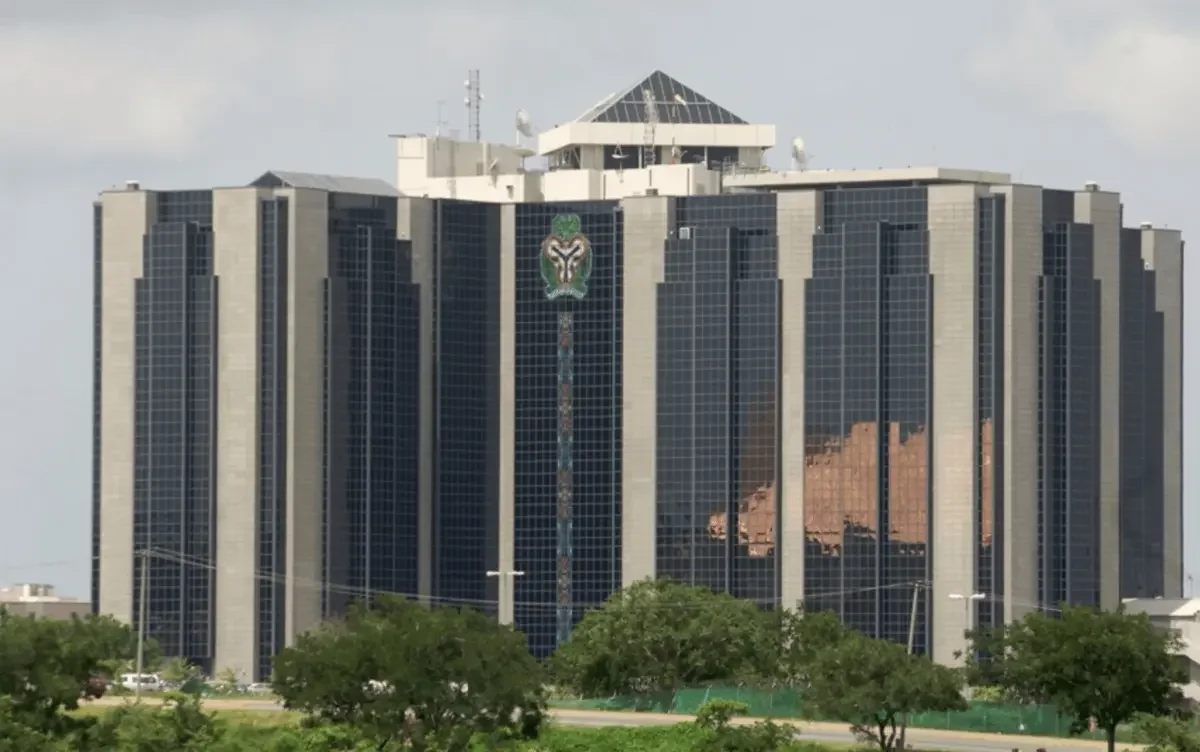
Wike, Japan Partner to Update Abuja Master Plan for 2050
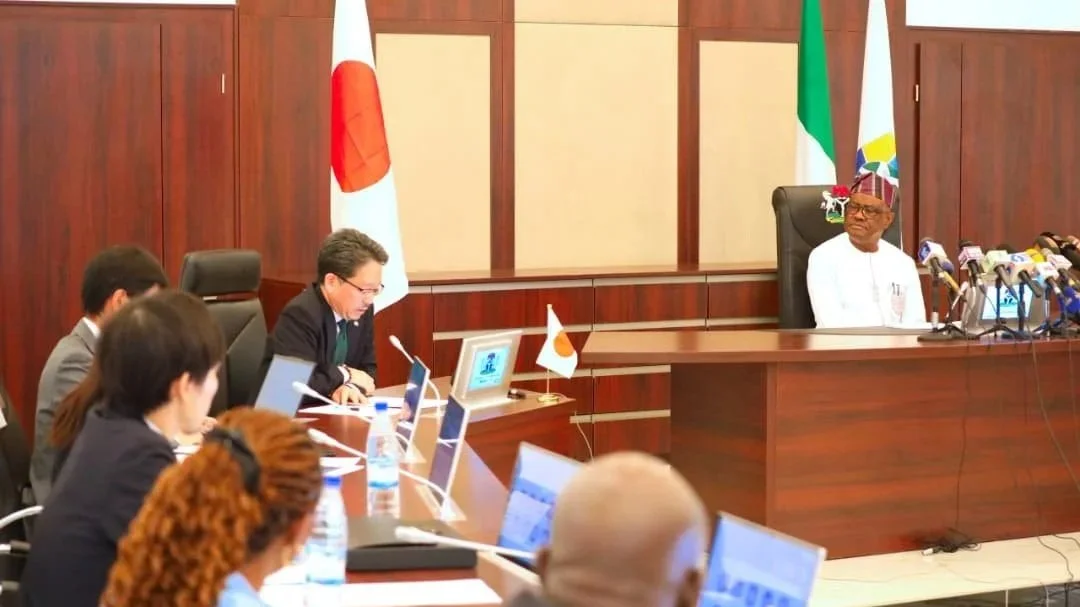
FCT Partners Japan to Align Abuja Development with 2050 Vision
The Minister of the Federal Capital Territory, Nyesom Wike, has announced a strategic partnership with Japan to update Abuja’s master plan, aligning the capital city’s development framework with projected needs through 2050. The initiative forms part of broader efforts to modernise infrastructure, improve urban planning, and support long-term economic growth.
Modernising a 1979 Urban Blueprint
The Abuja Master Plan, originally developed in 1979, serves as the foundational blueprint guiding the city’s growth and infrastructure layout. Authorities now seek to revise the plan to reflect current realities, including rapid population expansion, economic transformation, and climate-related challenges.
Speaking during a meeting with the Japanese Ambassador to Nigeria and representatives of the Japan International Cooperation Agency (JICA), Wike emphasised the importance of the review in shaping Abuja’s long-term development trajectory.
/ You Might Also Like /




Japan’s Role in Technical and Infrastructure Support
Japan, through JICA, is providing technical expertise to support the upgrade of the master plan. The collaboration focuses on infrastructure expansion, economic development, and climate resilience, positioning Abuja for sustainable urban growth over the next two decades.
Japanese officials reaffirmed their commitment to Nigeria’s development, highlighting ongoing interventions across key sectors, including water, power, health, and education. The partnership builds on longstanding bilateral cooperation between both countries.
Strategic Focus Areas
The revised master plan is expected to prioritise:
Expansion of critical urban infrastructure
Improved city planning and land use management
Climate-resilient development frameworks
Enhanced economic and investment opportunities
Wike also identified agriculture and urban development as key sectors for further collaboration, aligning the initiative with the Federal Government’s broader economic agenda.
Addressing Rapid Urban Growth
Abuja remains one of Africa’s fastest-growing cities, driven by population inflows and its status as Nigeria’s administrative hub. This rapid expansion has increased pressure on infrastructure, housing, and public services.
Updating the master plan is therefore seen as a critical step in managing urban growth, preventing unplanned development, and improving overall livability in the capital.
Implications for Urban Development and Investment
For investors and policymakers, the initiative signals a renewed focus on structured urban development in the FCT. A modernised master plan is expected to improve regulatory clarity, attract infrastructure investment, and enhance Abuja’s competitiveness as a regional administrative and economic centre.
The involvement of Japan also introduces global best practices in city planning and project execution, which could strengthen implementation outcomes.
Outlook
The planned update of Abuja’s master plan represents a significant policy shift toward long-term, data-driven urban planning.
Successful execution will depend on sustained collaboration, institutional coordination, and effective implementation of proposed reforms. If achieved, the initiative could redefine Abuja’s growth trajectory and serve as a model for urban planning across Nigeria.
READ MORE