EU Plans New Funding to Support Nigerian, African Artists and Creative Economy
EU backs Nigeria’s creative sector through new cultural funding plans
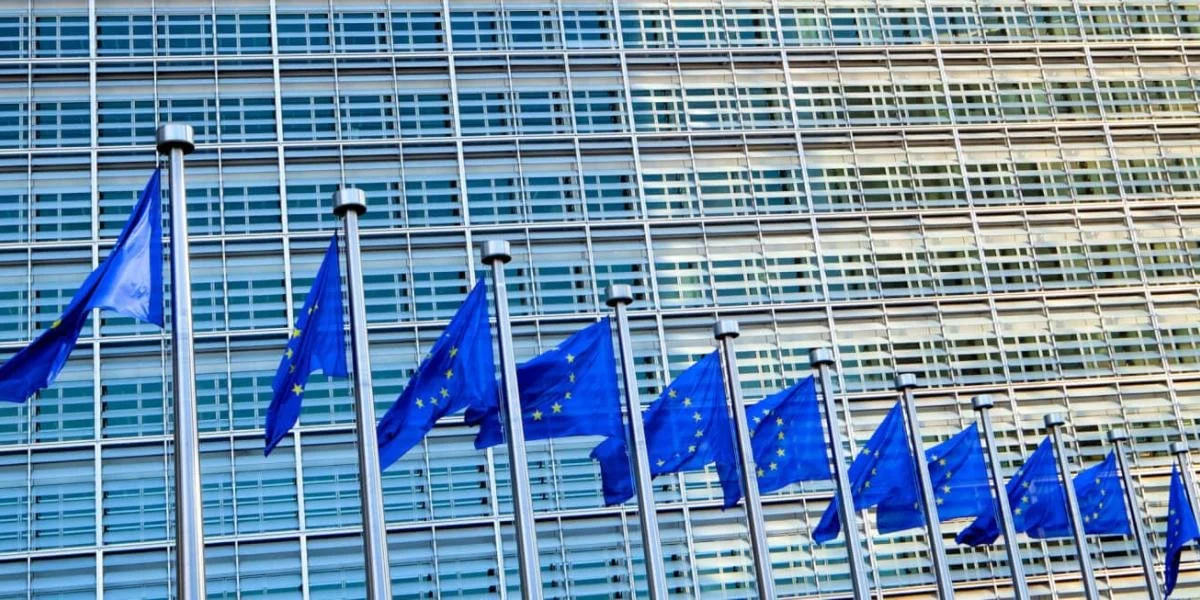
The European Union is developing new funding opportunities and cooperation projects to support artists, cultural events and the creative economy across Nigeria and Africa, as it seeks to deepen collaboration between African and European creative industries.
/ You Might Also Like /




EU Ambassador to Nigeria and ECOWAS, Gautier Mignot, disclosed the plans during the maiden Lagos Contemporary Circus Festival at the National Theatre in Lagos, where he called for increased investment in culture and the arts.
The announcement comes as the EU continues to expand its Africa-Europe cultural partnerships, with existing programmes supporting artistic collaboration, skills development, audiovisual production and income generation across the continent.
EU Expands Support for Nigeria’s Creative Sector
Mignot said the EU was working on new projects that would empower artists across Africa while creating more opportunities for collaboration between European and African creatives.
The ambassador said the EU had already supported the Kano Creative Summit organised by the National Theatre and was partnering with film festivals across Nigeria.
The bloc is also expected to support the Lagos Biennial of Contemporary Art scheduled for November.
The new initiatives are expected to include co-creations, training and workshops involving artists from Africa and Europe, strengthening professional networks and opportunities within the creative sector.
Lagos Contemporary Circus Festival Highlights Cultural Investment
The funding announcement was made at the first Lagos Contemporary Circus Festival, organised by the National Theatre with EU sponsorship under the theme “Circus in Motion”.
The festival brought together artists from Nigeria, Ethiopia, Côte d’Ivoire and Switzerland, with performances incorporating dance, movement, acrobatics, sport and physical performance.
National Theatre General Manager and Chief Executive Officer, Tola Akerele, said contemporary circus could create opportunities for Nigerian artists to develop their skills while creating original stories and performances.
Mignot described the festival as an example of the potential of international cultural partnerships and expressed hope that it would attract additional sponsors and develop into a regular platform for international artists.
EU’s Africa-Europe Cultural Programme
The latest announcement builds on the EU’s broader Africa-Europe Partnerships for Culture programme, which covers cultural cooperation between Europe and Sub-Saharan Africa.
The programme has a total investment of more than €70 million and runs from 2025 to 2030. Its areas of focus include cultural cooperation, heritage, audiovisual production, skills development and initiatives designed to generate employment and income within the cultural and creative sectors.
One of its flagship initiatives, Africa-Europe Partnerships for Culture, has a €30 million allocation for cultural relations, co-creation and exchanges between African and European stakeholders.
The programme also includes a €16.5 million Africa-Europe Audiovisual Partnerships initiative and other programmes targeting museums, performing arts, music and creative-sector employment.
Creative Economy Creates Wider Urban Opportunities
In Nigeria, increased investment in cultural activities can have implications beyond artists and creative organisations.
Major cultural venues, festivals and creative events generate demand for event spaces, hospitality, transport, retail and other urban services around their locations.
For Lagos, continued investment in institutions such as the National Theatre and cultural festivals can contribute to the wider development and utilisation of urban commercial and cultural infrastructure.
The impact on real estate, however, will depend on the scale and continuity of investment, rather than the announcement of individual funding projects alone.
Funding Could Strengthen Creative-Sector Infrastructure
The EU's wider cultural programme also identifies limited access to finance, skills and international networks as constraints facing Africa's cultural and creative sectors.
Its programmes therefore combine funding with training, professional exchanges, co-production and market development.
For Nigeria's growing creative economy, sustained access to these forms of support could strengthen the ecosystem around cultural production while creating opportunities for new partnerships between local and international organisations.
Outlook
The EU's planned funding and cooperation projects signal continued European support for Nigeria's cultural and creative economy.
While the immediate beneficiaries will be artists, cultural organisations and creative professionals, the expansion of festivals, training programmes and international collaborations could also support demand for related urban services and cultural infrastructure.
The effectiveness of the initiative will ultimately depend on how the proposed funding is structured, which Nigerian organisations and artists gain access to it, and whether the programmes generate sustainable commercial and professional opportunities beyond individual events.
READ MORE